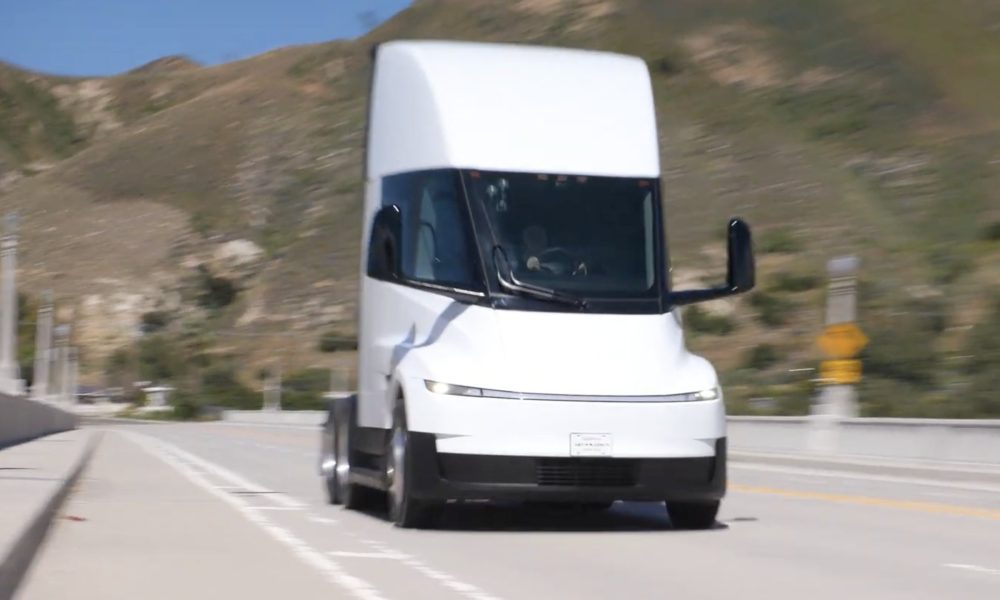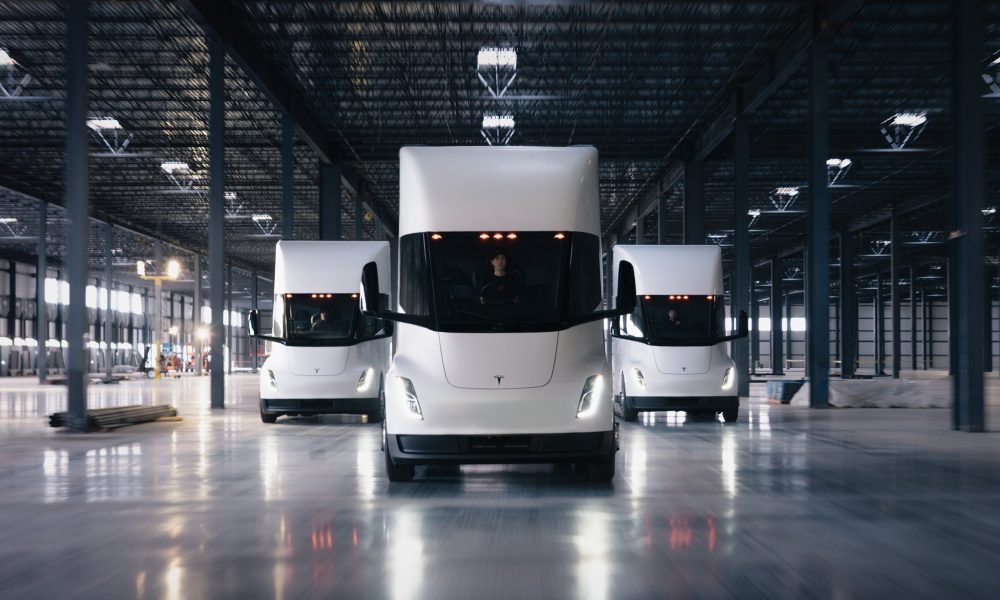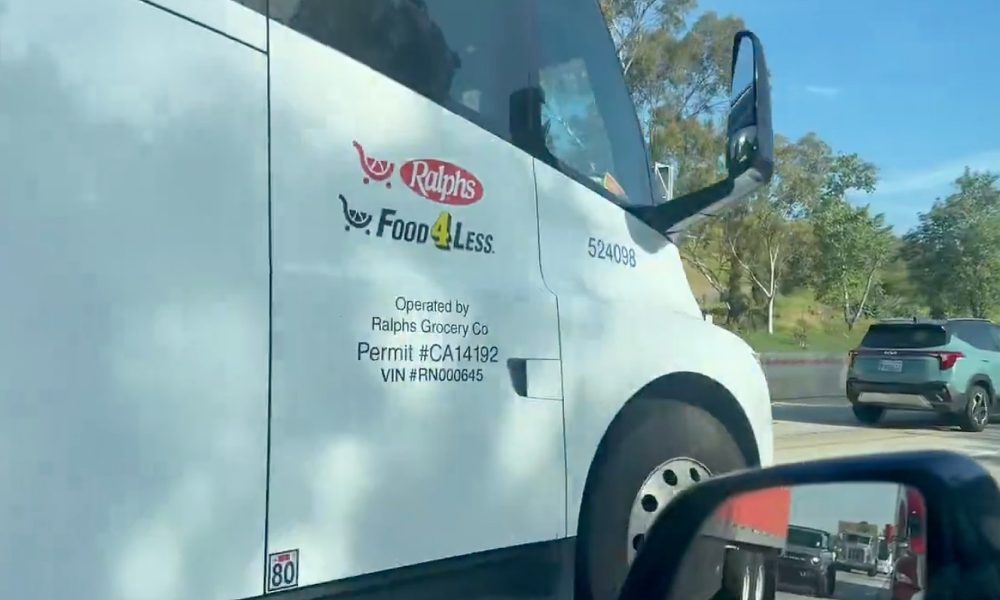
The electric trucking revolution is no longer a concept confined to investor presentations; it's rolling down America's highways, and its latest high-profile ambassador is turning heads. Kroger-owned grocery chain Ralphs has officially integrated the Tesla Semi into its Southern California distribution fleet, a move that provides more than just logistical benefits—it offers powerful, public validation. This deployment by a trusted household name acts as a critical case study, demonstrating to a cautious industry that heavy-duty electric transport is not just viable but advantageous for demanding, real-world operations.
A Grocery Giant's Vote of Confidence
Ralphs is not merely testing the waters; it is deploying the Semi for regular, revenue-generating routes between its distribution center and retail stores. This practical application underscores a significant shift. The chain is leveraging the Semi's touted benefits—including lower energy costs per mile and reduced maintenance—within the high-frequency, short-to-medium haul logistics that define grocery supply chains. For competitors and peers, the message is clear: if a fleet with the razor-thin margins and relentless schedules of grocery can make the EV transition work, so can others. The public visibility of these sleek, silent giants on familiar roads does more than any advertisement could to normalize electric freight.
The Ripple Effect Across the Industry
This adoption creates immediate pressure on other major players. Albertsons, which placed a reservation for the Tesla Semi years ago, now has a direct competitor proving the concept daily. For all chains publicly committed to ambitious ESG (Environmental, Social, and Governance) targets, the Ralphs deployment provides a tangible path forward. The "wait-and-see" approach becomes increasingly difficult to justify when a rival is already capturing the operational savings and sustainability accolades. Furthermore, it validates Tesla's core argument for the Semi: that its total cost of ownership and performance can surpass that of traditional diesel trucks in specific, high-utilization scenarios.
The strategic importance for Tesla cannot be overstated. Every successful deployment chips away at the entrenched skepticism surrounding electric vehicle capabilities in heavy industry. It provides hard data on reliability, energy consumption, and uptime that Tesla can use to accelerate sales conversations. As more fleets like Ralphs come online, they collectively build a compelling network effect, proving infrastructure is developing, service models are solidifying, and the business case is closing.
Implications for Tesla and the EV Ecosystem
For Tesla investors, the Ralphs news is a positive signal of the Semi program's transition from prototype to production phase, albeit a gradual one. It demonstrates market demand beyond Tesla's own internal logistics and PepsiCo's pioneering fleet. For Tesla owners and enthusiasts, it's a broader affirmation of the company's mission to accelerate sustainable transport across all vehicle segments. The success of the Semi also indirectly supports the broader charging infrastructure, particularly the Megacharger network, which will benefit all future Tesla commercial products. As more major fleets commit, the entire ecosystem of renewable energy integration and freight electrification gains momentum, solidifying Tesla's potential leadership in another transformative market.