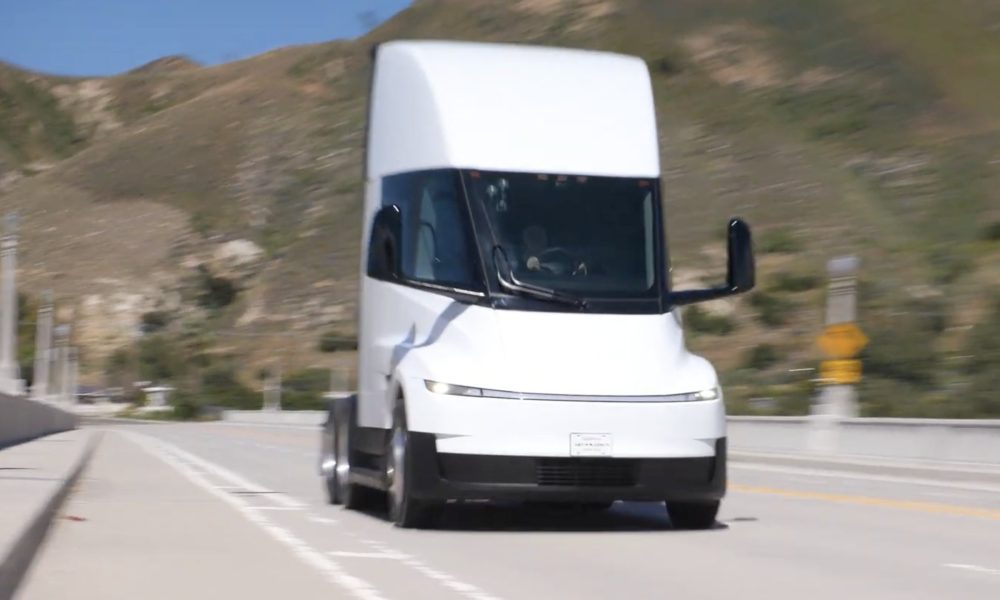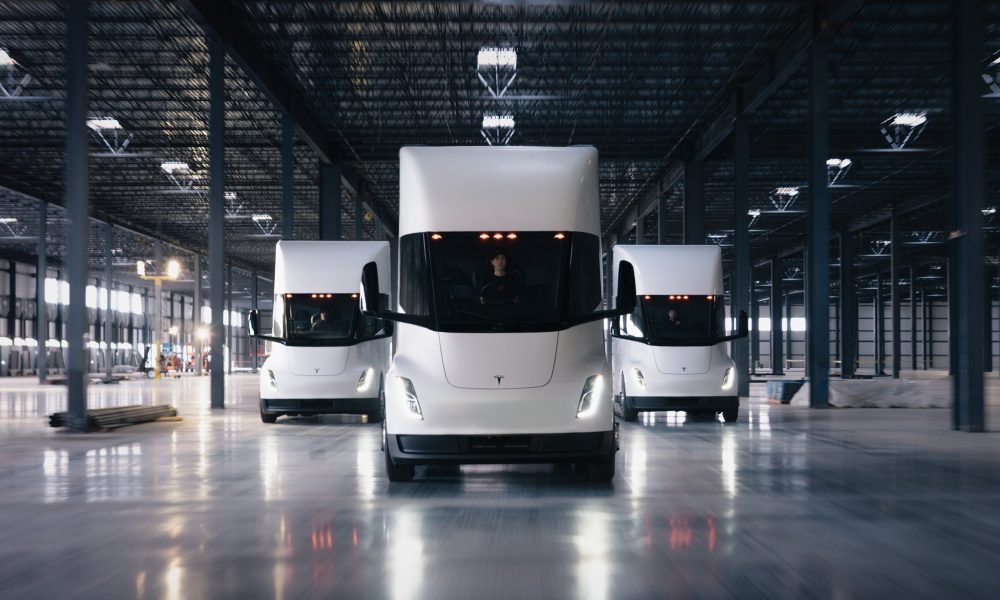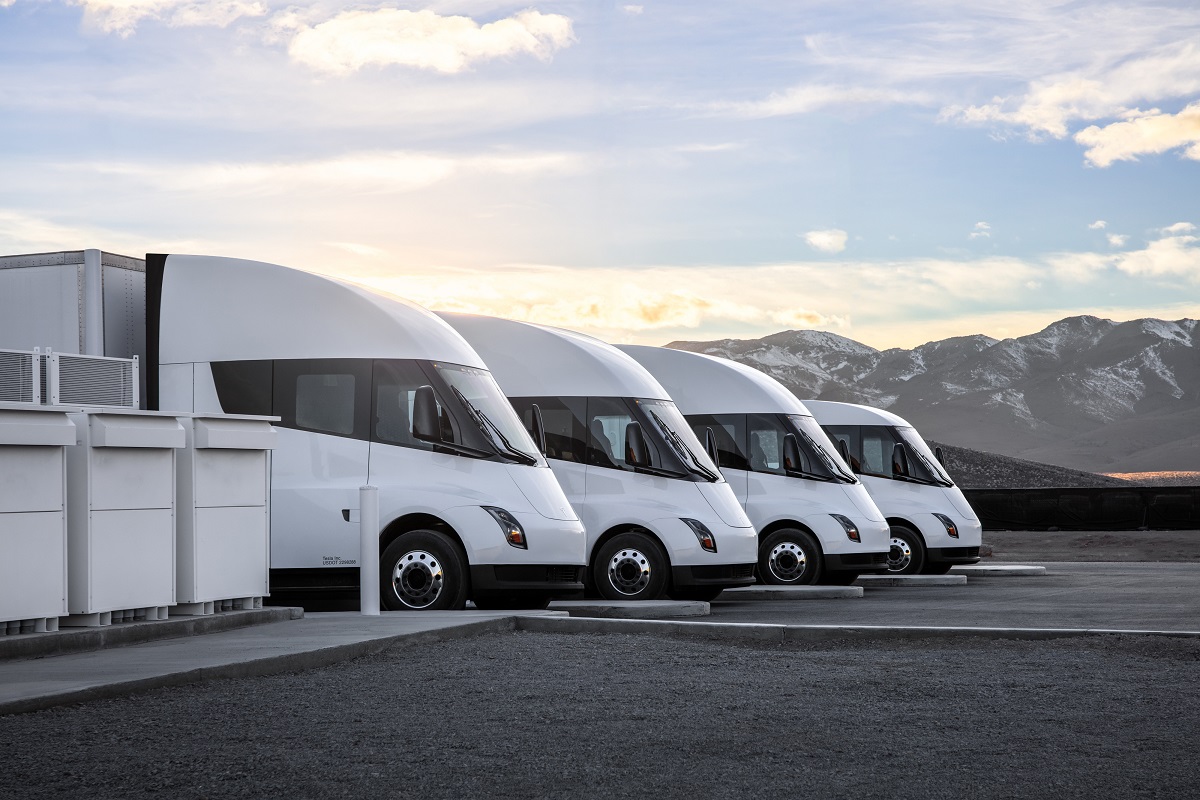
For decades, the image of the long-haul trucker has been synonymous with roaring diesel engines, cramped cabins, and the relentless vibration of the open road. That iconic, gritty experience is now being fundamentally rewritten by an unlikely protagonist: the Tesla Semi. Moving beyond mere prototypes and into the hands of major fleet operators, this all-electric behemoth is not just meeting expectations—it is actively winning over the drivers themselves with a trifecta of superior comfort, impressive real-world range, and shocking performance that is reshaping perceptions of what a commercial truck can be.
Beyond the Hype: Real-World Driver Endorsements
While the Semi's specifications on paper are compelling, the most powerful testimonials are coming from the professionals behind the wheel. Drivers from pioneering fleets like PepsiCo and others report a transformative experience. The near-silent operation of the electric powertrain eliminates the constant auditory assault of a diesel, drastically reducing driver fatigue over long shifts. The instant, seamless torque delivery—a hallmark of Tesla's EV technology—makes maneuvering 80,000-pound loads feel unexpectedly effortless, especially in challenging conditions like steep mountain grades. This isn't just a cleaner truck; it's a demonstrably easier and more pleasant truck to drive, a factor that directly impacts driver retention and satisfaction in a tight labor market.
The Engineering Edge: Performance Meets Practicality
The Semi's advantages are rooted in deliberate, innovative engineering. Its central driving position and expansive glass cockpit provide unparalleled visibility, enhancing safety and reducing stress. The streamlined, aerodynamic design does more than just extend range; it creates a remarkably stable ride, free from the buffeting that plagues conventional boxy trailers. Critically, early real-world deployments are validating Tesla's bold range claims. Fleets are consistently achieving over 500 miles on a single charge with full loads, a milestone that squarely addresses the industry's most pressing range anxiety. Furthermore, the Semi's regenerative braking system not only recovers energy but also dramatically reduces wear on traditional brake pads, slashing maintenance costs and downtime.
Implications for Tesla and the EV Ecosystem
The successful adoption of the Tesla Semi extends far beyond the freight industry. For Tesla, it validates the company's core technology on its most demanding platform yet, proving the scalability and robustness of its electric powertrain and battery systems. This success builds immense credibility for Tesla's energy division, as the Semi's rollout is inextricably linked to the expansion of the Megacharger network, a new high-margin infrastructure business. For investors, the Semi represents a massive, untapped addressable market where Tesla can leverage its technological moat. For Tesla owners and EV advocates, the Semi's triumph is a powerful narrative tool, demonstrating that electric drivetrains are superior not just for passenger cars, but for the most grueling industrial tasks, accelerating the overall transition to sustainable transport.