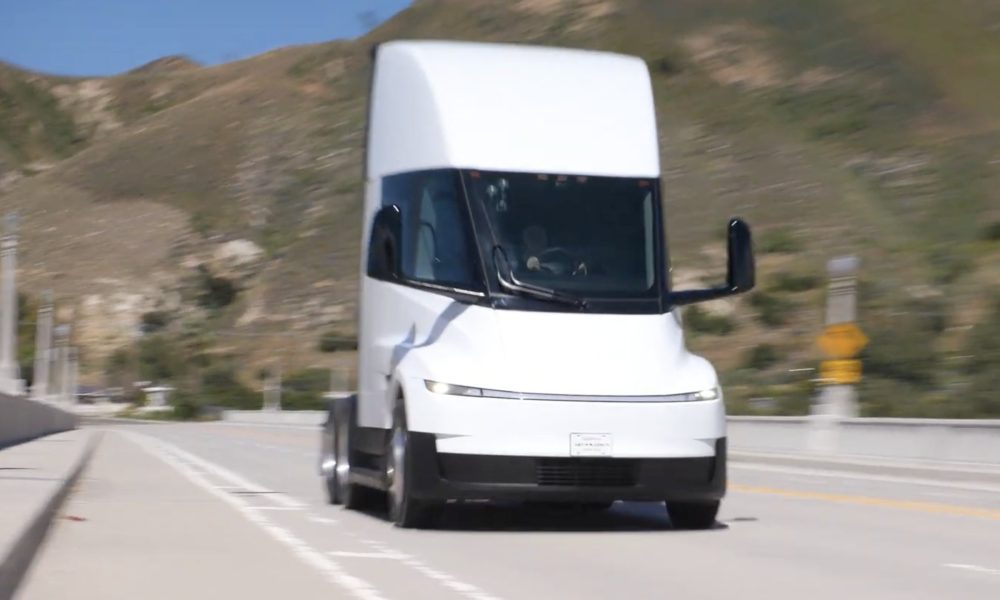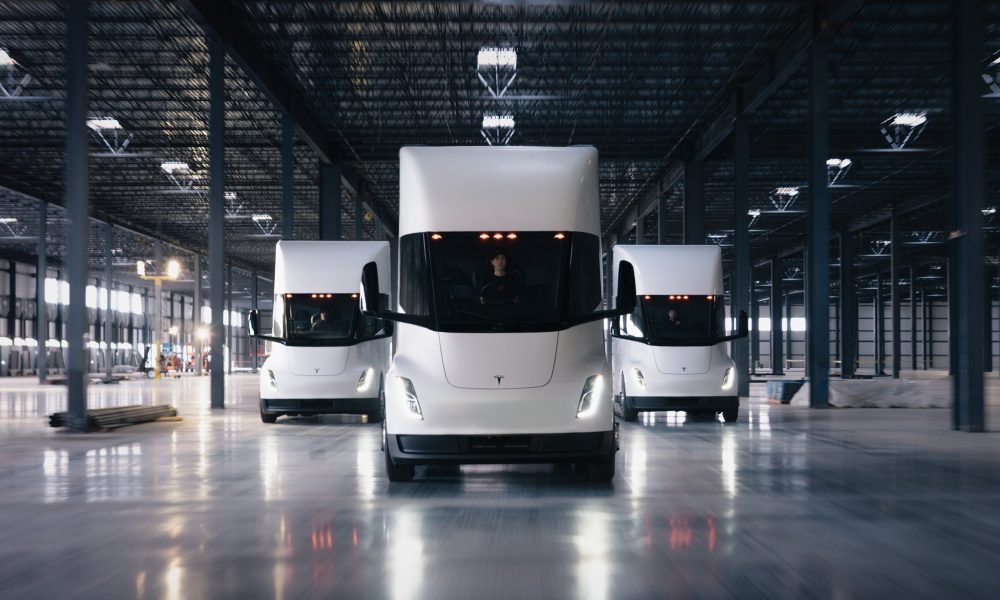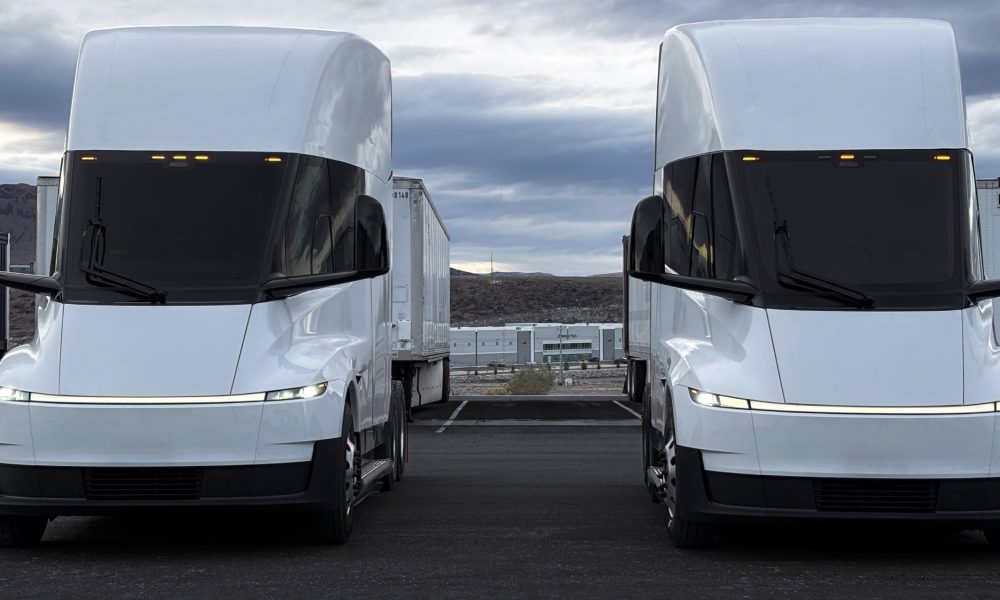
After years of anticipation and a prolonged development cycle, Tesla has finally pulled back the curtain on the official pricing structure for its revolutionary Tesla Semi truck. The revealed figures, tied to newly uncovered trim levels, confirm what industry observers long suspected: the final cost to commercial fleets will be significantly higher than the aspirational targets set nearly a decade ago. This pricing revelation marks a critical transition for the Semi from a visionary prototype to a tangible, orderable product facing the harsh realities of modern manufacturing and economics.
From 2017 Vision to 2024 Reality
When Elon Musk first unveiled the Tesla Semi in November 2017, the announced prices sent shockwaves through the freight industry. Tesla promised a 300-mile range model for $150,000 and a 500-mile variant for $180,000, with a Founders Series edition priced at $200,000. These figures positioned the electric truck as not just an environmental alternative, but a compelling economic one. However, the journey from prototype to production has been fraught with delays, supply chain crises, and rampant inflation, making those initial targets untenable. The new pricing reflects the substantial investments in proprietary technology like the Semi's 1,000-volt architecture and the real-world costs of bringing a ground-up Class 8 electric vehicle to market.
Analyzing the New Trim Level Economics
While Tesla has not issued a formal press release, information circulating from credible sources indicates a tiered system based on range and capability. The entry point is now expected to be substantially higher, with the standard range model likely approaching or exceeding $250,000. The long-range 500-mile version, crucial for demanding routes, could command a price well above $300,000. This positions the Tesla Semi as a premium product within the commercial vehicle space. The critical analysis for fleet managers shifts from upfront cost alone to a meticulous examination of the Total Cost of Ownership (TCO). Tesla's core argument remains that massive savings on diesel fuel, drastically reduced maintenance, and enhanced driver productivity will bridge the higher initial investment over the truck's operational life.
For Tesla investors and owners, the Semi's pricing is a double-edged sword. It demonstrates the company's commitment to its most ambitious vehicle program and its confidence in a superior TCO proposition for large-scale buyers like PepsiCo and UPS. Successful deployment and verified operational savings could unlock the massive fleet electrification market, creating a new, high-margin revenue stream. However, the elevated prices may slow adoption among smaller, cost-sensitive fleets and test the patience of investors awaiting the Semi's contribution to Tesla's bottom line. The coming quarters will be pivotal as delivery volumes scale and real-world financial data from early adopters either validates Tesla's TCO model or exposes new challenges in the arduous journey to decarbonize freight transport.