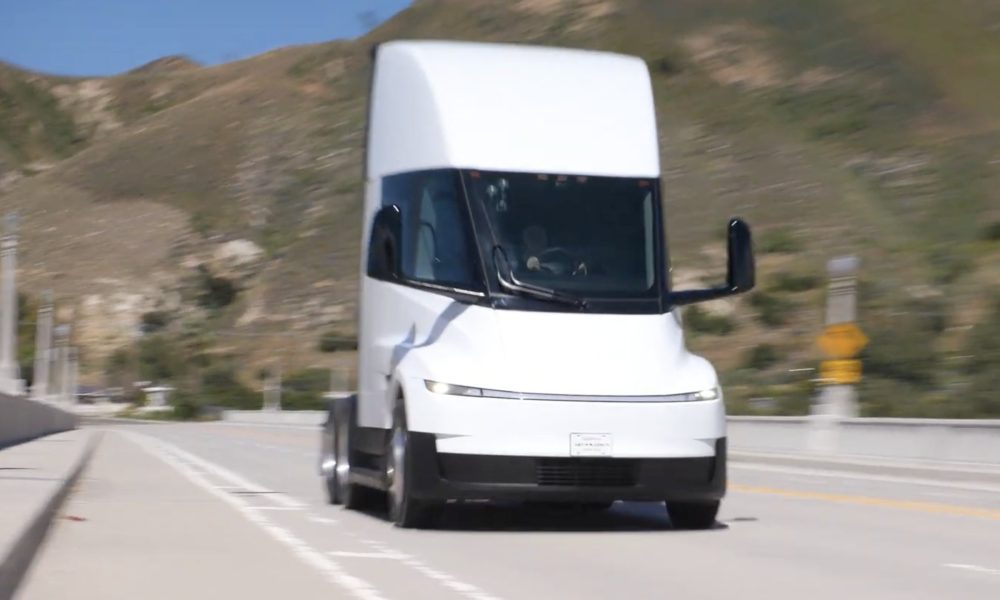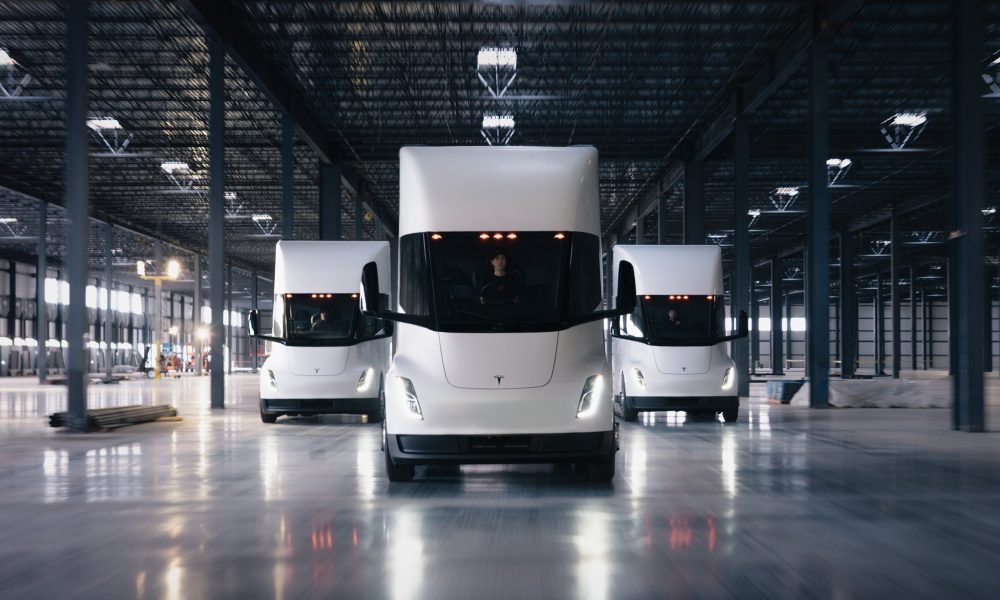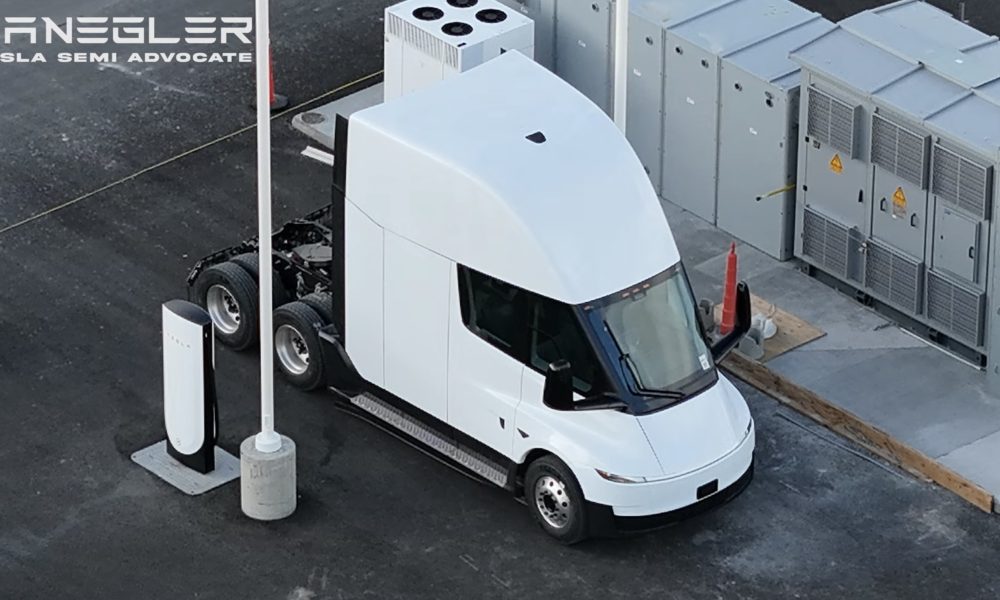
In a significant financial and strategic boost, the Tesla Semi has secured a preliminary allocation of $165 million in state incentives from California, signaling a major vote of confidence in the electric Class 8 truck as it gears up for mass production. This development, first reported by The Los Angeles Times, positions the long-haul EV not just as a technological marvel but as a state-backed pillar in the transition to zero-emission freight. The substantial funding underscores California's aggressive climate goals while providing Tesla with crucial leverage to scale its most ambitious commercial vehicle yet.
A Strategic Infusion from California's Clean Air Coffers
The incentive package originates from California's Hybrid and Zero-Emission Truck and Bus Voucher Incentive Project (HVIP), a cornerstone of the state's strategy to decarbonize its transportation sector. This preliminary allocation is not a direct grant but reserves funds specifically for Tesla Semi purchases, dramatically reducing the upfront cost for fleet operators. For context, the $165 million set-aside is a monumental figure within the HVIP framework, highlighting the program's expectation of robust demand. This move effectively de-risks early adoption for logistics companies, making the Semi's total cost of ownership argument even more compelling against its diesel counterparts.
Accelerating the Path to Volume Production
This financial backing arrives at a pivotal moment for the Tesla Semi program. After years of development and a delayed ramp, the incentive serves as both validation and a catalyst. It provides Tesla with a clearer demand signal as it reportedly prepares to expand production beyond the limited runs from its Nevada facility. The capital infusion for buyers indirectly supports Tesla's own manufacturing scale-up by ensuring a ready market. Analysts see this as a critical step to achieve the economies of scale necessary to make the Semi a profitable venture and to finally fulfill the backlog of orders from major corporations like PepsiCo, which has been running an early pilot fleet.
The implications for the broader electric trucking market are profound. California's aggressive incentive sets a high bar for other states and puts considerable pressure on competitors like Freightliner and Volvo Trucks, which are also developing their own zero-emission models. By substantially lowering the entry price, California is effectively using its market power to accelerate the entire industry's timeline. This creates a fertile proving ground for the Tesla Semi's real-world performance claims on range, charging speed, and durability, potentially setting the operational standard for North American electric freight.
For Tesla investors, the news is a strong positive indicator of the Semi's transition from a niche project to a future revenue stream. It mitigates one of the key risks—customer acquisition cost—in a capital-intensive new market. For fleet owners and operators, especially those with drayage and regional routes in California, the incentive transforms the Semi from a speculative purchase into a immediately more viable financial calculation. The state's backing, combined with Tesla's evolving Megacharger network, reduces both the upfront and operational uncertainties, paving the way for the first large-scale wave of electric freight adoption.