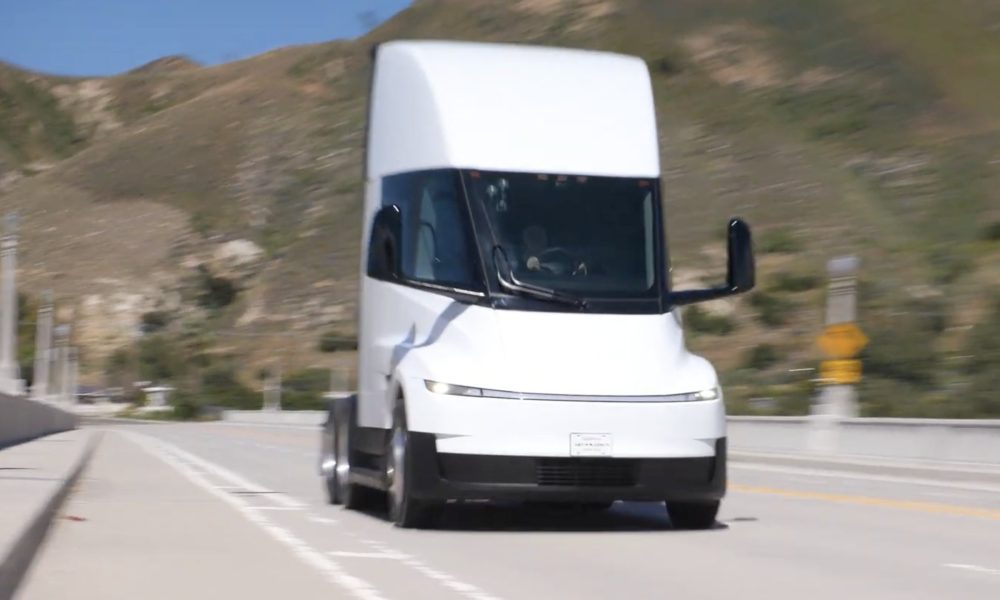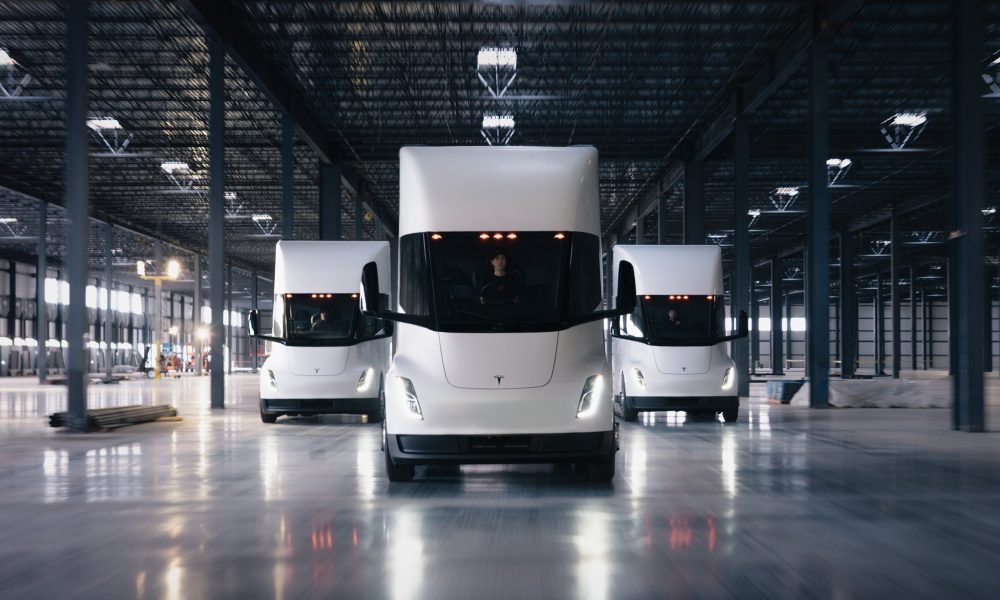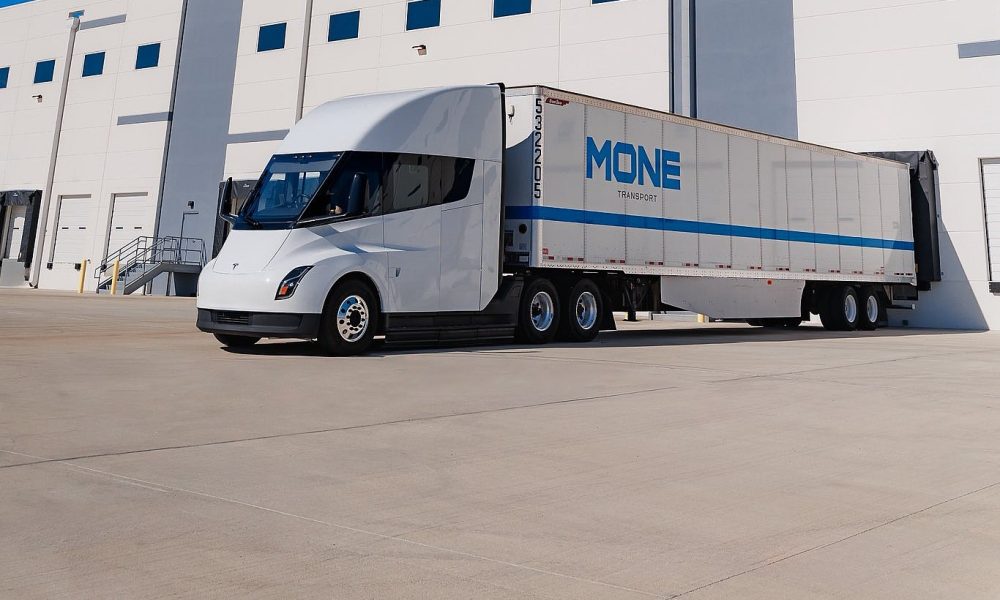
The quiet hum of electric propulsion is beginning to resonate through the freight corridors of Texas, as Tesla's long-haul disruptor, the Tesla Semi, takes another significant step toward commercialization. In a strategic expansion of its real-world pilot program, Tesla has partnered with a major Texas-based logistics firm, providing critical performance data that not only validates but exceeds the company's ambitious claims. This move signals a pivotal shift from controlled testing to operational integration within the demanding landscape of American logistics.
Texas-Sized Validation: Efficiency Numbers That Turn Heads
The partnership's most compelling revelation comes directly from the fleet's performance metrics. The logistics firm reported that its pilot Tesla Semi achieved a remarkable energy efficiency of 1.64 kWh per mile. This figure is crucial, as it undercuts Tesla's own published target of 1.7 kWh per mile. In the world of freight, where energy costs directly define profitability, this marginal gain represents a substantial operational advantage. More strikingly, it underscores a monumental leap over conventional diesel trucks, which typically average efficiency rates that are multiple times worse, translating to exponentially higher fuel costs and emissions per mile.
Beyond the Numbers: Real-World Endurance and Charging
Deploying a Class 8 electric vehicle in Texas involves more than just recording efficiency; it tests the machine's endurance under real commercial pressures. The pilot program is putting the Semi's claimed 500-mile range and its ability to handle heavy loads across vast distances to the ultimate test. Furthermore, the logistics firm's feedback will be instrumental in understanding the practicalities of Tesla's high-speed Megacharger network for fleet operations. The seamless integration of charging into existing logistics schedules is a hurdle just as important as the vehicle's specs, and this pilot provides a live case study for the industry.
For Tesla, this expansion is a masterclass in validation through third-party endorsement. By placing its flagship truck in the hands of a professional logistics operator, Tesla moves the conversation from theoretical promises to tangible, verified results. The data generated addresses the core skepticism of fleet managers: total cost of ownership, reliability under duress, and integration into existing workflows. A successful pilot in Texas, a state synonymous with both energy production and freight transport, serves as a powerful testimonial that could accelerate adoption in other skeptical regions.
For Tesla investors, the positive pilot data is a strong indicator of the Semi's potential to unlock a massive new revenue stream and solidify Tesla's technological leadership. For fleet operators and owners, the implications are profoundly economic. The demonstrated efficiency translates directly to lower operating costs per mile, a decisive factor in a low-margin industry. As regulatory pressures for zero-emissions freight corridors increase, early adopters of proven EV technology like the Tesla Semi may secure a significant competitive edge, turning sustainability mandates into a profitability advantage.