Just six months ago, the European narrative surrounding Tesla was one of unrelenting decline, with headlines declaring a "boycott" of Elon Musk's empire and sales plunging by a stark 44% in the first half of 2025. Today, a dramatic reversal is unfolding. New registration data from France reveals a stunning 52% year-over-year surge in Tesla sales for February 2026, signaling a potential renaissance for the EV pioneer in one of its most challenging markets. This sharp rebound defies earlier predictions of a prolonged downturn, forcing analysts and the industry to reassess the brand's resilience and strategy in Europe.
A Dramatic Reversal in Fortunes
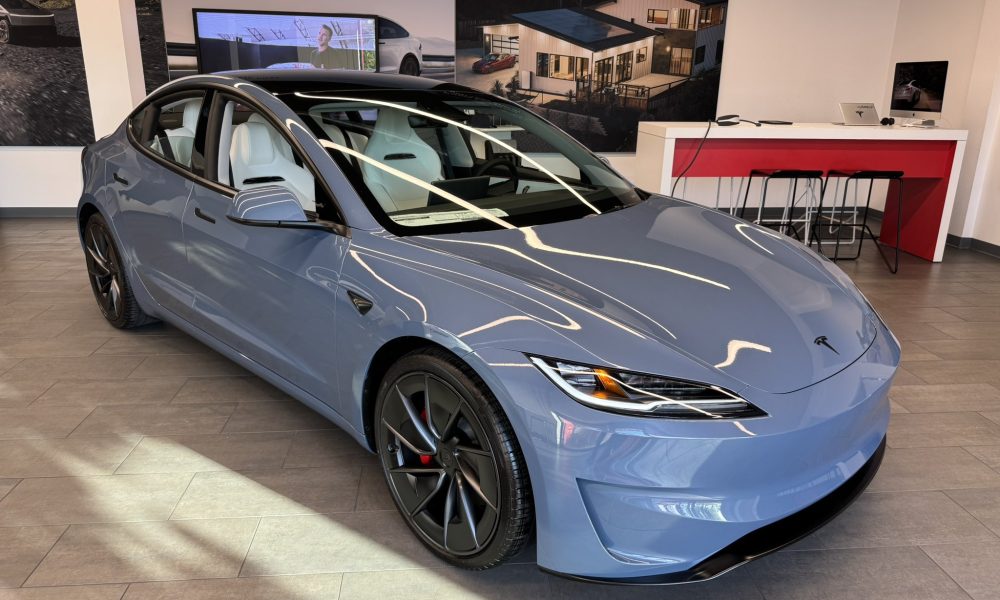
The contrast between mid-2025 and early 2026 could not be more pronounced. The earlier slump was attributed to a perfect storm of intensified competition from European and Chinese automakers, widespread negative press surrounding CEO Elon Musk, and broader economic headwinds. The 52% surge in France, however, suggests Tesla's aggressive price adjustments, compelling financing offers, and the refreshed Model 3 "Highland" have begun to decisively shift consumer calculus. Early reports indicate similar positive momentum in Spain, pointing to a regional recovery rather than an isolated national spike. This data proves that demand for Tesla's core product offering remains potent when aligned with the right market conditions.
Market Skepticism and the Road Ahead
Despite the impressive sales figures, financial markets have reacted with caution, reflecting deep-seated concerns about sustainability. Skepticism stems from questions over whether this growth is a one-time pull-forward of demand due to temporary incentives or the start of a durable trend. Investors are keenly aware that the European electric vehicle landscape is more crowded and competitive than ever, with legacy manufacturers finally delivering compelling long-range models. Furthermore, Tesla's reliance on the Model Y and Model 3—despite their updates—raises questions about portfolio breadth against rivals launching numerous new EVs annually. The market is effectively asking: Can Tesla hold this ground without a major new volume product like a true budget model?
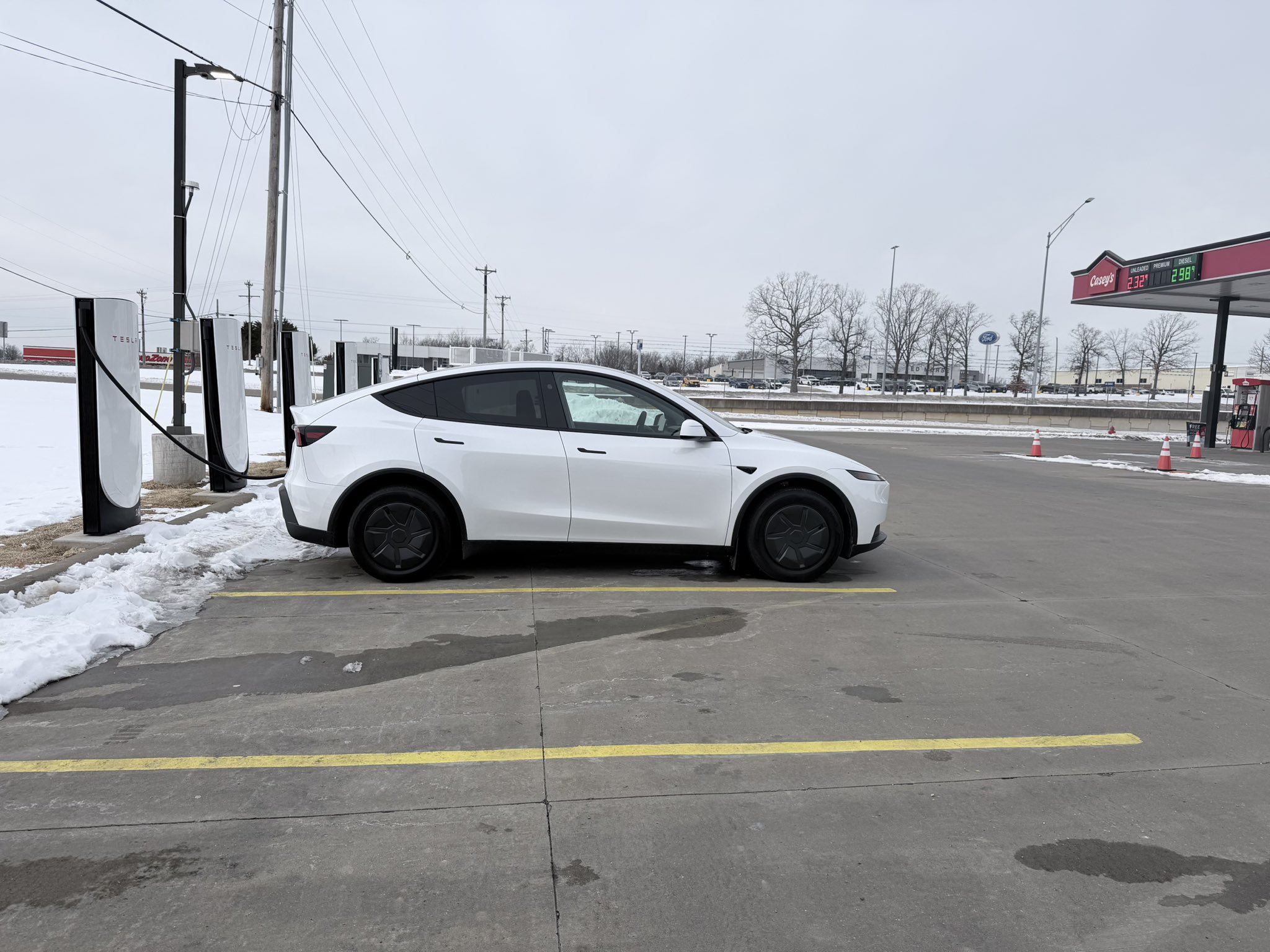
For Tesla owners, the sales rebound is a net positive, potentially bolstering resale values and ensuring the company's continued investment in the Supercharger network and service infrastructure in Europe. The increased volume also strengthens the community footprint, a key asset for any automotive brand. For investors, the situation presents a classic dichotomy between strong operational execution and macro uncertainties. The February numbers validate Tesla's ability to engineer a demand recovery through tactical levers, a crucial skill in the volatile auto industry. However, the muted stock reaction underscores a wait-and-see approach, with the market demanding proof that this is not a flash in the pan but the foundation of Tesla's next European growth chapter.