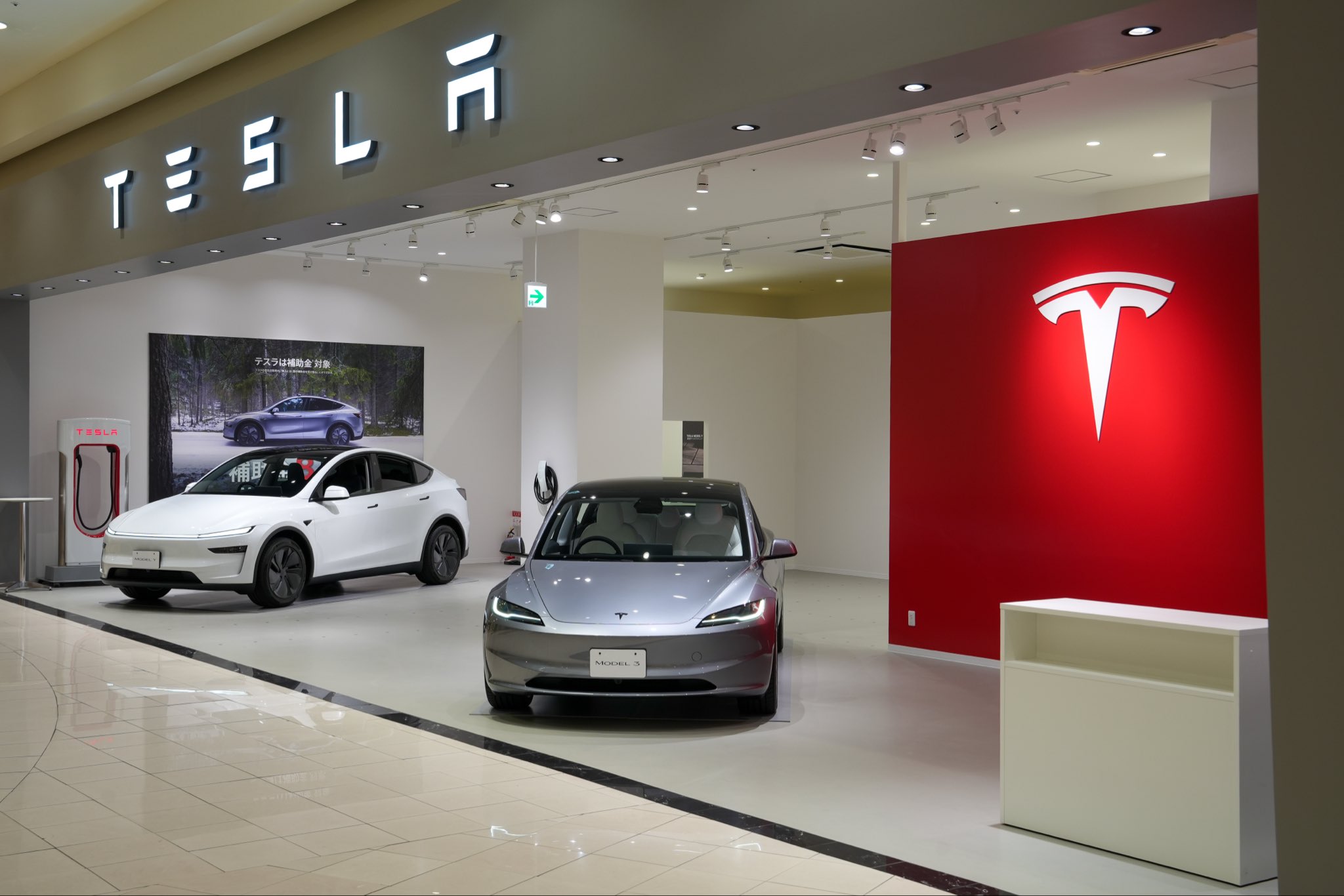
While the European automotive market often moves at a measured pace, Tesla continues to deliver shockwaves of acceleration. Fresh off reports of robust deliveries in Norway and France, new data from Spain reveals an electrifying surge, underscoring a broadening and resilient European demand for the brand. This performance in a key Southern European market signals a strategic shift in adoption patterns and consumer sentiment.
A Southern European Stronghold Emerges
According to the latest registration data, Tesla's new vehicle registrations in Spain skyrocketed by 74% in February 2024 compared to the same month last year. This follows a pattern of significant growth, with the brand's year-to-date figures also up by an impressive 58%. This surge transforms Spain from a peripheral player into one of Tesla's fastest-growing major European markets. The increase is particularly notable given the broader context of the Spanish EV sector, which saw overall plug-in vehicle registrations grow by a strong, but less dramatic, 19.5% in the same period, indicating Tesla is gaining market share at an exceptional rate.
Model Y Momentum and Strategic Pricing
The driving force behind this expansion is almost certainly the Tesla Model Y, which consistently ranks as the best-selling vehicle across all powertrains in Europe. Its combination of practicality, performance, and access to Tesla's expansive Supercharger network makes it a compelling choice. Analysts point to Tesla's agile pricing strategy as a key catalyst. The company's direct-to-consumer model allows for rapid adjustments in response to market conditions, inventory levels, and competition. Recent price adjustments and potential promotional incentives for inventory vehicles have likely made Tesla's offerings more accessible to a wider Spanish audience, converting interest into registrations.
This Spanish success story is not an isolated event but part of a coordinated European offensive. The strong results in Norway, France, and now Spain suggest Tesla has effectively navigated early-202umph challenges, such as temporary production slowdowns at Giga Berlin and shipping logistics. The data indicates a successful redirection of vehicles to meet demand in high-growth markets. Furthermore, the growing awareness of impending EU tariffs on Chinese-made EVs may be positioning Tesla, with its European manufacturing foothold, as a more stable and strategically sound choice for consumers and fleet operators.
For Tesla owners and investors, the implications are multifaceted. For owners, especially in Spain, this rapid growth promises an accelerated expansion of the service and Supercharger network, enhancing the long-term ownership experience. For investors, the consistent outperformance across diverse European markets validates the company's localized strategy and demand elasticity. It demonstrates that Tesla's core product appeal, when combined with strategic pricing, can drive growth even in markets without historic EV dominance. As competition intensifies, Tesla's ability to secure such commanding growth in major European economies reinforces its market leadership and operational execution.