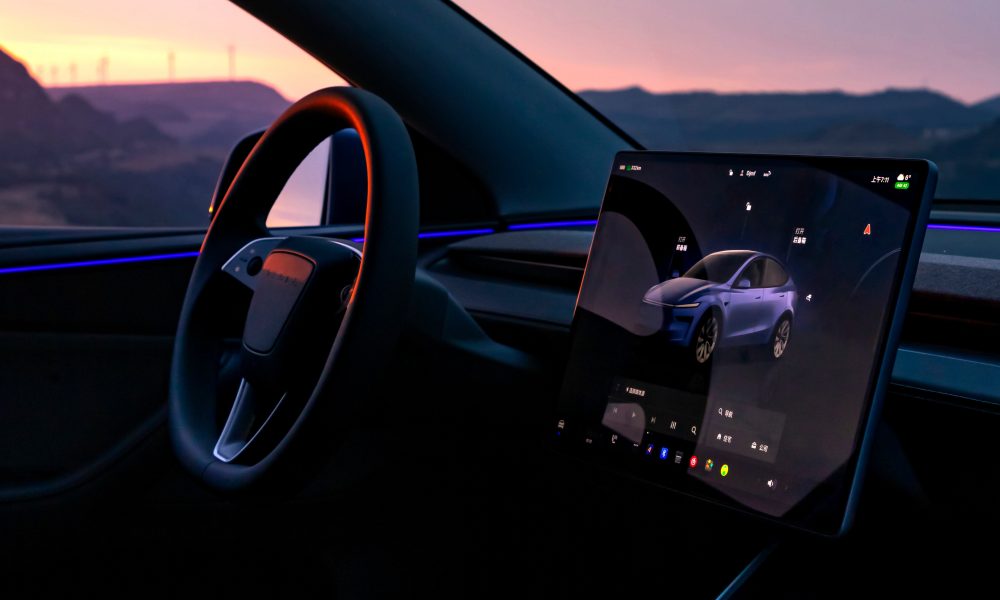
After a regulatory delay that kept European customers waiting, Tesla has officially begun the phased rollout of its xAI Grok AI assistant in vehicles across the continent. This move marks a significant step in Tesla's ambition to transform its cars into conversational AI companions, bringing European drivers into the fold more than six months after the feature's initial debut in North America. The integration, arriving via an over-the-air software update, notably includes the ability to control navigation using natural voice commands, a long-anticipated enhancement to the infotainment experience.
Navigating Europe's Regulatory Landscape
The six-month delay for the European launch was primarily attributed to the region's stringent data privacy and AI regulations, including the General Data Protection Regulation (GDPR). Tesla engineers and legal teams have been working to ensure Grok's data handling and processing protocols comply with EU standards, a necessary hurdle for any AI feature that processes user voice data. This cautious, region-specific approach underscores the complex patchwork of global regulations that automakers must navigate as they deploy increasingly sophisticated AI systems in their vehicles.
Beyond Novelty: Grok's Practical Integration
While Grok's playful and "rebellious" personality has garnered attention, its most impactful integration for daily use is its deep tie-in with the vehicle's navigation system. Drivers can now ask complex, multi-step commands like, "Find me a vegan restaurant with a charging station nearby" or "Navigate home avoiding highways," and Grok will parse the request and execute it directly in the map. This moves the feature beyond a simple chatbot novelty and positions it as a genuine productivity tool, reducing driver distraction by minimizing manual screen inputs while on the move.
The European rollout will be a critical test for Grok's contextual understanding in a diverse region with multiple languages, unique traffic laws, and varied points of interest. Its performance in accurately interpreting non-English accents and local vernacular for navigation commands will be closely watched. Furthermore, Tesla will need to demonstrate that Grok's integration enhances, rather than complicates, the driver's interaction with the vehicle, maintaining the brand's hallmark focus on a seamless user experience.
Implications for the Tesla Ecosystem
For Tesla owners in Europe, the arrival of Grok represents a tangible catch-up to the software feature set enjoyed by their U.S. counterparts, reinforcing the value of the company's over-the-air update philosophy. It enhances the premium tech feel of the cabin and provides a more intuitive way to interact with the car's core functions. For investors, the successful regulatory navigation in Europe sets a precedent for future AI-driven feature deployments in other regulated markets, potentially smoothing the path for Full Self-Driving (FSD) software approvals. This rollout strengthens Tesla's key differentiator: its vertically integrated software and hardware stack, which allows for the rapid deployment and refinement of such advanced features across its global fleet.