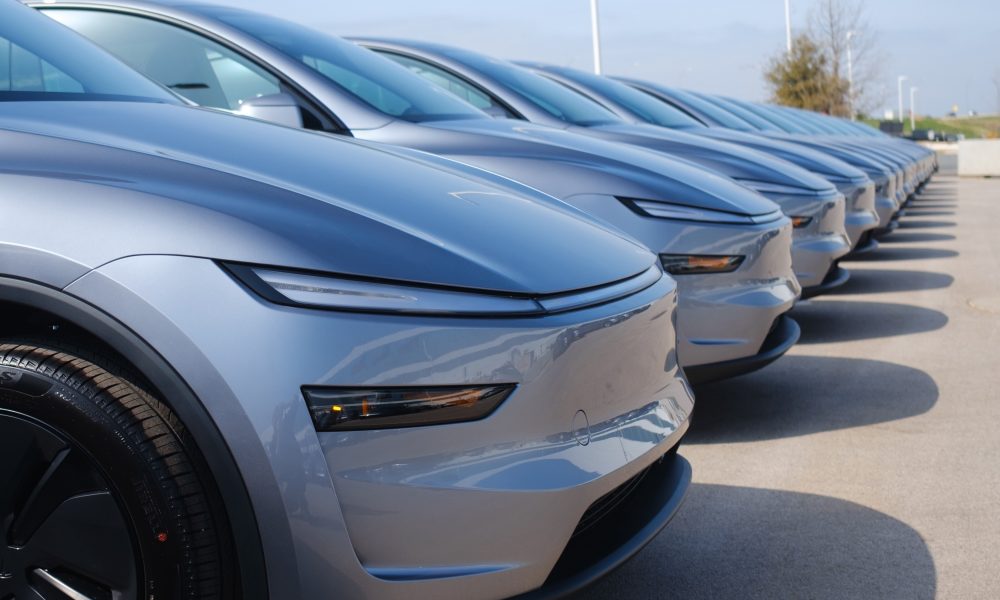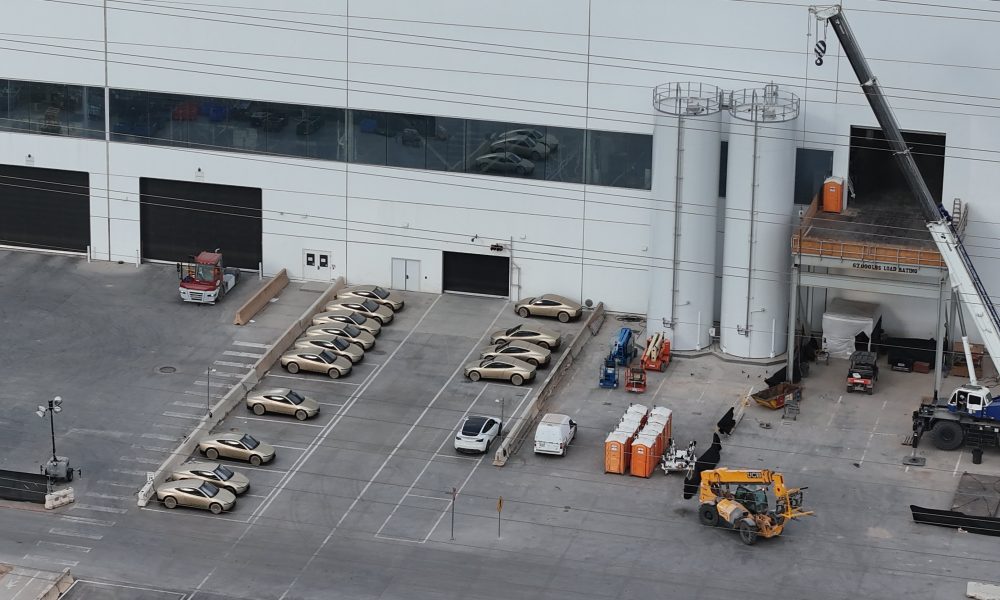
After months of anticipation and a dramatic unveiling event, Tesla's autonomous future is shifting from prototype to production reality. The company has entered a critical new phase, ramping up test manufacturing of its revolutionary Cybercab robotaxi. This controlled build-up is the final proving ground before volume production commences, signaling that Tesla is methodically translating its bold vision into tangible vehicles. The move underscores a strategic, deliberate approach to what may be the most complex manufacturing challenge in the company's history.
A Deliberate Ramp for a Novel Architecture
Unlike the sequential launches of the Model Y or Cybertruck, the Cybercab's path to the assembly line is uniquely cautious. According to recent reports, volume production remains between four and eight weeks away. This timeline aligns with CEO Elon Musk's previous statements emphasizing a measured initial ramp. The rationale is clear: the Cybercab is not merely a new electric vehicle; it is a ground-up platform designed exclusively for autonomous ride-hailing. Its "novel architecture" lacks traditional driver controls and is engineered from the chassis up to integrate seamlessly with Tesla's latest Full Self-Driving (FSD) hardware and software stack. Test manufacturing allows engineers to validate supply chains, assembly processes, and the vehicle's core robotic functions in a controlled environment before scaling.
The Full Self-Driving Imperative
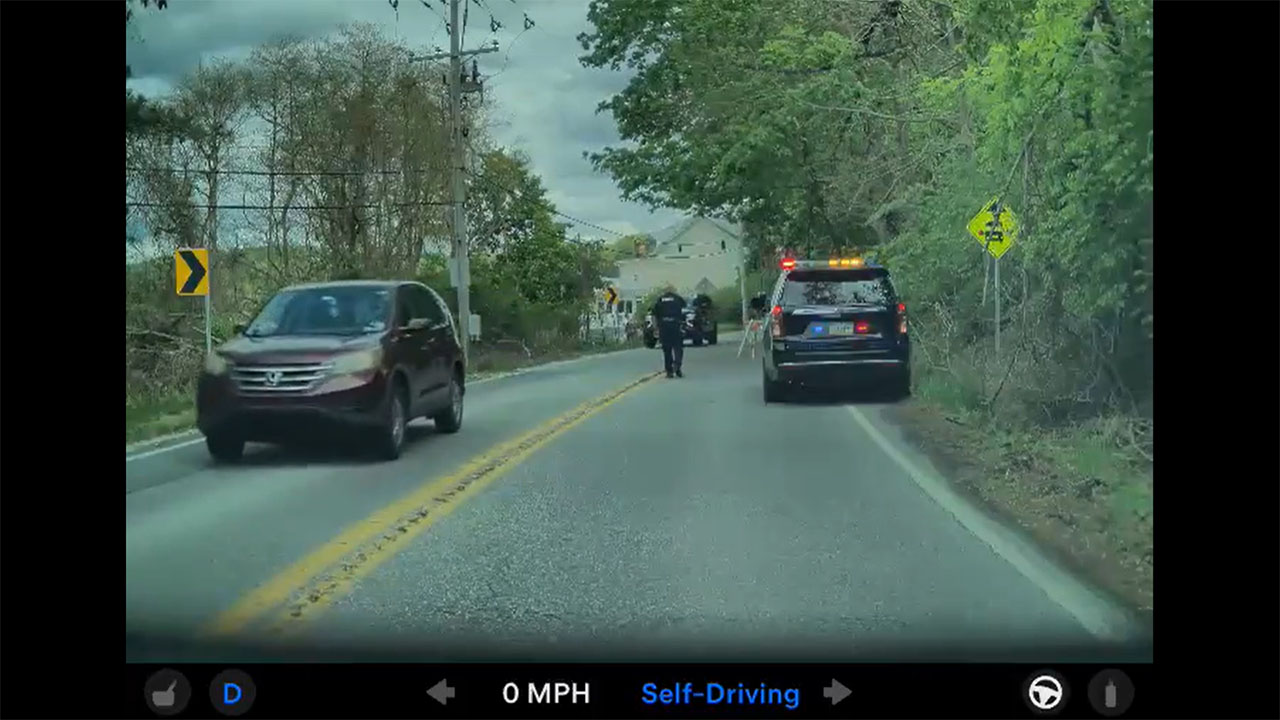
The success of the Cybercab is inextricably linked to the maturity of Tesla's vision-based autonomy system. The vehicle's entire operational and economic model depends on the reliability and safety of FSD without human oversight. This test production phase likely involves not just building the physical vehicle, but also loading and rigorously testing the integrated autonomous driving system. Each pre-production Cybercab becomes a data-generating platform, feeding information back to Tesla's AI training neural networks. This closed-loop process is critical for refining the software that will serve as the robotaxi's "driver," ensuring the fleet can navigate the complexities of real-world streets before public deployment.
For Tesla investors, the ramp of test manufacturing is a tangible milestone that de-risks the ambitious Robotaxi project. It moves the narrative from concept to execution, providing a clearer timeline for a potential new, high-margin revenue stream from the Tesla network. Owners of current Tesla vehicles should watch closely, as advancements in FSD software and hardware validated in the Cybercab will inevitably filter back to consumer models, enhancing their capabilities and value. The next four to eight weeks will be pivotal, determining if Tesla can smoothly transition from building test units to launching a manufactured product that could redefine urban mobility.