In a high-stakes battle over a name that could define its future, Tesla is aggressively contesting a trademark claim that threatens to derail its much-anticipated autonomous taxi service. The electric vehicle giant has filed a formal opposition against French beverage company UNIBEV, which secured the "Cybercab" trademark in the U.S. first, creating a significant roadblock for Tesla's own application. This legal maneuver underscores the critical importance of the Cybercab brand to Tesla's long-term master plan and sets the stage for a complex intellectual property dispute.
The Core of the Trademark Dispute
At the heart of the conflict is a classic "first to file" trademark scenario with a twist. UNIBEV, a company seemingly unrelated to the automotive or technology sectors, filed for the "Cybercab" trademark in the United States. This prior filing automatically blocks Tesla's subsequent application, putting the EV maker in a defensive position. Tesla's opposition, filed with the U.S. Patent and Trademark Office, argues that UNIBEV's registration should be canceled, likely on grounds of non-use or intent to use in bad faith. The company must prove that the French firm has no legitimate commercial purpose for the name in the relevant vehicle and transportation service categories.
Why "Cybercab" is Non-Negotiable for Tesla
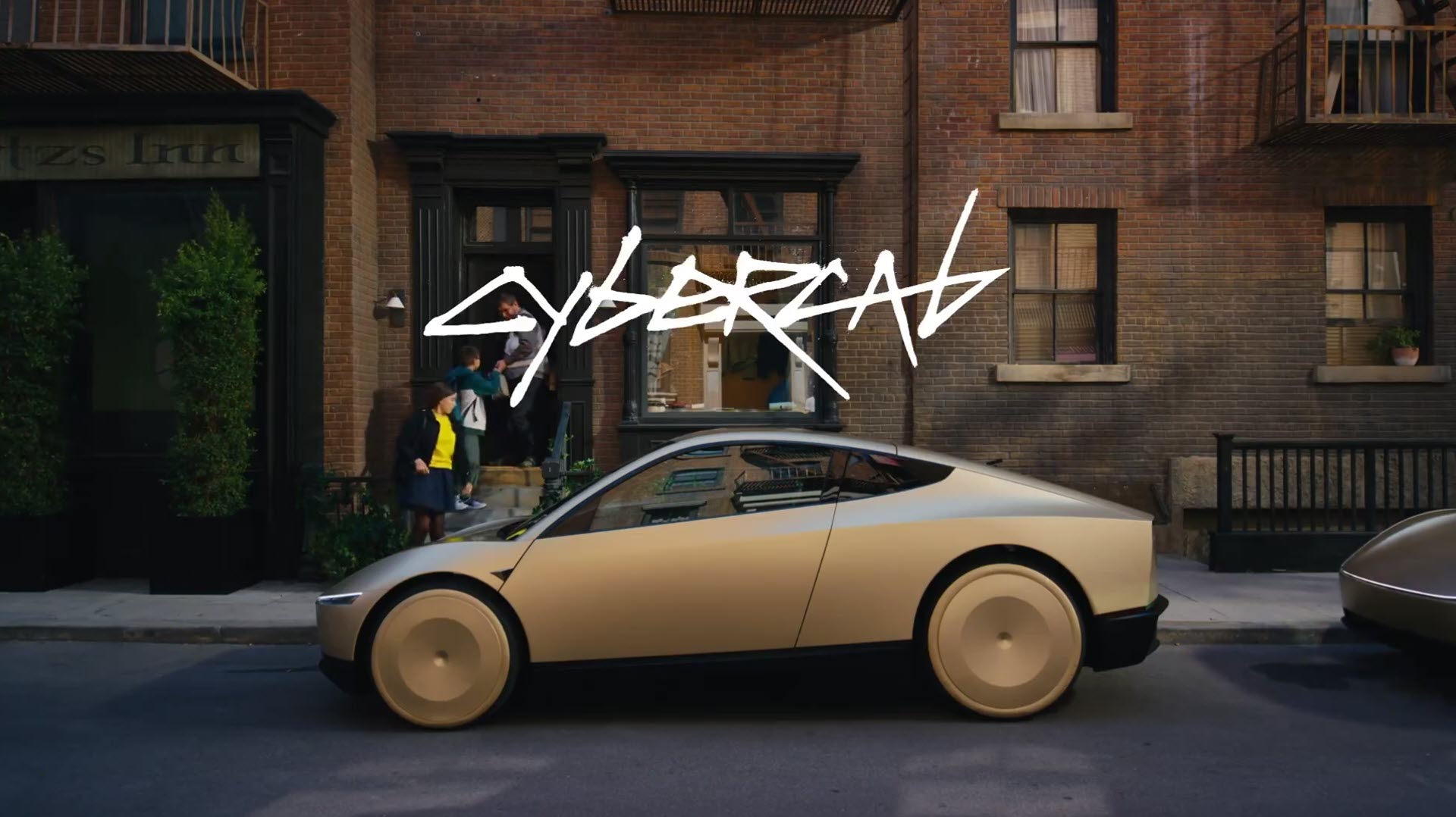
This is far more than a simple naming squabble. The term Cybercab is intrinsically linked to Tesla's identity and publicly stated ambitions. It directly connects to the "Cybertruck" – the company's radical stainless-steel pickup – and the broader "Cyber" branding lineage Elon Musk has cultivated. More importantly, it is the intended name for the dedicated autonomous taxi service, a cornerstone of Tesla's future revenue model centered on its "Full Self-Driving" software. Securing this trademark is essential for clear, unambiguous branding as Tesla moves towards launching what it envisions as a global robotaxi network.
The opposition reveals Tesla's proactive legal strategy to clear all paths for its autonomous future. Letting the trademark remain with an unrelated entity could lead to consumer confusion, brand dilution, or a costly buyout later. By challenging it now, Tesla demonstrates a willingness to invest resources to protect its strategic assets. The context is critical: this action comes amidst accelerating regulatory discussions and internal development timelines for Tesla's robotaxi platform, making unambiguous ownership of the name increasingly urgent.
Implications for Tesla's Roadmap and Stakeholders
For Tesla investors, this trademark push is a signal of confidence and forward momentum in the robotaxi segment, a potential multi-trillion dollar market. A successful challenge would remove a minor but symbolic obstacle, allowing marketing and development to proceed under the powerful, cohesive Cybercab banner. For owners, it reinforces that Tesla is seriously building out the ecosystem where their vehicles could one day generate income as autonomous taxis. However, a prolonged legal battle or an unsuccessful outcome could force an awkward rebrand, causing delays and marketing inefficiencies at a critical juncture. Ultimately, this dispute highlights that building the future of transportation involves not just technological breakthroughs, but also securing the legal foundations to bring it to market.