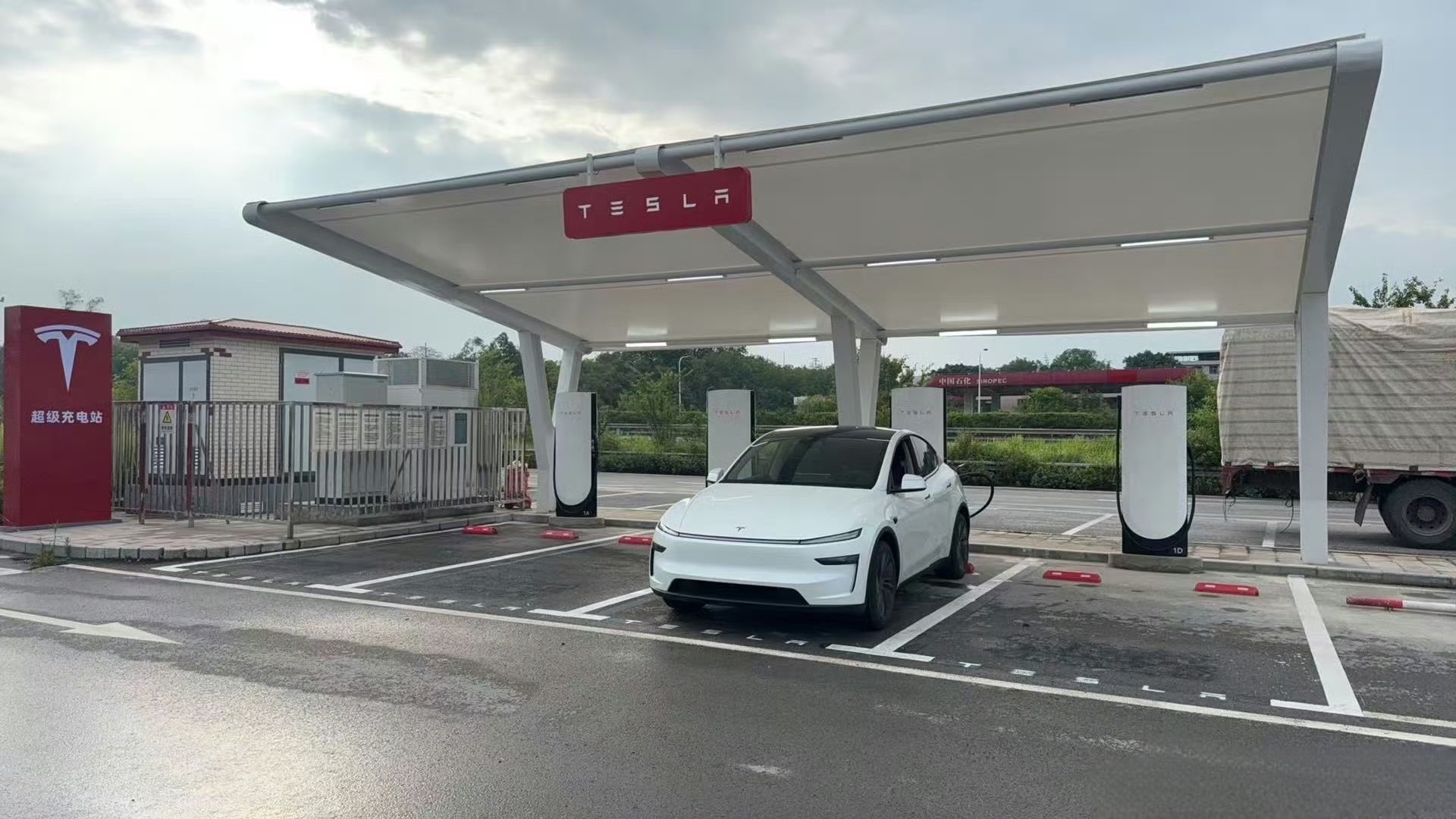
In a market where charging infrastructure is the ultimate battleground for electric vehicle supremacy, Tesla has just fired a decisive salvo. The company has officially surpassed a monumental milestone in China, now operating over 2,500 Supercharger stations encompassing more than 12,000 individual stalls across the mainland. This aggressive expansion, confirmed by Tesla Vice President Grace Tao, underscores a strategic deep dive into the world's largest EV arena, transforming a key concern for potential buyers—range anxiety—into a formidable competitive advantage.
A Strategic Fortress in the World's Largest EV Market
This infrastructure push is far more than a numbers game; it's a critical component of Tesla's long-term strategy in China. The nation's EV adoption rate is accelerating at a blistering pace, fueled by strong government support and intense local competition from brands like BYD, Nio, and XPeng. For Tesla, a robust and reliable proprietary charging network serves as a powerful moat. It directly enhances the ownership experience for its growing fleet of Chinese-made Model 3 and Model Y vehicles, assuring customers of seamless long-distance travel. Furthermore, it acts as a tangible brand showcase, positioning Tesla not just as a car manufacturer, but as a comprehensive energy and mobility leader.
Beyond Tesla: The NACS Effect and Network Value
The significance of this expansion is amplified by Tesla's recent strategic openings in the region. While the Supercharger network remains a premium perk for Tesla owners, the company has begun allowing select other EV brands to access its chargers in China. This move mirrors its strategy in North America with the North American Charging Standard (NACS) and hints at a future where Tesla's infrastructure could become a revenue-generating utility for a wider array of drivers. Each new station increases the intrinsic value of the entire network, creating a virtuous cycle that makes Tesla's ecosystem more attractive to all stakeholders.
Analysts view this continuous build-out as a direct response to both market demand and competitive pressure. Chinese consumers have come to expect ubiquitous and fast charging solutions. By deploying its latest V3 Supercharger technology, capable of adding up to 172 miles of range in just 15 minutes, Tesla is setting a high bar for charging speed and reliability. This infrastructure commitment is essential for maintaining sales momentum and defending market share against domestic rivals who are also rapidly expanding their own charging partnerships and networks.
Implications for Tesla Owners and Investors
For current and prospective Tesla owners in China, this news translates directly into unparalleled convenience and confidence. A denser Supercharger map means more flexible road trips, reduced wait times, and a stronger overall value proposition for the vehicle itself. For global investors, the Chinese network expansion is a robust indicator of Tesla's execution capability in a critical market. It demonstrates a commitment to capital expenditure that fuels growth and fortifies brand loyalty. As Tesla continues to convert its charging network from a cost center into a potential profit center through selective access agreements, this massive installed base in China could evolve into a significant and recurring revenue stream, further diversifying the company's business model beyond car sales alone.