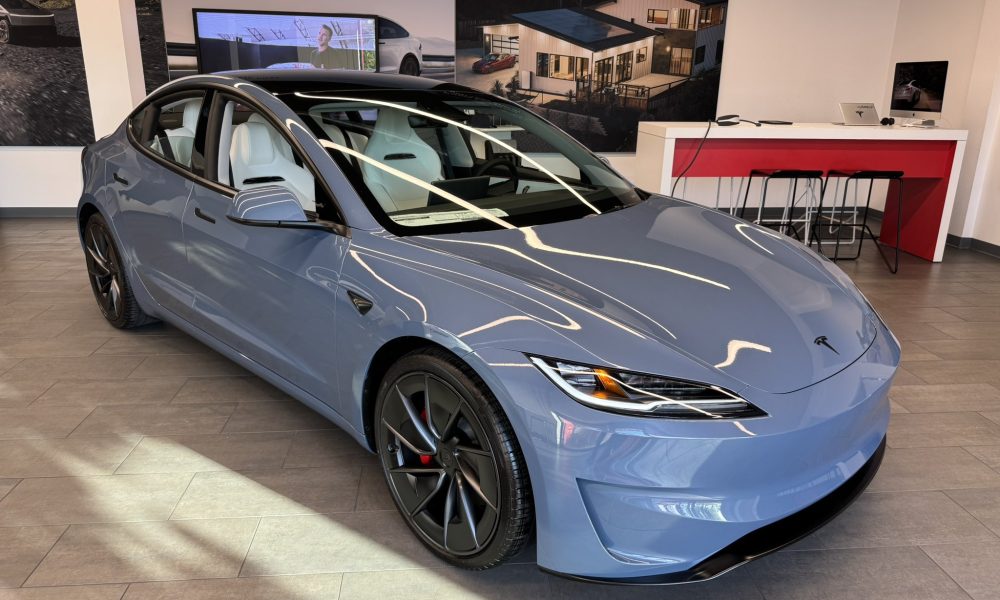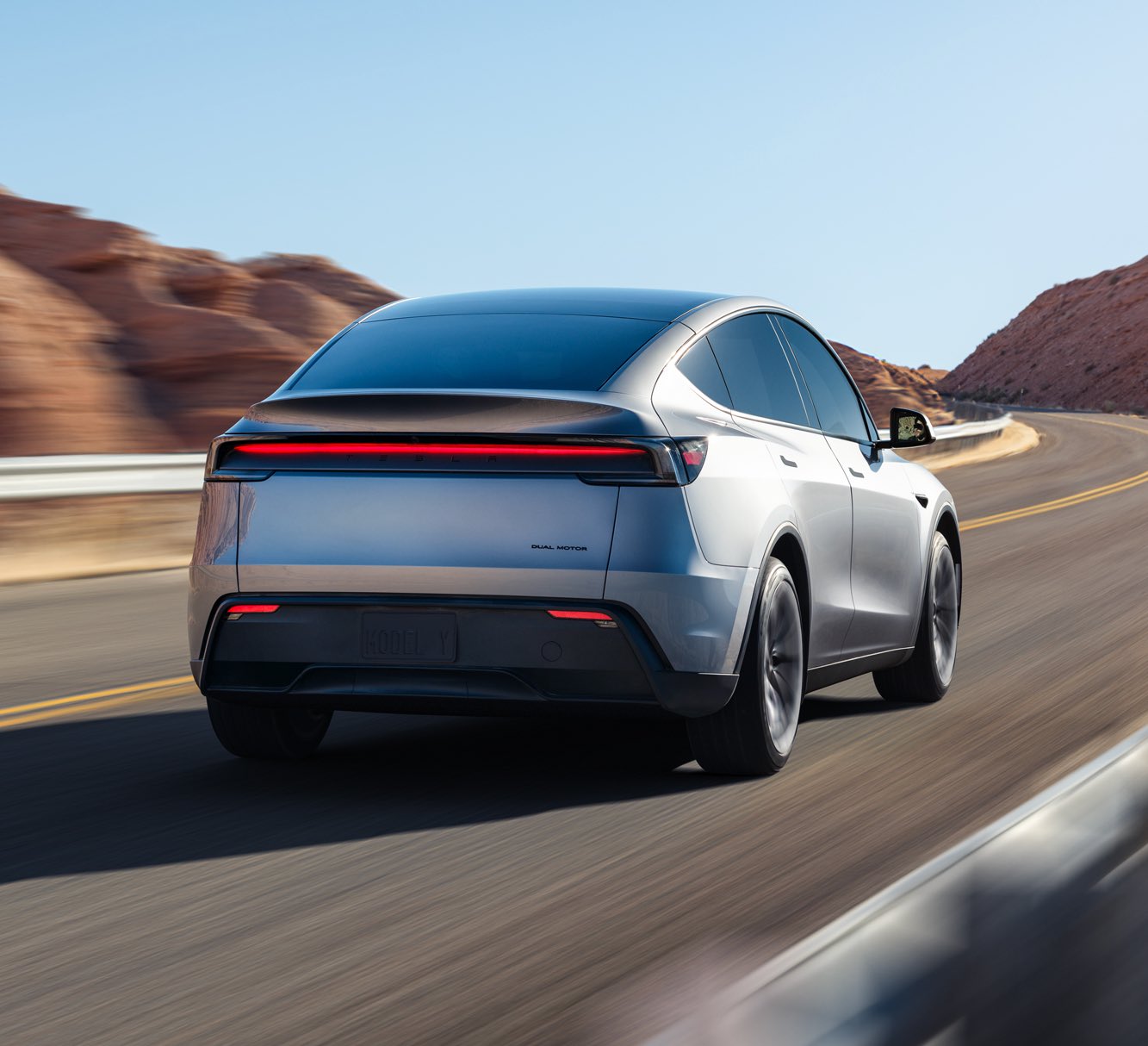
When a seasoned mechanic buys a first-year production electric vehicle, skepticism is part of the package. For one automotive professional, taking delivery of a 2020 Tesla Model Y Long Range was an act of faith, a decision accompanied by the nervous anticipation familiar to any early adopter. Now, after 180,000 kilometers of real-world use, that same mechanic has delivered a verdict that cuts through the hype and the hate, offering a rare, unfiltered look at long-term EV ownership from beneath the hood.
The Good, The Bad, and The Unexpected Wear
The review reveals a story of remarkable durability paired with predictable, yet manageable, wear. The core powertrain—the electric motors and battery pack—reportedly remains in outstanding health, delivering consistent range with minimal degradation, a testament to Tesla's engineering. However, the mechanic's trained eye identified issues common to many vehicles, electric or not. The most significant wear items were the control arms, which required replacement due to worn bushings—a known issue on early Model Y builds that Tesla has since addressed. Other replacements included tires, brake pads (used sparingly thanks to regen braking), and the 12V battery, a consumable component in any modern car.
A Mechanic's Perspective on EV Simplicity
From a professional standpoint, the Model Y's mechanical simplicity is its most revolutionary feature. The absence of a traditional internal combustion engine, transmission, exhaust system, and associated fluids eliminates a vast catalog of routine maintenance and potential failures. This translates to dramatically lower long-term service costs for owners who avoid high-priced wear items like tires. The mechanic noted that while dealership repair costs can be high, the fundamental robustness of the EV platform means fewer reasons to visit a service center. The diagnostic shift from mechanical sounds to software logs represents a new, but learnable, skillset for the industry.
The review also highlighted the duality of Tesla's build philosophy. The over-the-air update system received high praise for continuously improving the car's features, safety, and performance years after purchase—a capability impossible for legacy vehicles. Conversely, the initial build quality on the 2020 model showed room for improvement, with minor alignment issues and interior trim quirks. This aligns with the broader narrative of Tesla prioritizing software and powertrain excellence while sometimes lagging in traditional automotive fit-and-finish, a gap that has notably narrowed in recent production cycles.
Implications for Tesla Owners and Investors
For current and prospective Tesla owners, this deep-dive review is profoundly reassuring. It provides concrete evidence that the high-voltage components are built to last well beyond typical ownership periods, validating the core EV value proposition. The wear items identified are largely inexpensive and familiar to any technician. For Tesla investors, the narrative is equally positive. This real-world data supports the company's claims of vehicle longevity and low total cost of ownership, critical metrics for mainstream adoption. It demonstrates that early production hurdles are being overcome, while the fundamental advantages of the electric powertrain and software-defined architecture are delivering tangible, long-term benefits that strengthen brand loyalty and competitive moat.