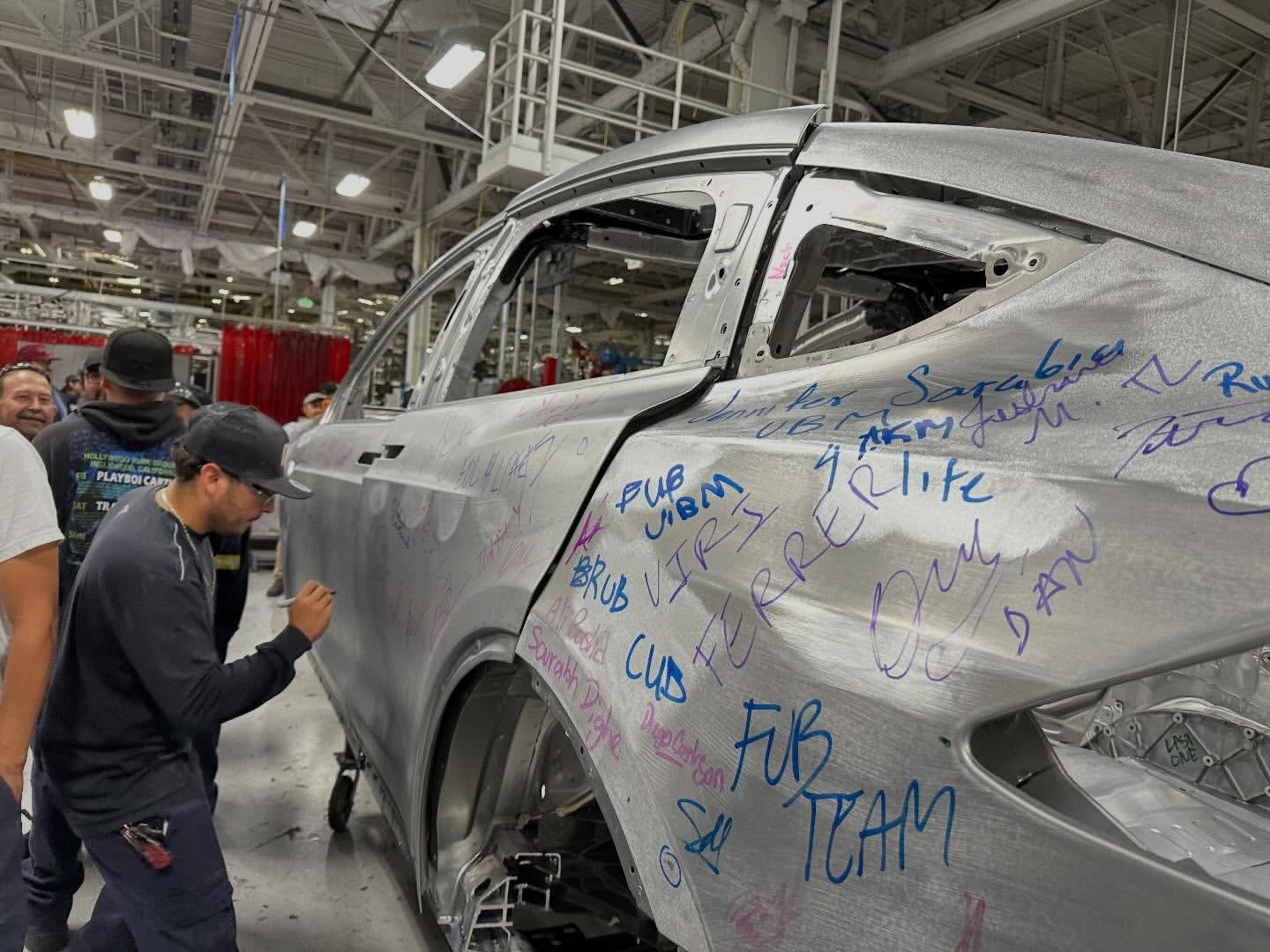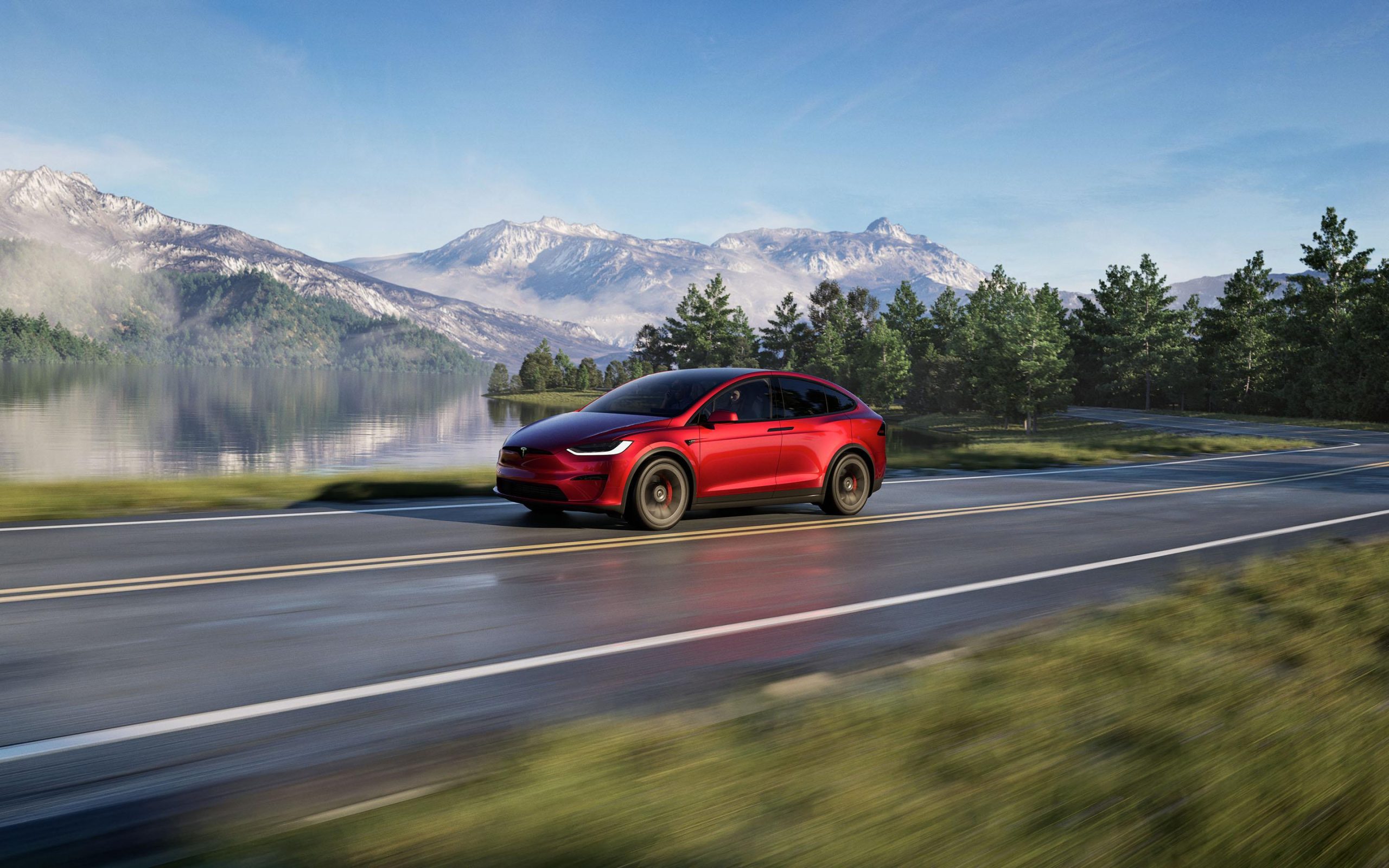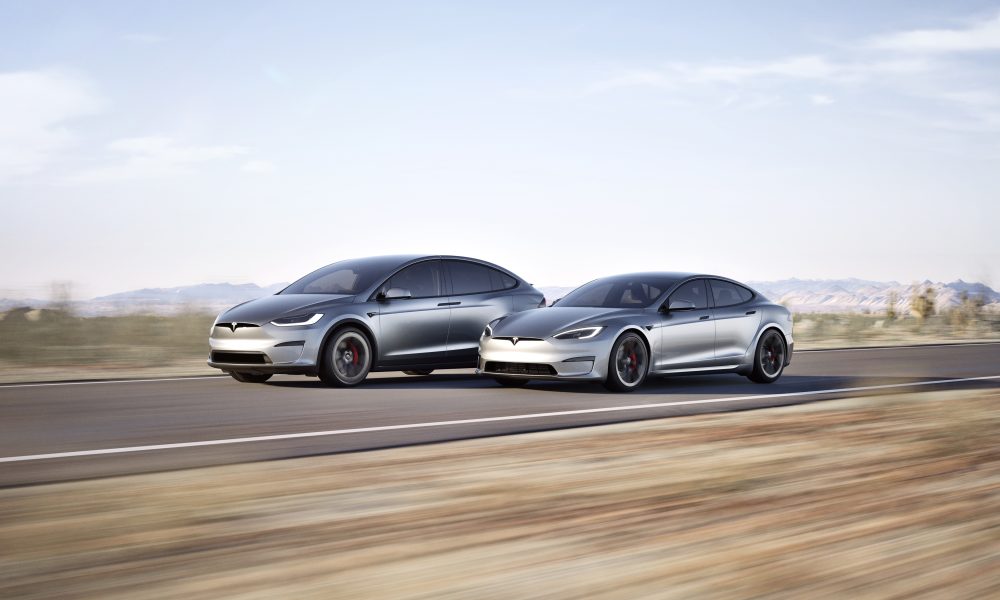
The end of an era for Tesla's flagship vehicles is becoming tangible, not through an official announcement, but through the quiet, systematic reduction of choices available to customers. As speculation about the eventual discontinuation of the long-running Model S and Model X intensifies, Tesla's Online Design Studio has offered the clearest signal yet: the customization pipeline is beginning to dry up. The first casualty is Lunar Silver, a paint color exclusive to these models, which is now officially listed as "Sold Out" for both vehicles, marking a significant step in the wind-down process.
The Significance of a "Sold Out" Paint
In the automotive industry, the simplification of build configurations is a classic precursor to a model's phase-out. For Tesla, which has championed a direct-to-consumer, build-to-order model, the removal of options from its Design Studio is a direct communication to the market. Lunar Silver's disappearance is particularly telling because it is not a shared color across the lineup; it is a unique identifier for the premium Model S and Model X. This move suggests Tesla is streamlining production by eliminating less popular or more complex-to-produce variants, consolidating inventory, and preparing its Fremont factory lines for a future without these legacy vehicles or for their anticipated next-generation replacements.
Context: The Flagships' Evolving Role
The Model S, launched in 2012, and the Model X, launched in 2015, redefined the electric vehicle (EV) landscape and cemented Tesla's reputation for performance and innovation. However, their strategic importance has diminished as volume sellers like the Model 3 and Model Y have come to dominate sales charts and consumer attention. With incremental updates like the Plaid powertrain largely complete, the aging platforms are likely costing more to produce relative to their contribution to the bottom line. Thinning customization options aligns with a broader corporate focus on simplification and cost reduction, a principle CEO Elon Musk has repeatedly emphasized across Tesla's operations.
The implications for prospective buyers are immediate. Those wishing to configure a Model S or Model X now face a shrinking palette of personalization choices. This trend will likely continue, potentially extending to wheel options, interior trims, and even powertrain selections. For enthusiasts seeking a specific configuration, the window to order is effectively closing. The move also signals that Tesla is prioritizing the allocation of parts and manufacturing bandwidth toward its high-demand models and future projects, such as the Cybertruck, next-generation platform, and Full Self-Driving (FSD) development.
For Tesla investors and owners, this quiet phase-out carries mixed messages. It underscores the company's relentless focus on evolution and capital efficiency, retiring lower-margin products to focus on growth drivers. However, it also marks the gradual sunset of the vehicles that built the Tesla brand halo. Existing Model S and Model X owners may see the values of well-configured, especially rare-color vehicles, become more resilient as new ones become harder to order. Ultimately, this step confirms that Tesla's future volume and innovation will be carried by newer architectures, making the continued existence of its original flagship EVs an increasingly exclusive proposition.