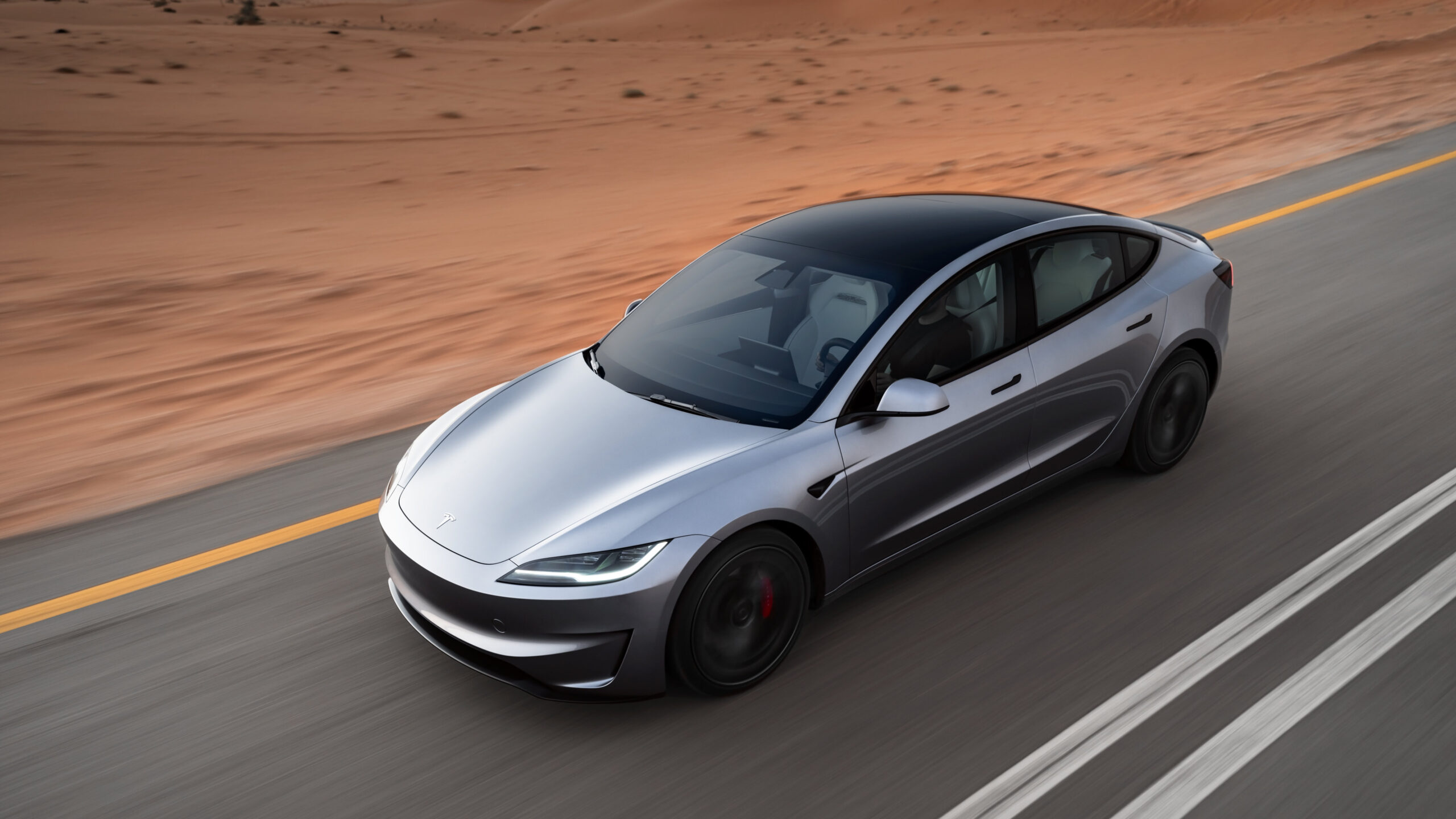
Tesla has once again thrown a strategic grenade into the European electric vehicle market, this time with a pricing move that blurs the line between premium EV and mainstream combustion-engine affordability. For the French market, the American automaker has slashed the price of its entry-level Model 3 to a startling €33,090, effective until March 31, 2026, via a direct €3,500 discount. This aggressive promotion doesn't just undercut rival EVs; it positions Tesla's most popular sedan directly against high-end gasoline-powered compact cars, forcing a fundamental rethink of value in the automotive sector.
A Strategic Price Assault on Multiple Fronts
This isn't merely a seasonal sales tactic; it's a calculated offensive. By lowering the Model 3's price point to the mid-€30,000 range, Tesla is executing a pincer movement. It applies immense pressure on legacy automakers struggling to achieve profitability on their similarly priced, but often less technologically advanced, electric models. Simultaneously, it directly targets consumers who were considering a well-equipped Volkswagen Golf, Audi A3, or BMW 1 Series. The message is unambiguous: for the price of a premium German compact, you can now own a full-electric vehicle with a superior charging network, industry-leading software, and a globally recognized brand cachet.
Decoding Tesla's "End-of-Quarter" Playbook in 2026
The promotion, tied to the end of the first quarter of 2026, follows Tesla's established pattern of using targeted incentives to smooth delivery waves and meet ambitious quarterly targets. However, the scale and positioning of this discount suggest a deeper strategy. With increased competition and a more crowded EV landscape, Tesla is leveraging its industry-best gross margins to defend and expand its market share. The move effectively "redraws the hierarchy" of the electric market in France, as analysts note, making the Model 3 a default cross-shop candidate for a vastly larger pool of buyers. It also serves to clear inventory ahead of anticipated updates, ensuring the current generation remains fiercely competitive.
Context is critical here. The European EV market is entering a phase of consolidation, with consumer incentives shrinking in some regions and economic uncertainty lingering. Tesla's direct-to-consumer model allows for such nimble, market-specific pricing adjustments without dealer network friction. This promotion demonstrates a willingness to temporarily sacrifice some per-unit profitability for volume, brand dominance, and the long-term electrification mission. It's a stark reminder that Tesla views pricing as a key software-like lever it can pull, while legacy OEMs remain hampered by complex, slower-to-respond cost structures.
Implications for Owners and the Investment Thesis
For current Tesla owners, this promotion is a double-edged sword. It will likely exert downward pressure on resale values of recent Model 3 purchases in the short term, a familiar dynamic in Tesla's fast-evolving pricing environment. However, it also accelerates the adoption of the Supercharger network and strengthens the brand's ubiquity, potentially enhancing the ecosystem's value. For investors, the move underscores Tesla's continued focus on volume growth and market penetration, even at the expense of near-term margins. It raises questions about the ceiling of demand without such incentives but also highlights the company's powerful leverage in a price war—a war many competitors are financially ill-equipped to fight. The next few quarters will reveal whether this aggressive discounting successfully converts a new wave of European buyers or simply pulls forward demand, setting the stage for the next evolution of Tesla's market strategy.