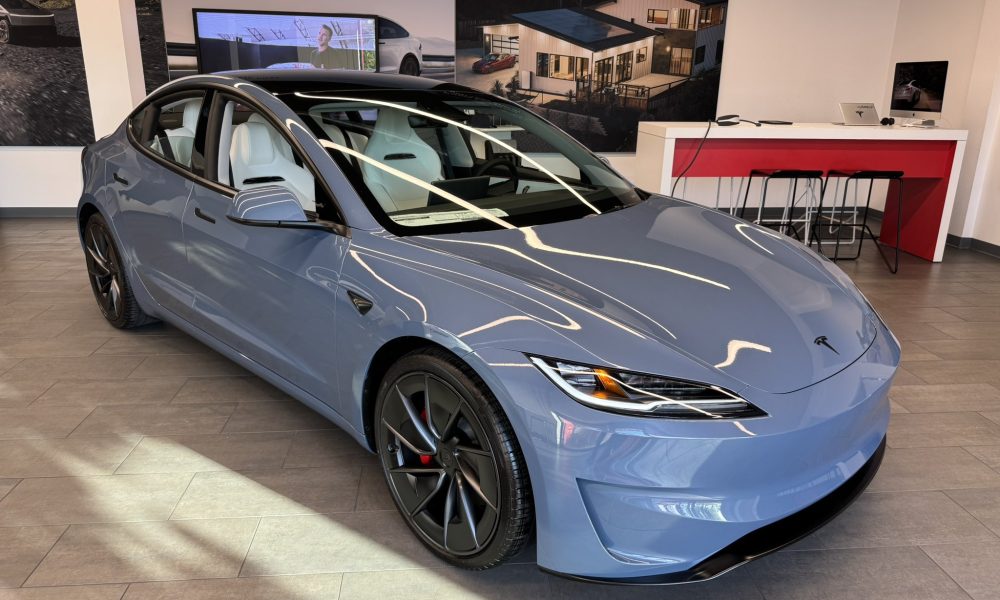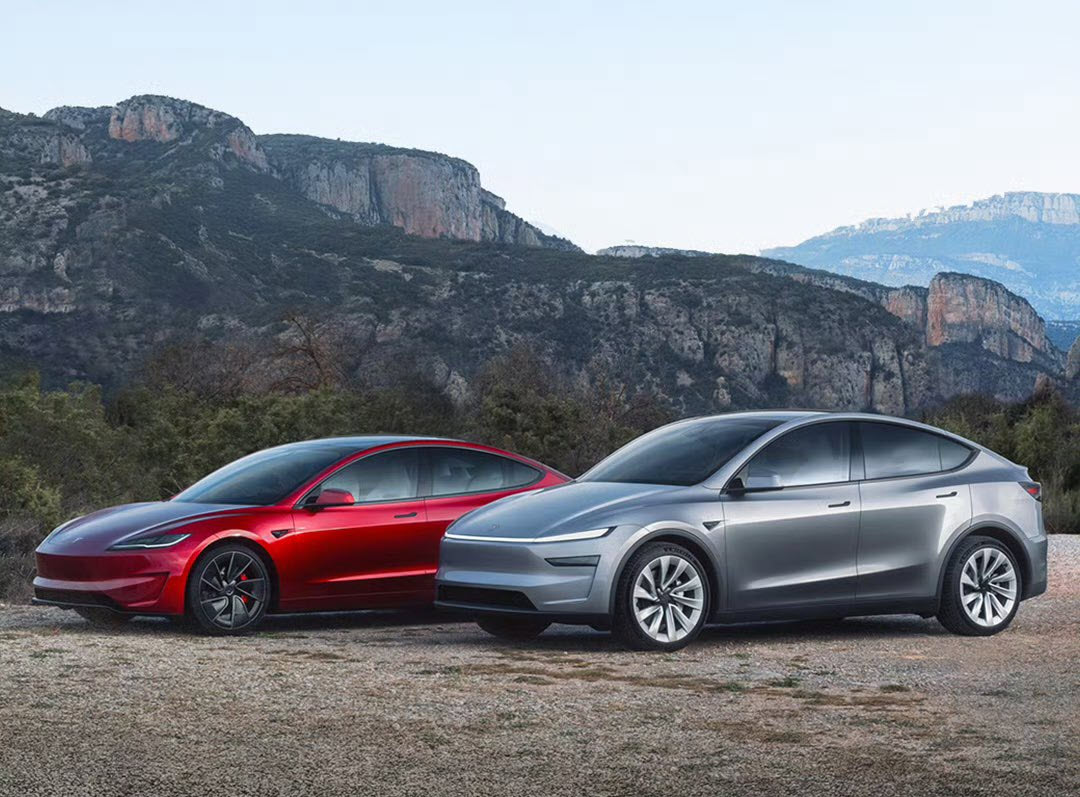
In an automotive landscape where brand loyalty is fiercely contested, Tesla has once again demonstrated an almost gravitational pull on its customers. The latest J.D. Power U.S. Electric Vehicle Experience (EVX) Ownership Study reveals a clean sweep for the Austin-based automaker, with the Tesla Model 3 and Tesla Model Y securing the top two spots for overall owner satisfaction. This decisive victory underscores a critical truth: beyond raw performance and innovation, it is the day-to-day ownership experience that is cementing Tesla's market dominance and creating a formidable barrier for legacy automakers to overcome.
Decoding the Satisfaction Benchmark
The J.D. Power study measures satisfaction across ten critical touchpoints of the EV ownership journey, including charging experience, driving enjoyment, cost of ownership, and vehicle quality. Tesla's dominance in these rankings is not accidental; it is the direct result of a vertically integrated ecosystem competitors cannot easily replicate. Owners consistently praise the seamlessness of the Supercharger network, the intuitive nature of the software-centric user experience, and the value retention of their vehicles. This high score in a study that heavily weights real-world usability signals that Tesla's product philosophy is fundamentally aligned with what EV owners value most.
The Ecosystem Advantage: More Than Just a Car
While many manufacturers can now produce a competent electric vehicle, Tesla's victory highlights the insufficiency of the car as a standalone product. The company's lead is built on its proprietary charging infrastructure, which remains the most reliable and widespread fast-charging system in North America. Furthermore, Tesla's commitment to over-the-air software updates continuously enhances vehicle capability, safety, and entertainment long after purchase—a feature that fosters a sense of ongoing value. This holistic approach transforms the vehicle from a static asset into an evolving platform, directly addressing pain points like range anxiety and rapid technological obsolescence that still plague the broader EV sector.
For Tesla investors, this study provides powerful validation of the company's long-term strategy. High owner satisfaction translates directly into exceptional brand loyalty and lower customer acquisition costs, creating a virtuous cycle that supports sustained growth. It also reinforces the resilience of Tesla's demand in the face of increasing competition, suggesting its market share is defended by more than just price adjustments. For owners, the implications are equally tangible. Leading satisfaction scores correlate strongly with higher resale values and assure continued investment in the ecosystem they rely on. As the industry scrambles to catch up on battery and drivetrain technology, Tesla's latest accolade confirms that its most significant moat may well be the satisfaction of the people who already own one.