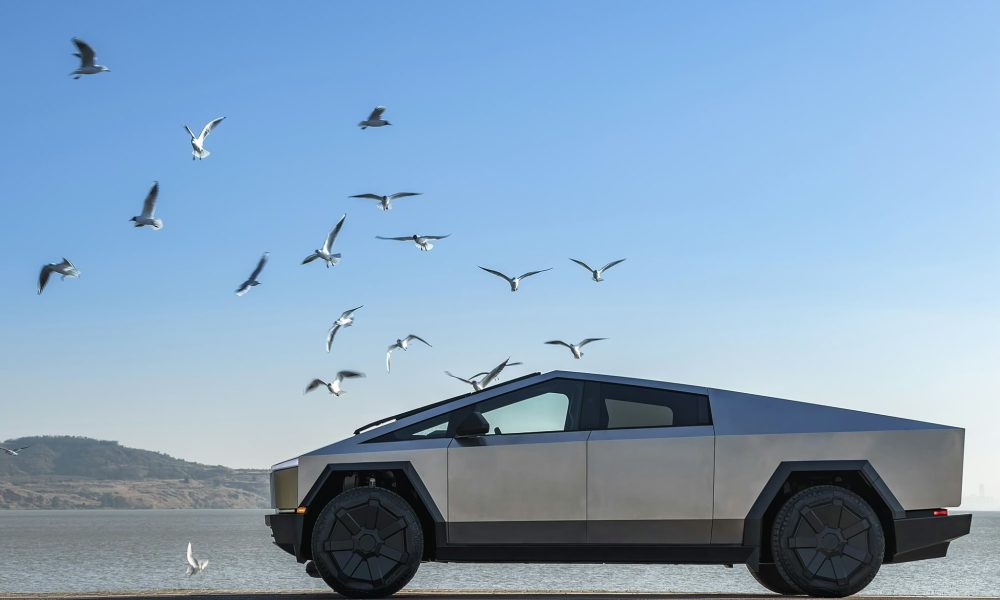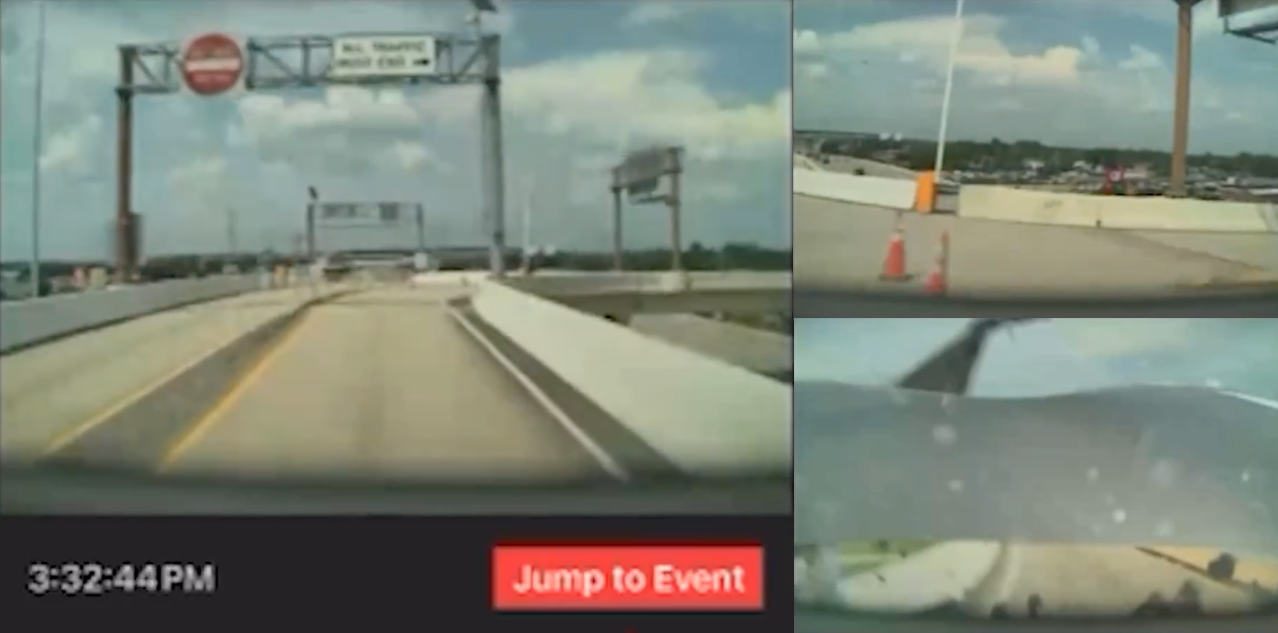
In the high-stakes arena of autonomous driving, every accident becomes a critical test of public trust and legal accountability. A recent lawsuit alleging a Tesla Cybertruck crashed while using Autopilot has ignited a fierce debate, one that CEO Elon Musk is now confronting head-on with a powerful rebuttal: internal vehicle data. According to Tesla, its logs definitively show the advanced driver-assistance system was not active at the time of the Texas incident, directly challenging the plaintiff's narrative and setting the stage for a pivotal legal and public relations battle.
Data Versus Allegation: The Heart of the Dispute
The lawsuit, stemming from a single-vehicle crash involving a Cybertruck earlier this year, claimed the driver was using Tesla's Autopilot system when the accident occurred. Such allegations are not uncommon and often form the basis of intense scrutiny into Tesla's safety protocols. However, Musk's public pushback, citing proprietary telemetry, introduces a tangible counterpoint. Tesla asserts its logs indicate Autopilot was disengaged more than 30 seconds before the collision, with the vehicle's steering wheel torque sensors confirming manual driver input in the final moments. This data-centric defense underscores Tesla's recurring strategy of leveraging its connected vehicle architecture to verify system states during incidents.
The Broader Context of Autonomous Driving Accountability
This incident is far from an isolated case; it sits at the complex intersection of evolving technology, driver responsibility, and regulatory oversight. Tesla's Full Self-Driving (FSD) and Autopilot systems are classified as Level 2 automation, requiring constant driver supervision. Yet, the branding and capabilities often lead to confusion about the system's limitations. Each crash allegation forces a forensic examination of the split-second interplay between human and machine. Tesla's ability to retrieve detailed logs provides a unique evidentiary advantage, but it also places the company in the perpetual role of both defendant and chief investigator, a duality that fuels ongoing controversy.
For Tesla owners, this case reinforces the paramount importance of understanding the systems at their fingertips. The data suggests a scenario of possible driver error after Autopilot was manually disengaged, a reminder that these are assist features, not replacements for attentive driving. For the EV investment community, the outcome of such legal challenges carries significant weight. A pattern of lawsuits successfully debunked by vehicle data could strengthen Tesla's position regarding system safety and reliability. Conversely, any successful suit alleging a core system fault could impact consumer confidence and invite more stringent regulatory intervention.
The implications are clear: transparency through data will be Tesla's primary shield. As the legal process unfolds, the Cybertruck's internal logs will undergo independent scrutiny. This case will test not only the specifics of the Texas crash but also the broader credibility of Tesla's data-driven defense model. For now, the company is drawing a hard line, using its own telemetry to assert that the driver, not the software, was in command when the crash happened.