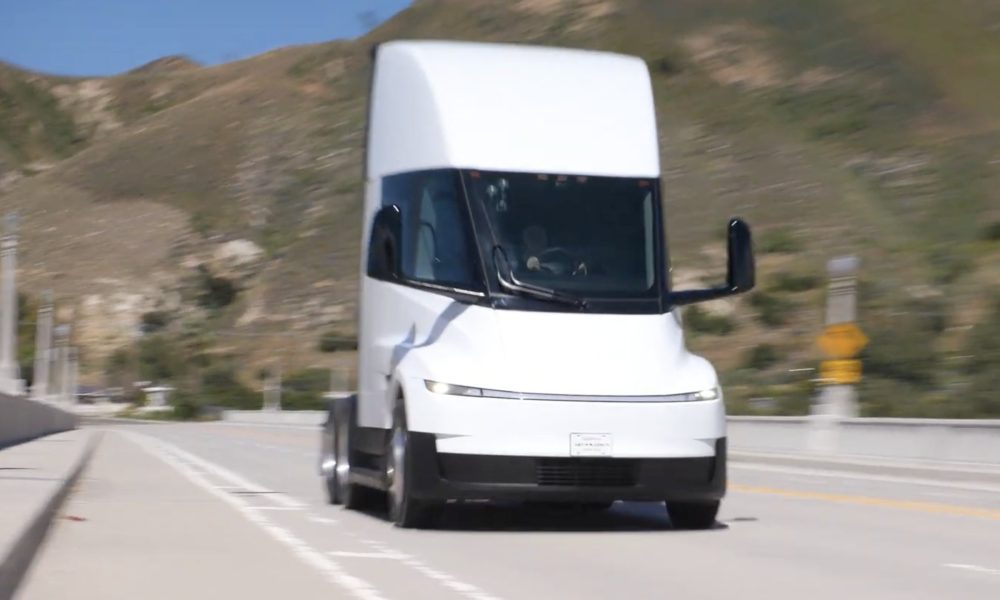
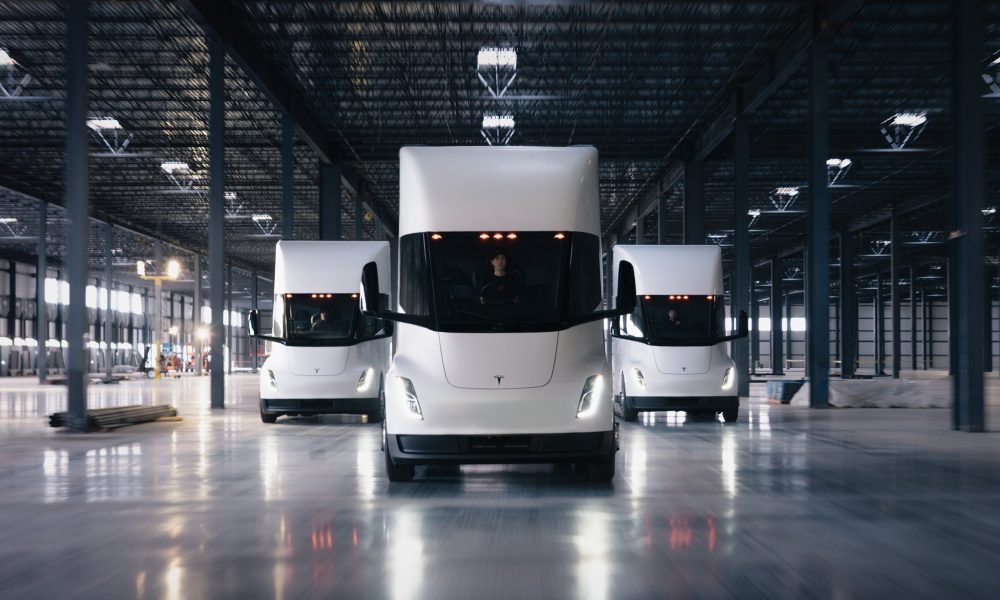
Tesla's long-haul electric future is officially crossing the Atlantic. Following the detailed blueprint for a North American Megacharger network to support its Class 8 Tesla Semi, the electric vehicle pioneer is now turning its strategic focus to Europe. Recent regulatory filings and corporate maneuvering indicate Tesla is laying the essential groundwork to deploy its high-power charging infrastructure for heavy-duty trucks across the continent, a critical move to unlock the Semi's potential in a key commercial market.
Strategic Corporate Moves Signal European Ambitions
The clearest signal comes from Tesla's recent establishment of Tesla Semi Truck Charging Europe BV, a new Dutch entity specifically dedicated to the charging infrastructure for heavy goods vehicles. This corporate filing, discovered in the Netherlands, is a classic Tesla tactic: creating a legal and operational vehicle to manage a large-scale infrastructure project. It mirrors the company's approach in North America and strongly suggests that European fleet operators can expect a coordinated rollout. This comes as major logistics firms like DB Schenker in Germany already operate a limited number of Semi trucks, creating immediate, real-world demand for a reliable charging backbone.
The Technical and Logistical Hurdles of a Continental Network
Building a network for the Semi in Europe presents unique challenges beyond those in North America. The continent's diverse grid capacities, varying national regulations, and complex land-use permissions require a highly localized strategy. The Megacharger, expected to deliver over 1 MW of power, demands immense grid connections. Furthermore, European trucking relies heavily on overnight depot charging, but cross-border routes will necessitate public high-power charging corridors. Tesla must navigate this mosaic of requirements while ensuring its technology complies with the Combined Charging System (CCS) standards mandated in Europe, potentially leading to a different hardware design than the proprietary connectors used in Tesla's initial North American plans.
The implications of a European Semi network extend far beyond Tesla's own trucks. A successful rollout would apply immense pressure on legacy truck manufacturers to accelerate their own electric roadmaps and charging partnerships. It would also serve as a powerful proof-of-concept for megawatt-scale charging, pushing utilities and governments to upgrade grid infrastructure to support the electrification of freight—a sector crucial for decarbonization goals.
For Tesla investors, this European groundwork reinforces the Semi's transition from a niche pilot project to a global product line with recurring revenue streams from both vehicle sales and energy delivery. For fleet owners and operators, it provides a tangible timeline to begin serious electrification planning, with the promise of a dedicated, high-throughput charging network mitigating the primary anxiety of uptime and range. The race to electrify freight is entering its most critical phase, and Tesla is securing its position at the starting line on both sides of the ocean.