The National Highway Traffic Safety Administration (NHTSA) has moved to the brink of a major regulatory action against Tesla, escalating its probe into the company's Full Self-Driving (FSD) system. The agency's investigation, now upgraded to an Engineering Analysis, represents the final stage of review before a potential recall is issued. This critical step casts a harsh spotlight on what regulators allege is a fundamental flaw in Tesla's driver-assistance technology: its performance in common, real-world conditions where visibility is compromised.
The Core of the Investigation: A System "Blinded" by the Everyday
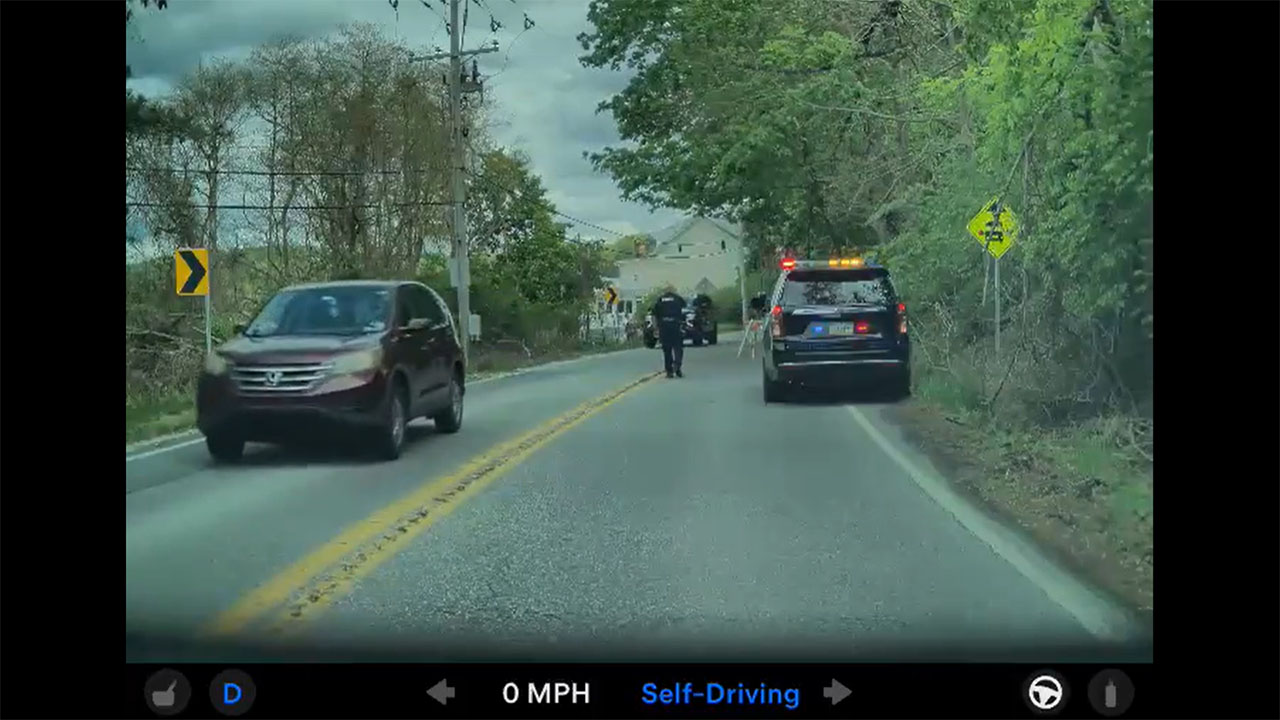
At the heart of the NHTSA's escalated probe is the assertion that Tesla's FSD system fails to adequately detect and respond to reduced visibility. The agency's analysis suggests the system's camera-based perception stack struggles with mundane environmental challenges like direct sun glare, fog, rain, and snow. More critically, the investigation indicates that the vehicle's degradation detection system—designed to alert the driver when camera performance is impaired—may not activate reliably under these conditions. This creates a scenario where the Autopilot or FSD software could continue operating with degraded sensing capabilities, potentially without the driver's knowledge, increasing the risk of a crash.
Under-Reporting and a Massive Vehicle Population
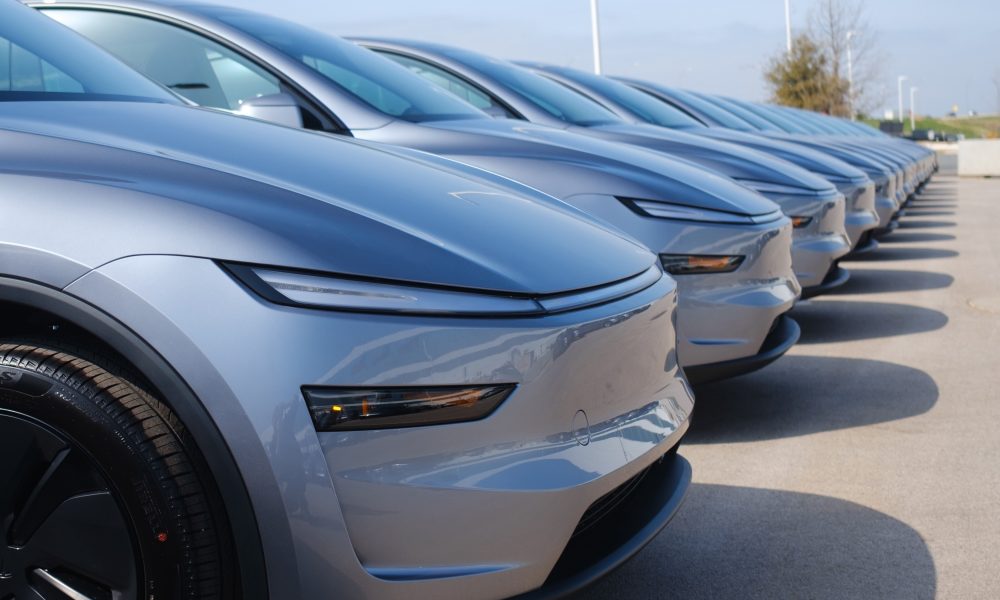
The NHTSA's move is bolstered by concerns that Tesla may be under-reporting crashes linked to these visibility-related system limitations. The Engineering Analysis now encompasses an estimated 3,203,754 vehicles—a staggering figure that includes nearly every Tesla equipped with the hardware for its driver-assistance suites, from the Model S to the latest Model Y. This scale underscores the potential breadth of the issue and the regulatory stakes involved. The probe's upgrade signals that the NHTSA has moved beyond preliminary data gathering and is now conducting an in-depth technical evaluation to determine if a safety defect exists, a process that directly informs the recall decision.
This investigation represents a significant challenge to Tesla's vision-based approach to autonomy, which forgoes technologies like lidar used by many competitors. While Tesla argues its camera-centric "Tesla Vision" is sufficient for full self-driving, regulators are now scrutinizing its performance against a fundamental variable: imperfect weather and lighting. The outcome could force a reckoning on the system's design philosophy and its reliance on driver vigilance as a backstop for environmental limitations the car itself may not properly recognize.
For Tesla owners and investors, the implications are immediate and substantial. A forced recall of this magnitude would not only be a logistical and financial undertaking but could also mandate a significant software update to improve camera degradation warnings or even limit FSD functionality in certain conditions. Such an outcome would impact consumer confidence and reignite debates about the system's marketing and capabilities. Investors will watch closely, as a negative finding could pressure the stock and influence the perceived timeline and viability of Tesla's autonomous driving ambitions, a key pillar of the company's long-term valuation.