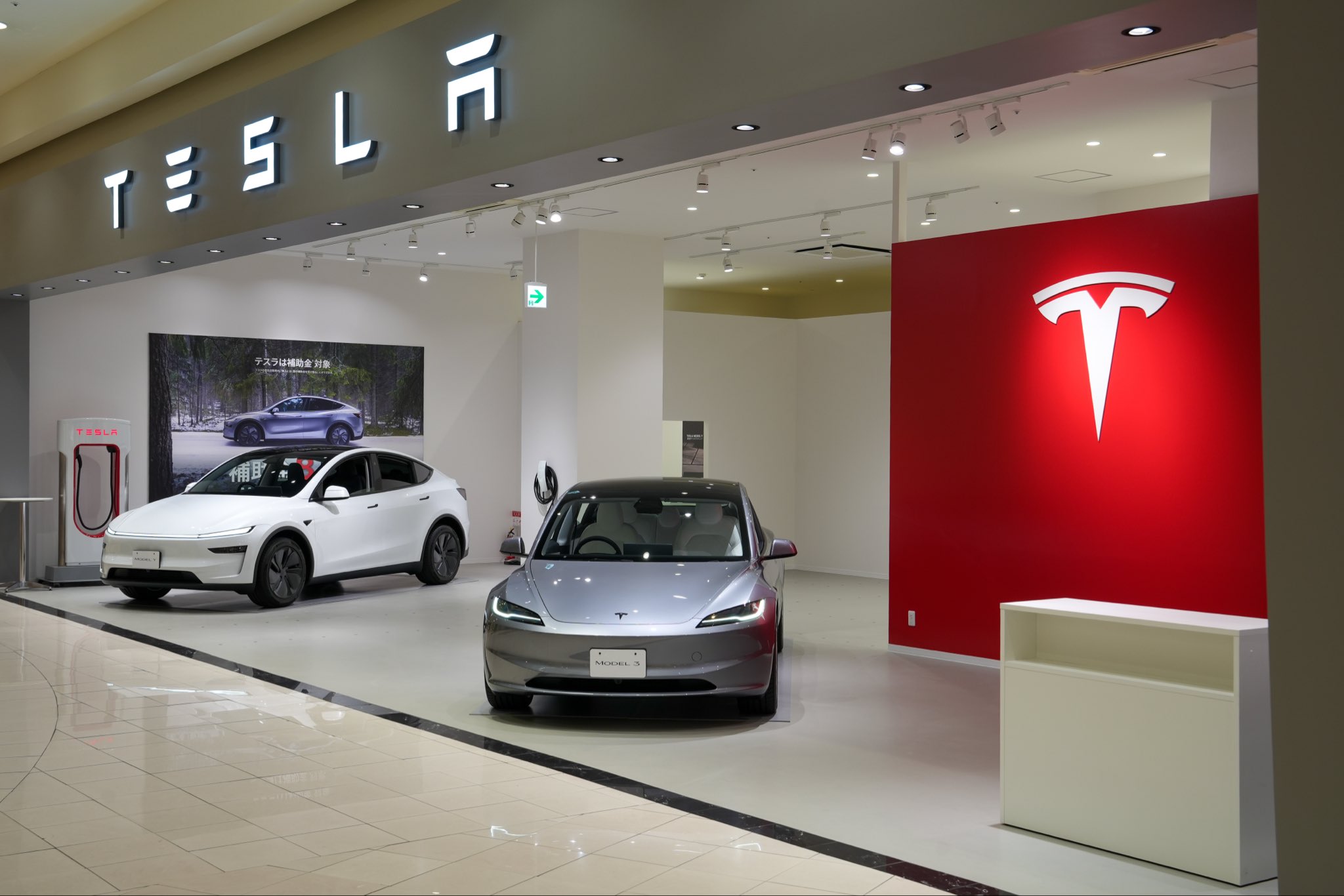
South Korea's electric vehicle market, long dominated by domestic giants, is witnessing a seismic shift as Tesla's imports surge to unprecedented levels. New registration data for early 2026 reveals the American automaker is not just participating in the country's EV boom but is actively driving it, capitalizing on shifting consumer preferences and a potent brand appeal that is resonating with Korean buyers.
A Market Transformed: Tesla's Registration Surge
According to the latest figures, Tesla's new registrations in South Korea have skyrocketed in the first months of 2026. This surge is a key component of a larger trend that saw imported EV registrations jump by over 40% year-over-year in February alone. While European brands are also seeing gains, Tesla's growth rate is notably steeper, suggesting a direct capture of market share. Analysts point to the recent local availability of the updated Model 3 and competitive pricing on the Model Y as immediate catalysts, making Tesla's offerings more accessible than ever in a price-sensitive market.
Beyond the Hype: The Drivers of Korean Demand
The reasons behind Tesla's accelerating momentum are multifaceted. Firstly, South Korea's robust EV subsidy program, which favors vehicles with high efficiency and competitive price points, continues to work in Tesla's favor. Secondly, the expansion of the company's own Supercharger network across the peninsula is systematically alleviating range anxiety, a critical barrier to adoption. Perhaps most importantly, Tesla's brand is increasingly synonymous with technological prestige in a nation that values innovation, attracting a demographic of early adopters and tech-forward consumers who were previously loyal to premium German marques.
This shift represents a significant challenge to the domestic hegemony of Hyundai and Kia. While these Korean automakers command immense loyalty and offer excellent electric vehicle products like the Ioniq and EV series, Tesla's surge indicates a segment of the market is actively seeking an alternative, globally-focused EV experience. The competition is now heating up on Tesla's terms—centered on software, charging ecosystem, and a direct-to-consumer sales model that bypasses traditional dealership networks.
Implications for Tesla and the Broader EV Landscape
For Tesla investors, the Korean success story is a powerful validation of the company's international strategy in a sophisticated, tech-savvy market. It demonstrates that demand is not plateauing in established regions but can be reignited and expanded with updated products and infrastructure. For current and prospective Tesla owners in South Korea, this growth promises an even more solidified ownership experience, with greater investment in service centers and charging infrastructure likely to follow the sales spike.
The broader implication is that South Korea is rapidly evolving into one of the world's most dynamic and competitive EV battlegrounds. Tesla's import surge proves that even in markets with strong domestic incumbents, a compelling product and ecosystem can rapidly alter the landscape. As the data from early 2026 confirms, Tesla is no longer just an imported novelty; it is a major and growing force in South Korea's electric future.