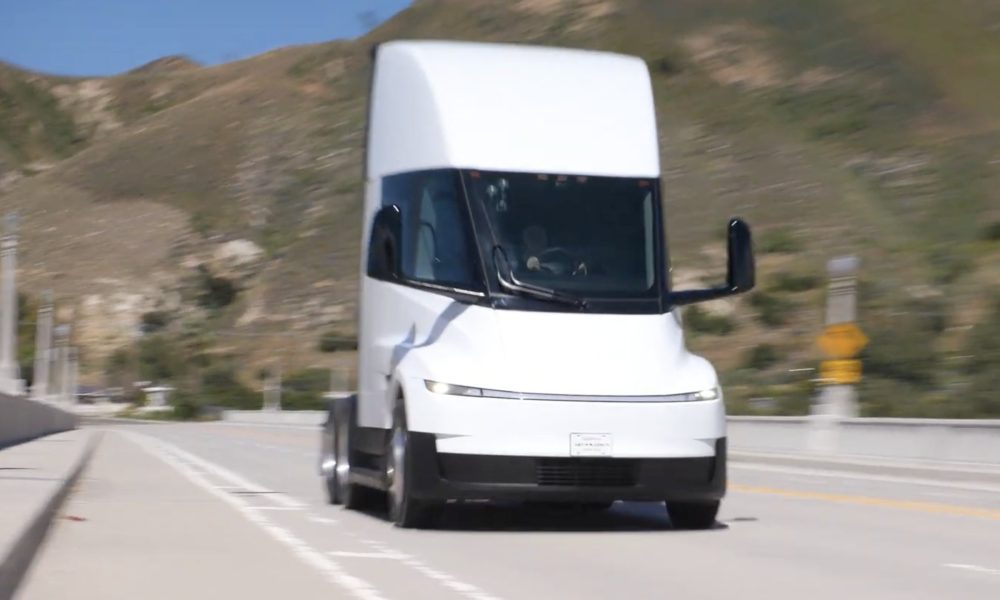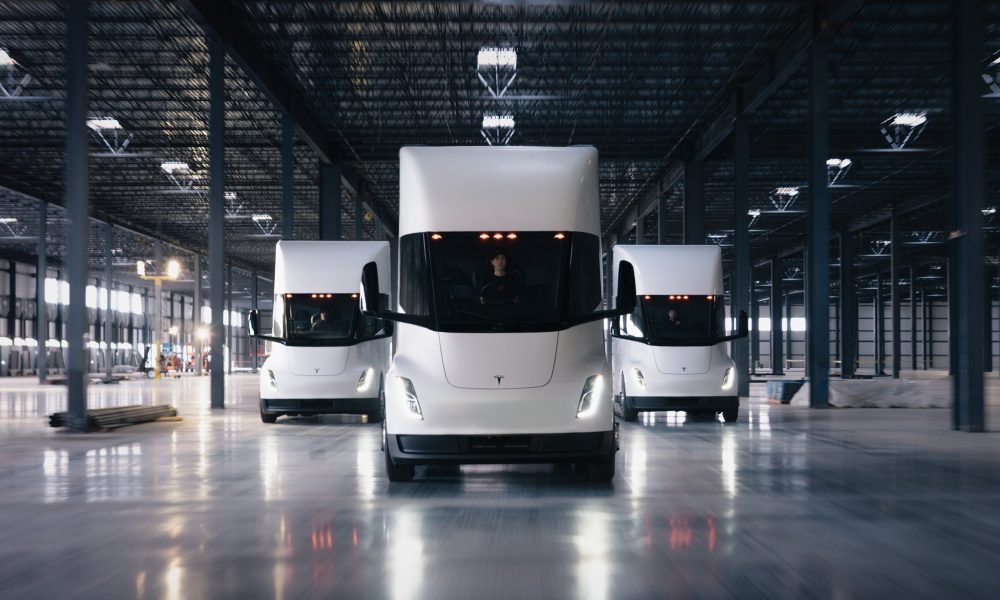
Tesla's long-awaited European expansion for its heavy-duty Semi truck appears to be moving from the drawing board to the deployment phase. A strategic new job listing for a Commercial Charging Business Development Lead in Europe, spotlighted by a senior Tesla executive, signals the company's intent to build the critical infrastructure needed to support fleet operators on the continent. This move suggests Tesla is preparing to transition the Semi from limited pilot programs with select clients to a broader market offensive, directly challenging established truck manufacturers in a key commercial vehicle arena.
Building the Backbone for a Fleet Revolution
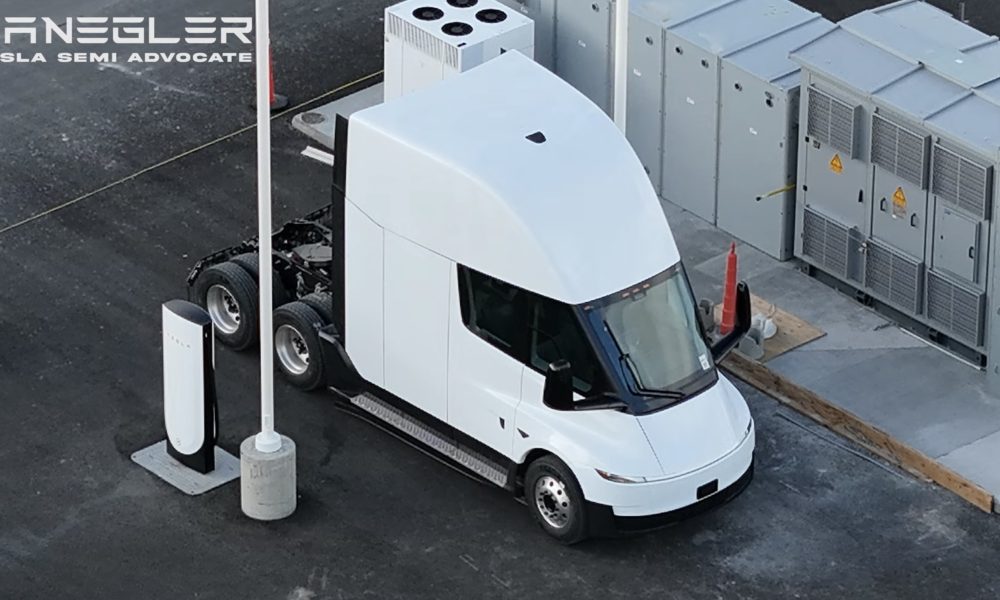
The newly advertised role, highlighted by David Forer, Senior Project Developer for Charging at Tesla on LinkedIn, is explicitly tasked with developing and executing the strategy for Tesla's commercial charging infrastructure across Europe. This isn't about expanding the consumer-focused Supercharger network; it's about creating a dedicated ecosystem for heavy goods vehicles. The successful candidate will be responsible for identifying high-traffic freight corridors, securing sites for Megacharger stations capable of rapidly replenishing the Semi's massive battery, and forging partnerships with logistics hubs and fleet operators. This groundwork is non-negotiable, as the commercial transportation sector requires guaranteed, high-power charging at strategic locations to ensure operational continuity.
From Pilot Programs to Pan-European Deployment
While Tesla has conducted limited Semi trials in Europe with partners like PepsiCo, a widespread launch has been contingent on a supportive charging network. The creation of a dedicated business development role indicates that the preparatory phase is accelerating. Tesla is likely gathering data from its early pilots to pinpoint the most viable routes and demand centers for initial rollout. The European market, with its stringent emissions targets and dense network of urban centers with low-emission zones, presents a ripe opportunity for electrified freight. Tesla's move positions the Semi as a solution for companies aiming to decarbonize their supply chains while potentially lowering long-term operating costs.
For Tesla investors, this development is a clear signal of the company's commitment to a multi-pronged vehicle strategy beyond passenger cars. The Semi represents a significant potential revenue stream in a high-value sector. For European fleet owners and operators, the concrete steps toward a Tesla charging network provide a more tangible pathway to electrification, offering a specific vehicle-and-infrastructure package from a single vendor. However, the success of this push will depend on the speed of Megacharger deployment, the final pricing and performance specifications of the European Semi variant, and its reception in a market with strong domestic truck brands. The hiring call is the starting gun; the race to electrify European freight is now entering a critical new lap.