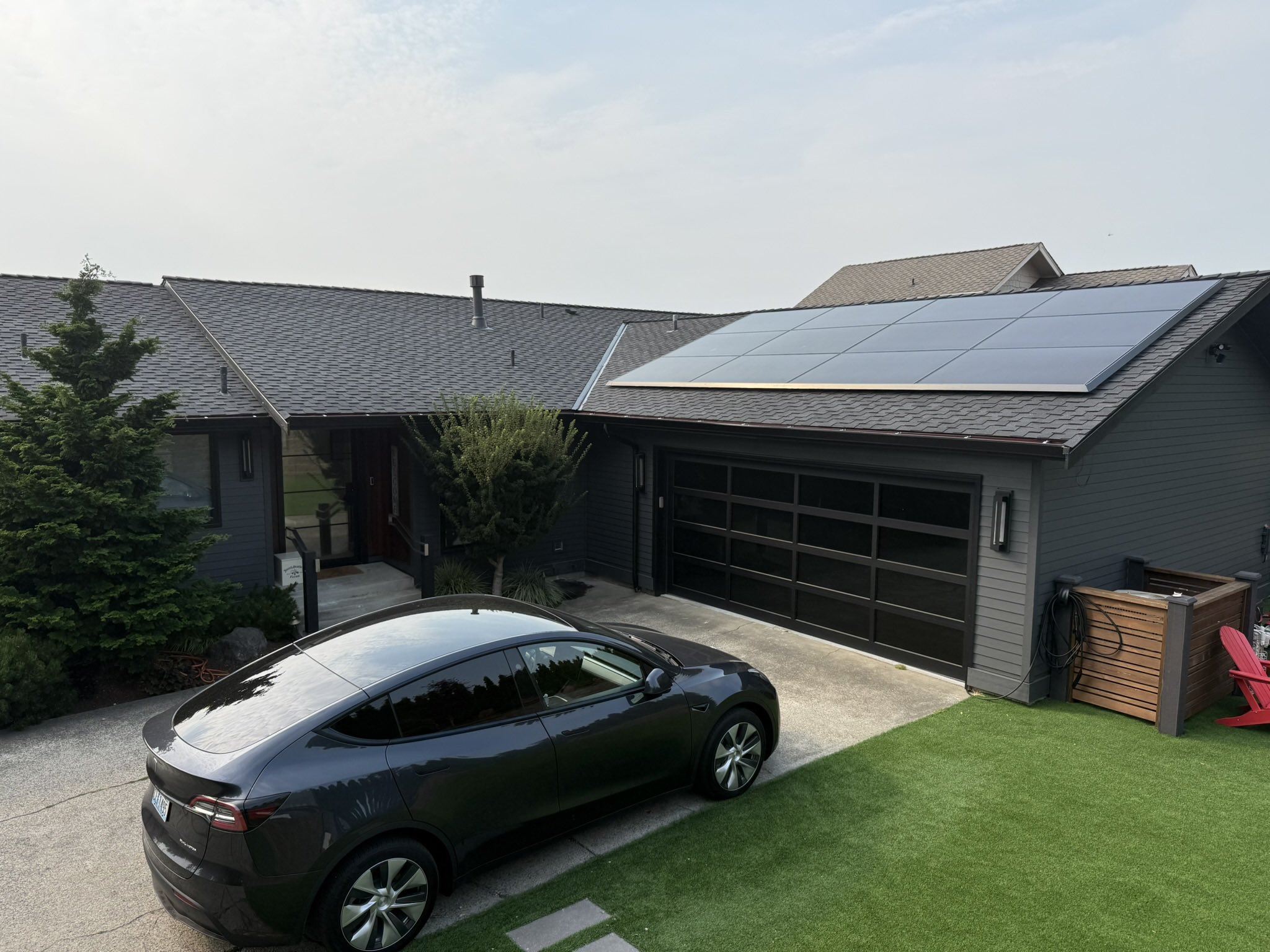
In a move that could fundamentally reshape the economics of electricity in America, a new coalition of tech and energy titans has formed with a staggering goal: to unlock over $100 billion in savings by tapping into the vast, unused potential of the existing power grid. The coalition, dubbed Utilize, brings together seemingly disparate leaders—Tesla, Google, and Carrier among them—to address a critical inefficiency. Their target is the grid's chronic underutilization, a problem they argue can be solved not by building more expensive infrastructure, but by intelligently managing the demand side of the energy equation.
The Staggering Cost of an Idle Grid
The core premise of the Utilize coalition is rooted in a surprising data point: the U.S. power grid operates at just 53% of its total capacity on average. This figure, from a Duke University analysis of 22 regional systems, reveals a system burdened by brief, predictable peaks in demand that dictate the need for massive, often fossil-fueled "peaker plants." These plants sit idle most of the time but represent a colossal capital investment and operational cost passed on to consumers. The coalition's analysis suggests that by smoothing out these demand peaks through smarter technology, the nation could defer or avoid over $100 billion in grid infrastructure spending over the next decade, directly lowering energy costs.
A Coalition Built on Distributed Technology
Utilize's strategy hinges on the coordinated power of distributed electric vehicle and home energy assets. This is where the founding members' synergy becomes clear. Tesla brings its ecosystem of EVs, Powerwalls, and solar systems; Google contributes its Nest thermostats and AI-driven energy management platforms; and Carrier provides its vast network of smart HVAC systems. Alongside partners like SPAN (smart panels) and Renew Home (virtual power plant software), the group aims to create a seamless network where millions of devices can momentarily reduce or shift their power consumption during grid stress, effectively creating "negawatts" of saved power.
The coalition will advocate for regulatory and market reforms that recognize and compensate this aggregated flexibility as a reliable grid resource. Their argument is that a virtual power plant comprised of a million smart thermostats or EV batteries is faster, cleaner, and more cost-effective than firing up a gas plant. This represents a paradigm shift from a centralized, supply-focused grid to a decentralized, dynamic, and participatory network where consumers' assets become key grid infrastructure.
Implications for Tesla Owners and Investors
For Tesla owners, the Utilize initiative signals a direct enhancement of their investment's value proposition. Participation in virtual power plant programs, already rolling out in select markets, is poised to become more widespread and lucrative. This means Tesla EV and Powerwall owners could see significantly higher earnings from grid services, turning their vehicles and home batteries into active income-generating assets while contributing to grid stability. For investors, the coalition underscores Tesla's strategic evolution beyond an automaker into a comprehensive energy and infrastructure player. By helping to define the rules of the future grid, Tesla is securing a central role in the energy ecosystem, potentially unlocking a massive, recurring software and services revenue stream tied to the utility sector.