In the high-stakes race to perfect autonomous driving, Tesla's controversial strategy has often been a lightning rod for skepticism. Now, a major Wall Street player is offering a significant, data-driven endorsement. Bank of America (BoA) has issued a bullish analysis, arguing that Tesla's pure vision, camera-only approach to Full Self-Driving (FSD) positions it not just as a competitor, but as a uniquely scalable and profitable future leader in the robotaxi arena.
The Scalability Advantage of a "Camera-Only" Vision
While most autonomous vehicle competitors rely on a costly suite of sensors—including lidar, radar, and ultrasonic systems—Tesla has bet its future on a vision-based neural network. Bank of America's analysts highlighted this divergence, noting that Tesla's path is "technically harder but much cheaper." This fundamental cost advantage is not merely about saving on hardware per vehicle; it's about the economic model for mass deployment. By avoiding expensive sensor arrays, Tesla's system is inherently more scalable, potentially allowing a future robotaxi service to achieve profitability thresholds that elude rivals burdened by higher upfront costs.
The Unrivaled Data Engine
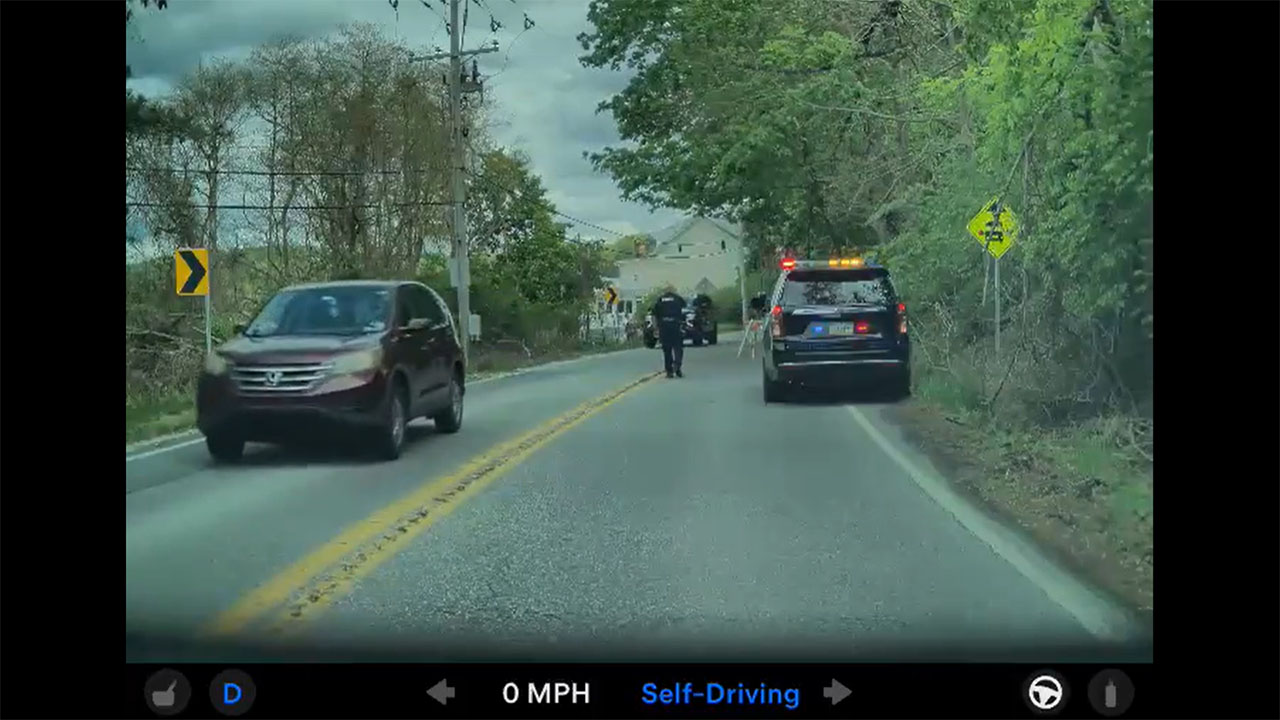
Technical difficulty is mitigated by data scale, and this is where Tesla's existing fleet creates a nearly insurmountable moat. Every Tesla equipped with FSD hardware contributes to a growing data engine of real-world driving scenarios, feeding the AI's continuous improvement cycle. BoA's report implicitly recognizes that this vast, real-time dataset—orders of magnitude larger than any closed-test fleet—is critical for training a robust autonomous system. It transforms millions of customer vehicles into a collective R&D platform, accelerating progress in a way no capital-intensive startup can match.
The implications of this analysis extend beyond engineering debates. For Tesla, a profitable, software-defined autonomy business represents a potential valuation multiplier far exceeding its core electric vehicle (EV) manufacturing. Success in this domain would pivot the company towards a recurring high-margin revenue stream from software subscriptions and robotaxi services, fundamentally altering its financial profile.
For Tesla owners and investors, BoA's endorsement underscores the latent value in the FSD suite they are helping to refine. Every mile driven contributes to the asset that Wall Street is beginning to price in more seriously. Investors should watch for key milestones in regulatory approvals and the operational launch of a dedicated robotaxi network, as these will be critical catalysts. Owners may find their vehicles' utility and residual value increasingly tied to the performance and regulatory green-lighting of the autonomous software they host, making Tesla's journey in autonomy a deeply personal investment for its customer base.