In a significant step for its global autonomous driving ambitions, Tesla's Full Self-Driving (Supervised) software could receive regulatory approval for use on Dutch roads as soon as next month. Elon Musk delivered this pivotal update during a recent interview at the company's Giga Berlin factory, signaling a potential European beachhead for the controversial yet technologically advanced driver-assistance system.
Musk's Berlin Announcement and the European Path
While celebrating production milestones at Tesla's German manufacturing hub, Musk shifted focus to software, revealing that Netherlands is "probably the closest" to granting approval for FSD (Supervised). This comment underscores a strategic, country-by-country approach to navigating the complex patchwork of European Union regulations. The Netherlands, with its progressive stance on technology and robust infrastructure, often serves as a testing ground for innovations within the bloc. A successful launch there would not only unlock a new market but also create a powerful case study for neighboring countries, applying pressure on their respective transport authorities to follow suit.
What FSD (Supervised) Approval Would Mean for Dutch Drivers
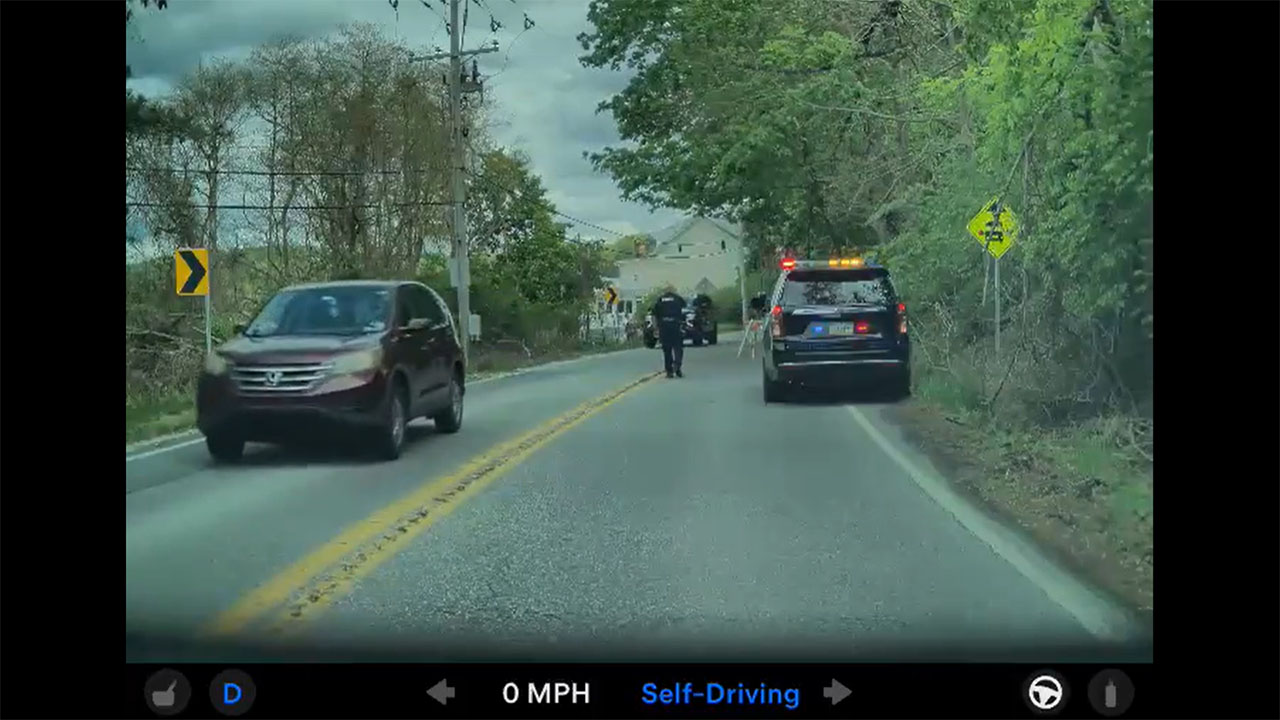
For Tesla owners in the Netherlands, approval would activate a suite of capabilities currently limited to North America. FSD (Supervised) is designed to navigate complex urban environments, make turns at intersections, and respond to traffic signals—all with the constant oversight of an attentive driver. It represents a quantum leap beyond the current Autopilot and Enhanced Autopilot features available in Europe. However, the "Supervised" designation is critical; drivers remain fully responsible for the vehicle, must keep their hands on the wheel, and be prepared to intervene instantly. The system's performance on Europe's unique, dense, and historic road networks will be closely scrutinized.
The regulatory journey is far from guaranteed. European authorities, particularly in Germany, have been intensely cautious about Tesla's branding and the real-world capabilities of its autonomous driving technology. Approval will hinge on demonstrating not just technical competence but also unambiguous communication to drivers about the system's limitations. Tesla will need to satisfy local regulators that its driver monitoring systems are robust enough for European highways and that its data handling complies with strict EU data privacy laws.
Broader Implications for Tesla and the EV Market
A green light in the Netherlands would be a watershed moment for Tesla's software-driven revenue model in Europe. It would open a new, high-margin subscription service for existing owners and potentially serve as a compelling sales feature for new vehicles. For investors, it would validate the monetization potential of Tesla's AI and software stack outside its home market, a key pillar of the company's long-term valuation thesis. Furthermore, it would intensify the competitive pressure on European automakers, who are racing to develop their own advanced driver-assistance systems but remain largely behind in real-world data accumulation and iterative software deployment.
For Tesla owners and investors, Musk's announcement is a clear signal to watch the Dutch regulatory space closely next month. Successful deployment would catalyze a re-rating of Tesla's software opportunity in Europe and likely accelerate the approval timeline in other key markets like Germany, France, and the UK. Conversely, any setback or delay would highlight the significant hurdles that remain for global autonomous tech regulation. The coming weeks will test not just a piece of software, but the very strategy for bringing a transformative—and tightly controlled—technology to the world's most cautious roads.