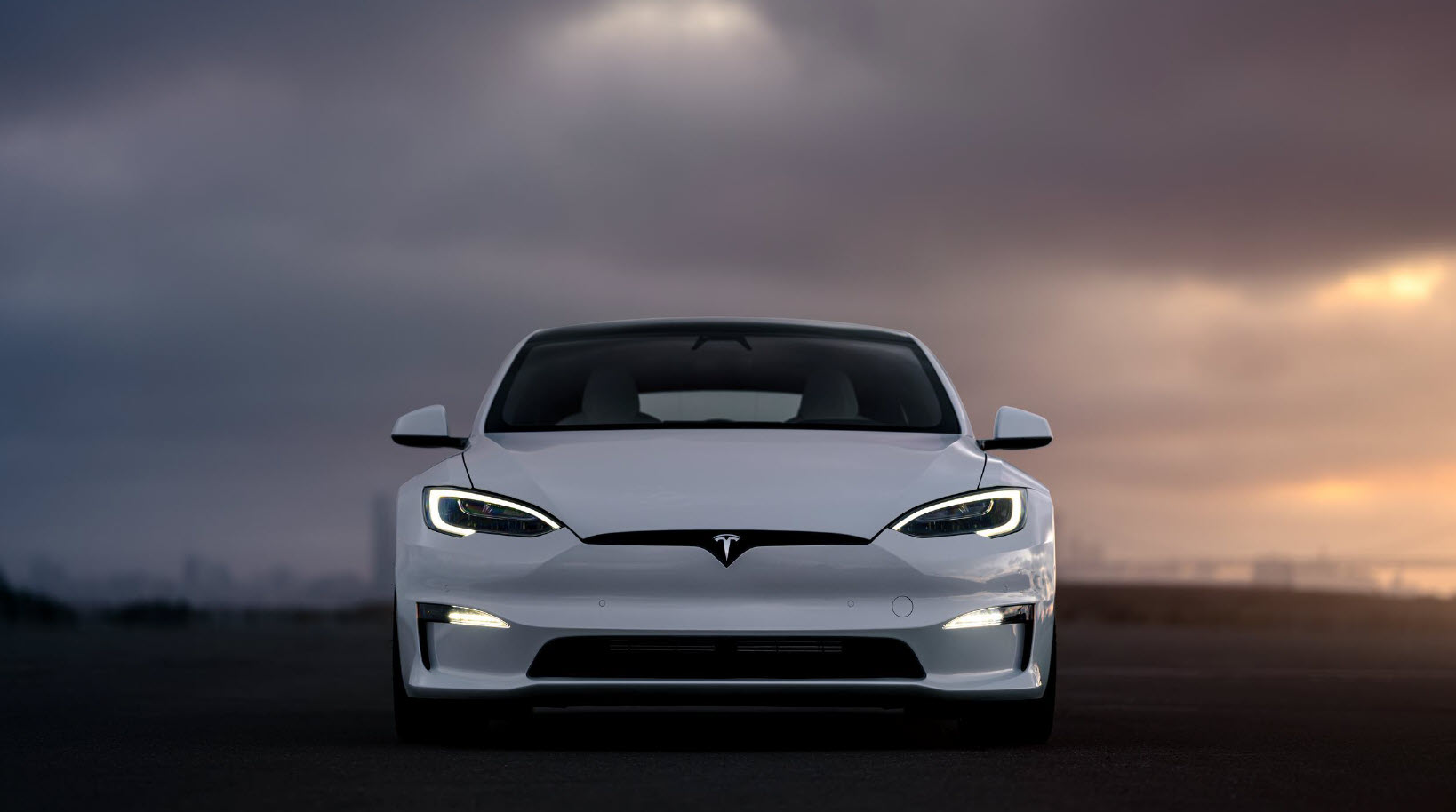
In a feat that blurs the line between ambitious software and tangible reality, Tesla's Full Self-Driving system has executed another flawless, unassisted transcontinental drive. A 2024 Tesla Model S equipped with the latest FSD Beta v12.3 software stack recently navigated from a parking lot in San Francisco to a charger in New York City, a journey of over 3,000 miles, without a single human disengagement. This marks the second documented zero-intervention coast-to-coast trip this month alone, signaling a potential inflection point in the capability and consistency of Tesla's controversial autonomous technology.
The Anatomy of an Autonomous Odyssey
The successful run, meticulously documented by the vehicle's owner, saw the FSD system handle an immense variety of driving scenarios endemic to American roads. From the complex, stop-and-go chaos of Los Angeles freeways to the high-speed monotony of Interstate 80 across the Great Plains, and finally into the aggressive merge patterns of the Northeast corridor, the software was in sole command. Critically, it managed notorious challenges like construction zones with temporary lane markings, unprotected left turns across busy urban traffic, and erratic behavior from other drivers. The system's performance, particularly in dense, unstructured environments, provides compelling real-world evidence of the neural network's improving judgment.
From Beta Buzz to Demonstrated Reliability
While Tesla has long touted the potential of FSD, these repeated long-distance successes move the narrative from promotional promise to repeatable performance. The fact that this is the second such journey in a matter of weeks is arguably more significant than the first, as it begins to address the core issue of reliability. It suggests the software is not achieving a one-off "lucky" drive but is demonstrating a base level of competence that can handle extreme distances. This shift is largely attributed to the end-to-end neural network architecture of FSD v12, which replaces hundreds of thousands of lines of hand-coded rules with a system that learns to drive by watching millions of video clips, much like a human.
However, industry analysts and autonomous vehicle experts are quick to provide crucial context. A controlled, point-to-point highway journey, even a very long one, represents a different challenge than operating a fully autonomous robotaxi in a dynamic city. The coast-to-coast drives primarily utilize limited-access highways, which are a more structured environment. The true test remains scaling this technology for millions of users in diverse, localized conditions every day, where edge cases are the norm, not the exception. Regulatory approval, not just technical prowess, remains the final gatekeeper.
Implications for the Tesla Ecosystem
For Tesla owners, these milestones are a strong validation of the company's often-criticized vision. Subscribers to the $199-per-month FSD package or owners who purchased the capability upfront can see a clearer path to the utility they were promised. Each successful drive adds data to Tesla's vast neural network, accelerating improvements that are pushed out via over-the-air updates. For investors, the repeated technical demonstrations bolster confidence in Tesla's AI and software moat, a key differentiator in the increasingly crowded EV market. It transforms FSD from a distant revenue line item into a tangible, improving asset that could eventually unlock the staggering economics of autonomous ride-hailing networks.
Yet, the road ahead is not without its curves. Tesla must now translate these engineered long-distance proofs-of-concept into statistically validated safety metrics that satisfy regulators. The company also faces the challenge of managing public perception and proper driver supervision, as the "full self-driving" moniker continues to invite misuse. Nevertheless, with each uninterrupted cross-country mile, Tesla is not just selling cars—it is methodically assembling a compelling case for a software-driven, autonomous future.