For years, the promise of Tesla's autonomous Robotaxi network has felt like a future reserved primarily for iPhone users, with Android support lagging conspicuously behind. That future is now being rewritten in real-time. A deep dive into the latest software version breakdown reveals that Tesla is not only building an Android-compatible Robotaxi application but is also developing Live Activities for Android, signaling a major strategic shift to embrace the world's largest mobile operating system.
Decoding the Software: A Clear Roadmap for Android
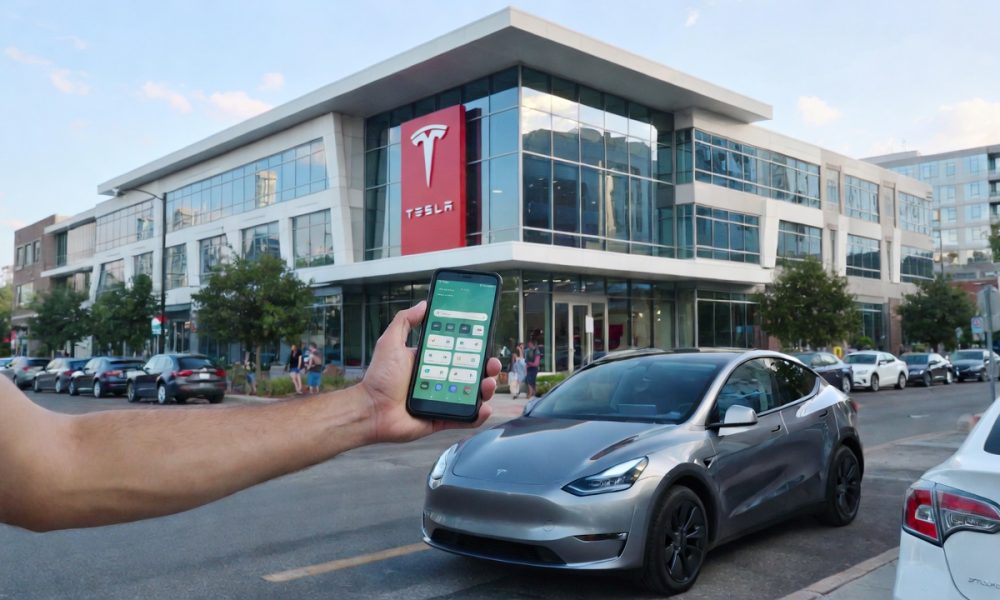
Analysis of the code within Tesla's recent software updates provides the most concrete evidence yet of the company's Android ambitions. Developers have identified specific references and frameworks dedicated to an Android-compatible version of the Robotaxi app. This isn't mere speculation; it's active, in-progress development. The inclusion of Live Activities support is particularly telling, as this feature would allow Android users to track their summoned vehicle's arrival time and status directly from their lock screen—a seamless integration that matches functionality long enjoyed by iOS users. This move directly addresses a significant user experience gap and expands the potential customer base for the future service exponentially.
Why This Strategic Pivot Matters
Tesla's earlier focus on iOS made sense from a development efficiency standpoint, but it neglected a massive global market. Android holds over 70% of the global mobile OS market share. For a service like Robotaxi, which aims for ubiquitous, on-demand availability, limiting access to a minority platform was a glaring strategic bottleneck. By prioritizing full Android compatibility now, Tesla is laying the essential groundwork for a truly scalable network. It ensures that when the regulatory gates open for fully autonomous ride-hailing, the app will be ready to deploy to the smartphones of billions of potential riders worldwide, not just a fraction.
The development of Live Activities is a critical piece of this puzzle. A smooth Robotaxi experience hinges on convenience and trust; a rider needs to know their car has arrived without constantly refreshing an app. This lock-screen functionality reduces friction and builds confidence in the system. It demonstrates that Tesla understands the rollout isn't just about the core driving technology, but about the entire digital customer journey—from summon to payment.
Implications for Tesla Owners and Investors
For Tesla owners anticipating the monetization of their vehicles through the Robotaxi network, this is unequivocally positive news. A broader addressable market means higher potential utilization rates for every participating vehicle, directly impacting the projected revenue and profitability of the network. For investors, this development is a tangible sign of operational maturity, showing Tesla is methodically addressing the software and ecosystem prerequisites needed to turn a futuristic vision into a commercial reality. It mitigates a key risk—platform exclusivity—and strengthens the long-term investment thesis around Tesla's mobility-as-a-service ambitions.
While a public launch date for the Robotaxi service remains tied to achieving full self-driving capability and regulatory approval, this update confirms the supporting infrastructure is being built with a global, inclusive mindset. The future of autonomy, it seems, will be powered by both iOS and Android.