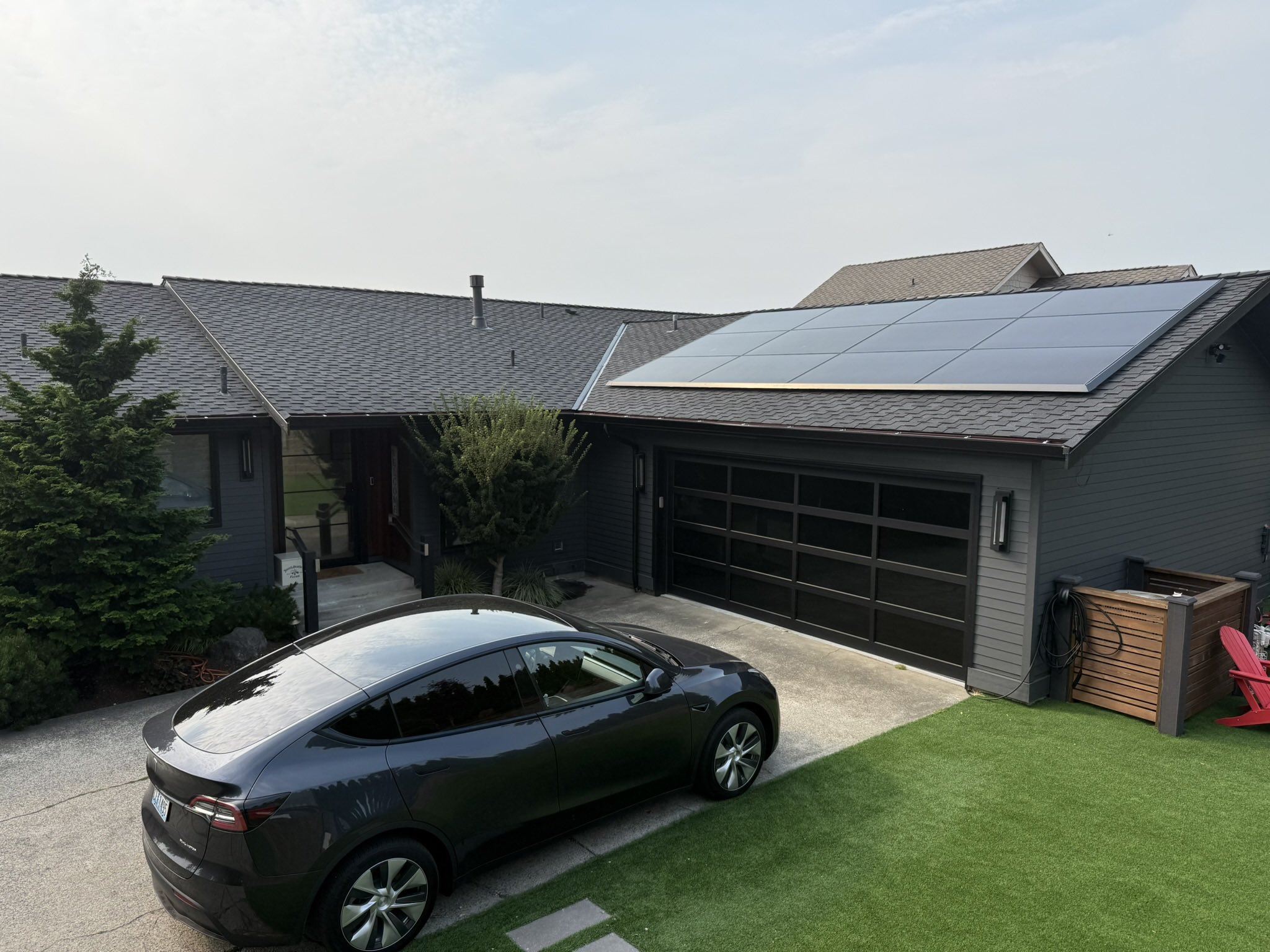
In a bold strategic move that could reshape the British energy landscape, Tesla has officially been granted the right to sell electricity directly to UK consumers. The company's subsidiary, Tesla Energy Ventures, has secured a crucial supply licence from the national regulator, Ofgem, clearing the final administrative hurdle to become a full-fledged energy provider. Effective March 11, this licence empowers Tesla to supply power to households and businesses across England, Wales, and Scotland, marking the culmination of a persistent six-year effort to enter the market.
From Powerwall to Power Provider: A Strategic Evolution
This licence is far more than a new revenue stream; it represents the logical endpoint of Tesla's integrated energy ecosystem. For years, UK customers have been able to purchase Powerwall home batteries, solar panels, and EV chargers. Now, Tesla can bundle these hardware products with the electricity itself, creating a seamless, vertically integrated service. This mirrors the successful model pioneered by Tesla Electric in Texas, where the company leverages its vast network of Powerwall batteries—forming a distributed "virtual power plant"—to buy and sell electricity dynamically, offering competitive rates and grid stability services.
Navigating Public Scrutiny to Secure Approval
The path to approval was not without its challenges. Ofgem's decision came despite thousands of public comments lodged in opposition to Tesla's application. While the specific concerns were not detailed in the ruling, such resistance often stems from apprehensions about market dominance by a large multinational or data privacy issues. The regulator's green light indicates Tesla satisfied all stringent legal and financial requirements to operate, underscoring the company's commitment to navigating complex regulatory environments to achieve its long-term energy ambitions.
For the UK's energy sector, Tesla's entry is a disruptive force. It arrives at a time of heightened consumer sensitivity towards both price volatility and carbon footprint. Tesla's potential to offer innovative tariffs—such as ultra-low overnight rates for electric vehicle charging or rewards for Powerwall owners who support the grid—could pressure incumbent suppliers to innovate. It also accelerates the transition toward a more flexible, decentralized grid where millions of home batteries and EVs become critical assets for balancing renewable energy sources.
For Tesla owners and investors, the implications are profound. Owners of Tesla's energy hardware gain a potential first-choice provider that understands and can optimize their unique consumption patterns, potentially lowering energy costs and maximizing self-consumption of solar power. For investors, this move deepens Tesla's identity beyond automotive manufacturing into a comprehensive sustainable energy company. It creates a recurring revenue stream with high-margin potential and strengthens the competitive moat around its ecosystem, making Tesla products more valuable as part of a unified, intelligent whole.