In a strategic move that could reshape the competitive landscape of the UK energy market, Tesla has secured a critical license to become a fully-fledged electricity supplier. The nation's energy regulator, Ofgem, has granted the license to Tesla Energy Ventures Ltd., empowering the company to sell power directly to British homes and businesses. This landmark approval, following a rigorous seven-month review, marks Tesla's official transition from a hardware provider to a comprehensive energy services player on a major international stage.
From Powerwalls to Power Plans: Tesla's Energy Ambition
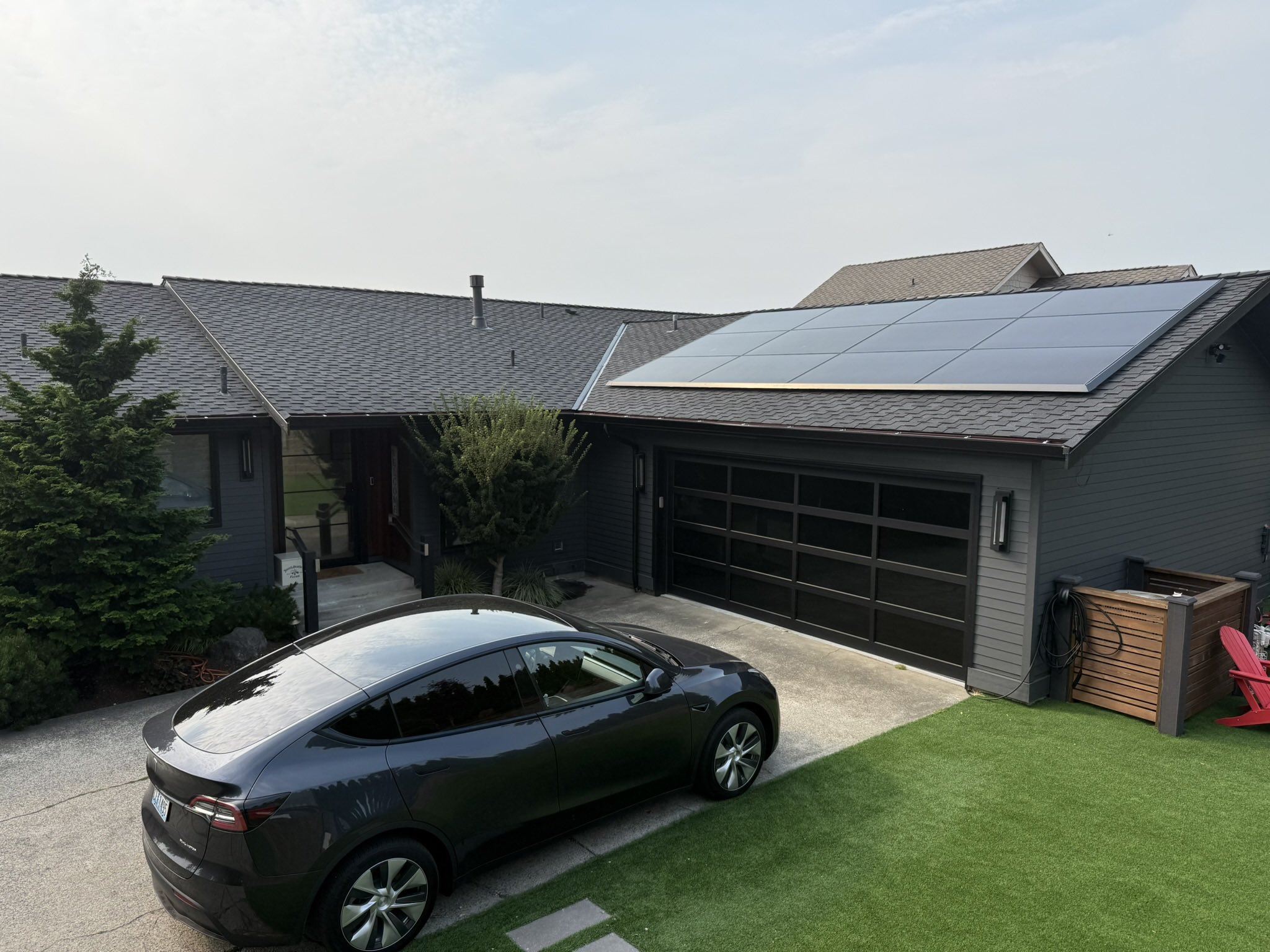
The license is far more than a bureaucratic formality; it is the foundational key to unlocking Tesla's integrated energy ecosystem. Until now, UK customers could purchase Tesla's Powerwall home batteries and solar products, but the energy flowing through them had to come from a traditional utility. This new authorization allows Tesla to bundle its hardware with its own electricity tariffs, creating a seamless, all-in-one package. The vision is a closed-loop system where a Tesla solar roof generates power, a Powerwall stores it, and Tesla itself supplies and manages any supplemental grid energy needed, all through a single interface in the Tesla app.
Disrupting the UK's Energy Status Quo
Tesla's entry comes at a pivotal time for the UK energy sector, which has been characterized by volatile prices and a drive toward greater grid stability and renewable integration. By leveraging its fleet of distributed Powerwall and Megapack installations, Tesla can potentially offer unique demand-response services. The company could aggregate thousands of home batteries to form a "virtual power plant," supplying stored energy back to the national grid during peak demand periods. This capability not only provides a valuable grid-balancing service but could also form the basis of innovative, dynamic pricing plans for customers willing to participate.
The implications for Tesla owners and investors are significant. For UK customers, the promise is one of greater control, potential cost savings, and a streamlined energy experience fully integrated with their EV and home storage. It represents a compelling value proposition that could accelerate the adoption of Tesla's energy products. For investors, this move underscores that Tesla Energy is evolving into a mature, revenue-generating business line with a clear path to monetizing its hardware ecosystem. Success in the UK could serve as a blueprint for similar regulatory pushes in other key markets, further solidifying Tesla's identity not just as an electric vehicle leader, but as a dominant, vertically-integrated sustainable energy company.