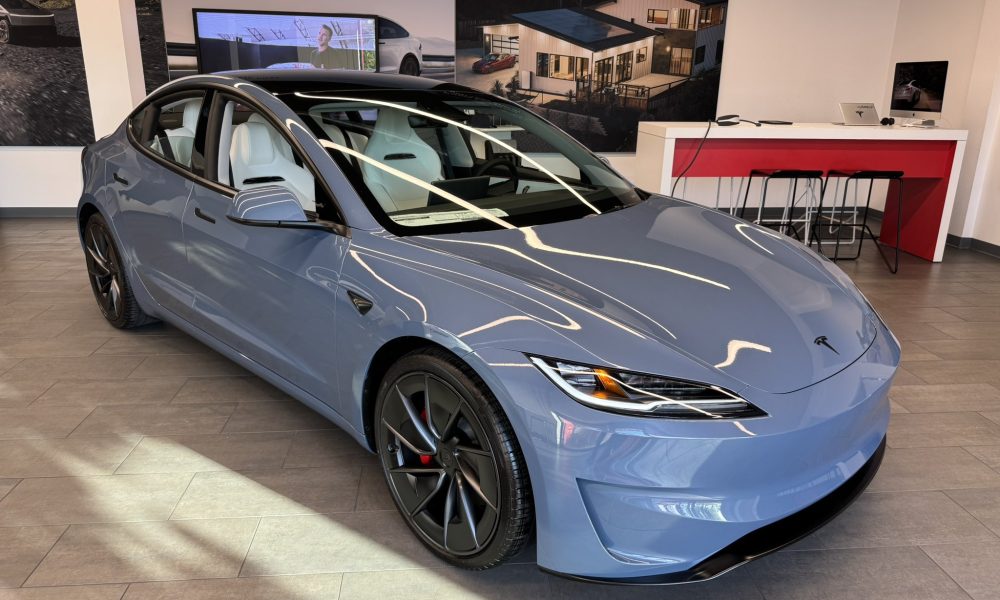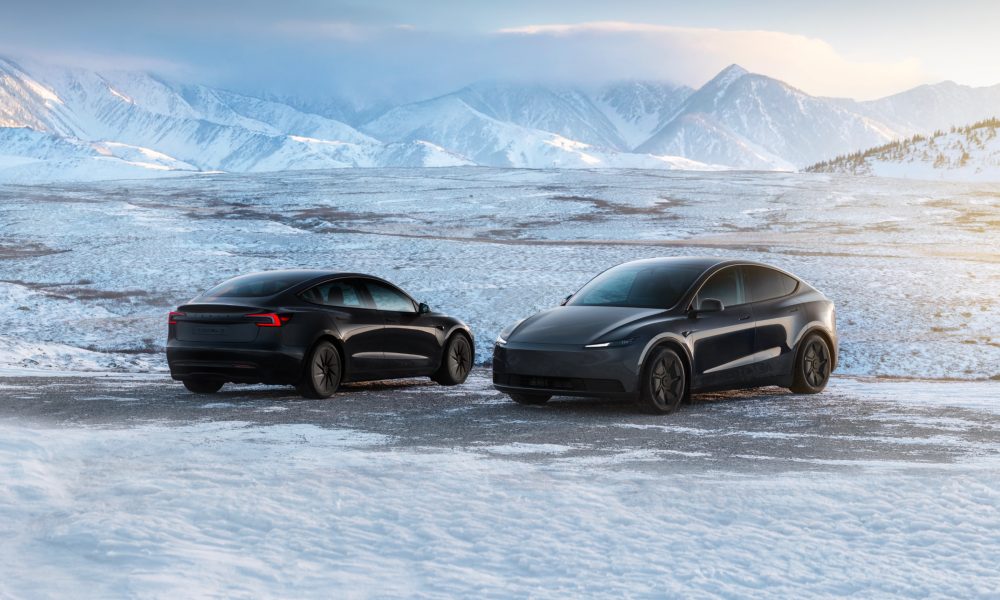
In the fiercely competitive electric vehicle market, customer satisfaction is the ultimate litmus test for a brand's success. The latest JD Power 2024 U.S. Electric Vehicle Experience (EVX) Ownership Study delivers a powerful verdict: Tesla continues to set the benchmark, with its core models decisively outperforming a field of premium rivals. This commanding performance underscores Tesla's enduring appeal beyond mere sales figures, highlighting deep-seated owner approval in the real world.
Model 3 and Model Y: The Unbeatable Duo
Tesla's dominance is crystal clear in the study's rankings. The Tesla Model 3 emerged as the highest-ranking EV overall, achieving an impressive score of 804 on a 1,000-point scale. It was closely followed by its sibling, the Tesla Model Y, which scored 797. This one-two finish is particularly significant as these are Tesla's highest-volume, most accessible vehicles, proving that satisfaction isn't limited to low-production luxury models. The results suggest that Tesla's continuous over-the-air updates, expansive Supercharger network, and streamlined ownership experience continue to resonate powerfully with a broad customer base.
The Premium Competition Lags Behind
While legacy automakers are pouring billions into their EV portfolios, the JD Power study indicates they still have ground to cover in matching the Tesla ownership experience. The closest competitors were from BMW, with the BMW i4 scoring 795 and the BMW iX at 794—respectable figures, but notably trailing both Tesla models. This gap, even if narrow in points, is telling. It reflects challenges competitors face in areas like public charging ease, software integration, and overall cost of ownership, which are critical components of the JD Power evaluation.
The study measures satisfaction across ten key factors, including charging cost, driving enjoyment, and vehicle quality and reliability. Tesla's strength is not monolithic; it is built on excelling in several of these pillars simultaneously. The company's direct-to-consumer sales model avoids dealership hassles, its infotainment and software are industry-leading, and its dedicated fast-charging infrastructure remains a colossal advantage. For many owners, these elements coalesce into a seamless and technologically forward experience that traditional brands struggle to replicate.
Implications for Tesla Owners and Investors
For current and prospective Tesla owners, this ranking is a strong validation of their investment. It reinforces that the ownership proposition extends beyond environmental benefits or acceleration, encompassing day-to-day satisfaction and lower pain points. For investors, the data is a robust counter-narrative to frequent media focus on quality concerns or competitive threats. Sustained leadership in customer satisfaction translates directly into brand loyalty, higher resale values, and a powerful word-of-mouth marketing engine that money cannot buy. As the EV market matures, this customer-centric moat may prove to be Tesla's most durable advantage, ensuring its models remain the benchmark against which all others are measured.