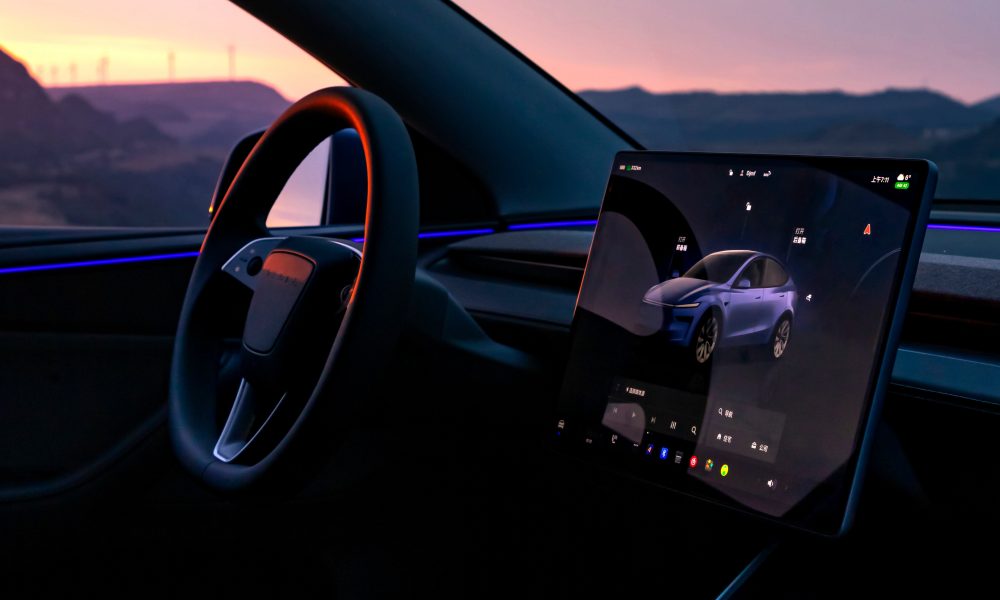
In a move that highlights the intricate dance of software integration between tech giants, Tesla has reportedly paused the imminent rollout of Apple CarPlay to its vehicles. The delay, confirmed by sources familiar with the development, stems from a last-minute compatibility snag with Apple Maps data. While the setback is temporary, it underscores the complexity of merging two of the world's most sophisticated software ecosystems directly into the driving experience.
The Core of the Conflict: Navigation Data Integrity
The primary technical hurdle involves how Apple Maps routing and location data is displayed and processed within Tesla's native infotainment system. Tesla's interface, renowned for its seamless integration of navigation, battery management, and Supercharger network data, requires Apple's system to adhere to its strict performance and visual standards. The issue is not about CarPlay functioning at a basic level, but ensuring that the mapping experience—a core component of the driver's interface—is flawless, responsive, and maintains the high-fidelity user experience Tesla owners expect. This careful negotiation between Apple's ecosystem and Tesla's vertically integrated platform is the final box to check.
A Strategic Partnership, Not Just a Feature
This development confirms that Tesla and Apple engineers have been collaborating for several months to bring CarPlay to life on the Tesla display. This is a significant strategic shift. For years, Tesla has resisted third-party smartphone projection standards, betting on the superiority of its own software. The decision to integrate CarPlay signals an acknowledgment of overwhelming customer demand and the reality that smartphone connectivity is a key purchasing factor, even in a vertically integrated EV. The collaboration suggests a mutual respect between the companies, focusing on delivering a polished product rather than a rushed, half-baked implementation.
For Tesla owners, the short delay is a minor frustration for a major win. The arrival of CarPlay will grant seamless access to iMessage, Apple Music, Podcasts, and a suite of third-party audio and navigation apps directly through the Tesla's expansive screen. It addresses one of the few consistent criticisms of Tesla's otherwise praised infotainment system. For investors, this move is a positive signal of Tesla's growing customer-centric agility in software. Successfully integrating such a demanded feature without compromising its system's integrity could strengthen brand loyalty and potentially attract a segment of iPhone-loyal customers who previously hesitated on a Tesla purchase due to the lack of this connectivity.