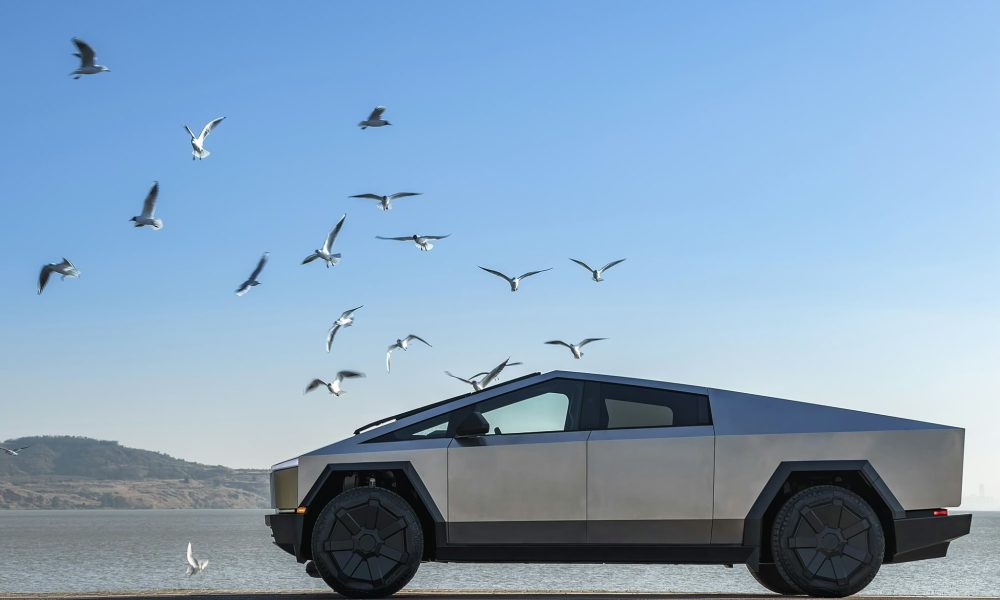
A new lawsuit against Tesla doesn't just target its driver-assistance technology; it takes the extraordinary step of aiming directly at the company's most famous employee. A Texas woman is suing the automaker for over $1 million after her Tesla Cybertruck, engaged with Autopilot, allegedly attempted to drive straight off a Houston overpass, crashing into a concrete barrier. The legal filing includes a striking and unconventional accusation: that Tesla was negligent in hiring and retaining Elon Musk as its CEO, arguing his public statements have dangerously misled customers about the capabilities of the company's Full Self-Driving (FSD) systems.
A Legal Avalanche Gains a New, Pointed Dimension
The case, filed in Harris County District Court$243 million verdict against Tesla in a separate fatal Autopilot crash case. This new lawsuit leverages that precedent but introduces a novel legal theory by directly linking Musk's prolific public communications—often made on his platform, X—to corporate liability. The plaintiff's attorneys argue that Musk's repeated bullish and absolute statements about the imminent arrival of "true" self-driving technology constitute a pattern of negligence that the company's board has failed to curb.
Beyond Software: Allegations of Corporate Governance Failure
While the core of the complaint involves the Cybertruck's alleged failure to navigate the overpass and avoid a stationary object—a known challenge for current Tesla systems—the inclusion of the "negligent retention" claim broadens the battlefront. This tactic frames the issue not merely as a software glitch but as a fundamental failure of corporate oversight. The lawsuit contends that Tesla, by allowing Musk to continuously make "deceptive" claims that overstate FSD's capabilities, has created a culture of permissiveness that directly endangers customers. This transforms the case from a product liability dispute into a potential referendum on executive accountability and the real-world consequences of Musk's promotional style for the electric vehicle brand.
The legal strategy underscores a mounting frustration among plaintiff attorneys with Tesla's primary defense: that drivers are ultimately responsible for supervising its systems. By targeting Musk's role, the suit attempts to undermine the argument that warnings in the vehicle's manual are sufficient, suggesting instead that the CEO's very public persona actively works to counteract those cautions, fostering a false sense of security.
Implications for Tesla's Road Ahead
For Tesla owners and investors, this lawsuit signals an intensification of legal and reputational risk. Another high-profile crash involving a flagship product like the Cybertruck keeps public and regulatory attention firmly fixed on the gap between marketing and the reality of driver-assist tech. The direct attack on Musk's role is particularly consequential, potentially inviting more lawsuits to employ similar tactics and putting pressure on Tesla's board to more formally distance corporate communications from the CEO's personal statements. Every new case adds ammunition for federal safety investigations, which could lead to costly recalls or mandated software changes.
Financially, while a single $1 million suit may not materially impact Tesla, the cumulative effect of an "avalanche" of litigation poses a significant threat. Mounting legal costs and the potential for more massive verdicts create a persistent overhang. For owners, the outcome of these cases could shape the future evolution—and possible limitation—of the FSD features they paid for, while investors must weigh the growing liability against the company's ambitious valuation and its bet on autonomy as its ultimate profit engine.