The unveiling of the Tesla Cybercab isn't merely another product launch; it is a declaration of war on conventional automotive manufacturing. Elon Musk's latest gambit hinges on a single, staggering premise: to scale production of this dedicated robotaxi to millions of units annually, a move that would require Tesla to effectively quintuple its current production capacity within the next few years. This isn't just about building a new electric vehicle; it's about reinventing the factory itself to achieve a velocity of manufacturing the industry has never seen.
The Manufacturing Revolution: Beyond the Unboxed Process
While Tesla's "unboxed" manufacturing strategy, previewed with the Model Y production revamp, increases speed by assembling large sub-modules in parallel, the Cybercab project demands something more radical. Industry analysts speculate this will involve extreme levels of integration, potentially casting large sections of the vehicle's structure as single pieces to eliminate thousands of parts and assembly steps. The goal is a production line that moves with unprecedented simplicity and speed, turning the traditional, complex assembly process into something closer to a high-volume electronics product. This manufacturing leap is the non-negotiable enabler for Musk's volume ambitions.
The Core Bet: Software Scaling Meets Hardware Hypergrowth
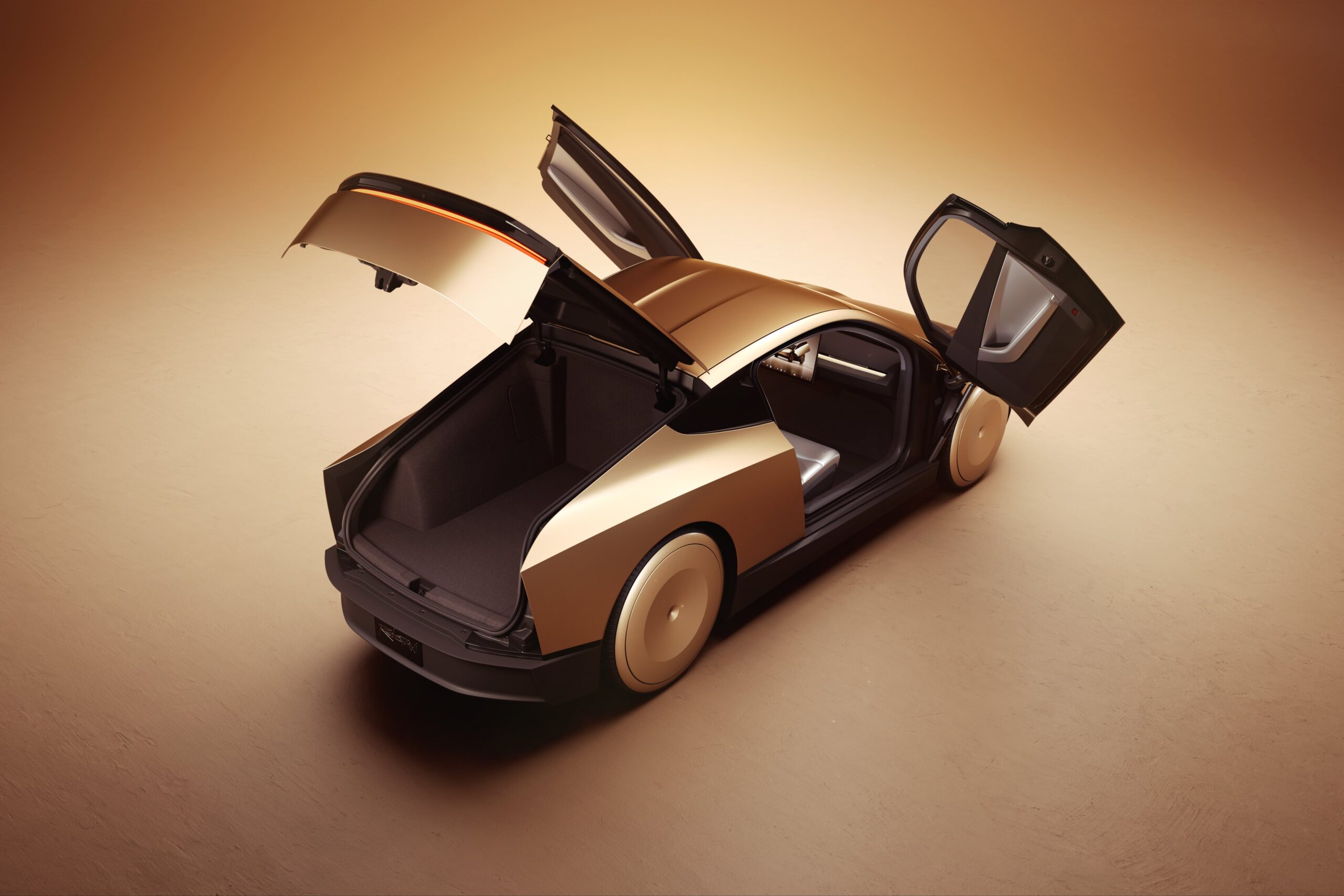
This strategy represents a profound dual bet. First, Tesla is wagering that its Full Self-Driving (FSD) software will achieve true unsupervised autonomy at a reliability level safe for a commercial robotaxi service. Second, and equally critical, is the bet that Tesla's manufacturing team can design and deploy a production system capable of building these specialized vehicles at a cost and pace that makes the network economics work. The Cybercab is designed to be a utilitarian mobility pod, stripping away traditional driver controls and comfort features to optimize for durability, uptime, and lowest possible cost per mile. Its success is entirely dependent on both software and hardware scaling in lockstep.
The implications of failure are significant, but the potential rewards are transformative. If Tesla falls short on autonomous driving validation or encounters "production hell" at a new order of magnitude, it could face immense capital strain and strategic setback. However, achieving even a fraction of the proposed scale would disrupt global transportation, create a formidable new revenue stream from mobility services, and potentially render the economics of personal car ownership obsolete for dense urban areas. It would cement Tesla's identity as a technology and AI company first, and a carmaker second.
For Tesla investors, the Cybercab is the ultimate high-risk, high-reward proposition. It demands massive capital expenditure in new manufacturing technology years before the autonomous software—and more critically, regulatory approval—is fully realized. For owners, the near-term impact may be a renewed focus on FSD refinement as the company's core AI product, while longer-term, it promises the advent of a personal or on-demand robotic fleet that could significantly enhance the utility and value of their Tesla assets. The Cybercab isn't just a new vehicle; it's the physical manifestation of Tesla's most ambitious—and make-or-break—vision.