After years of speculation and a dramatic unveiling, the future of autonomous mobility is no longer a concept confined to investor presentations. The Tesla Cybercab has officially moved from prototype validation to real-world, public street testing, a critical milestone that coincides with the vehicle entering the mass production queue at Giga Texas. This dual-track progression—ramping testing while gearing up manufacturing—signals a decisive and aggressive push by Elon Musk to deliver on the cornerstone promise of the Tesla Robotaxi network.
From Giga Texas to Public Roads: The Testing Surge
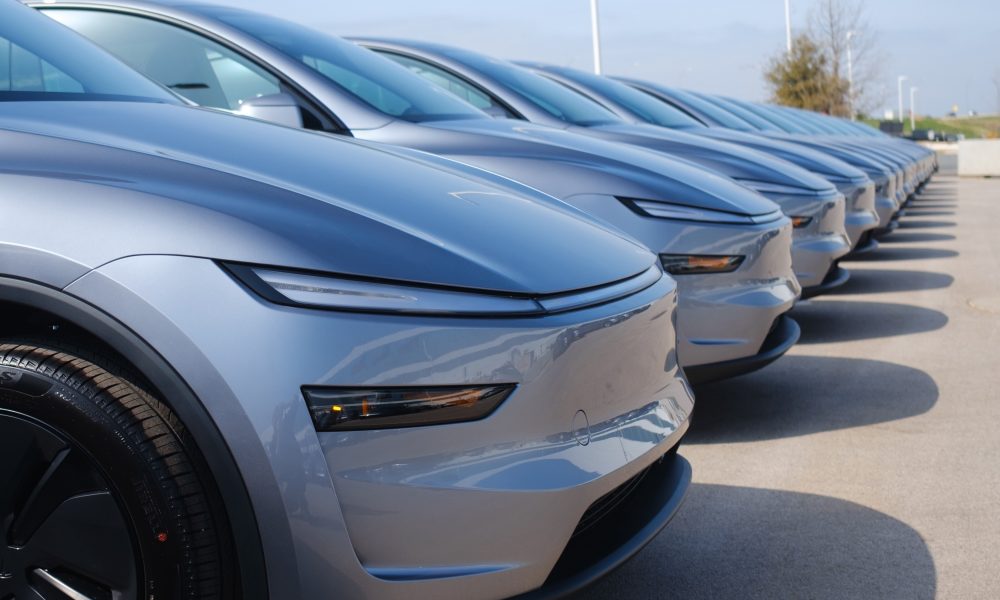
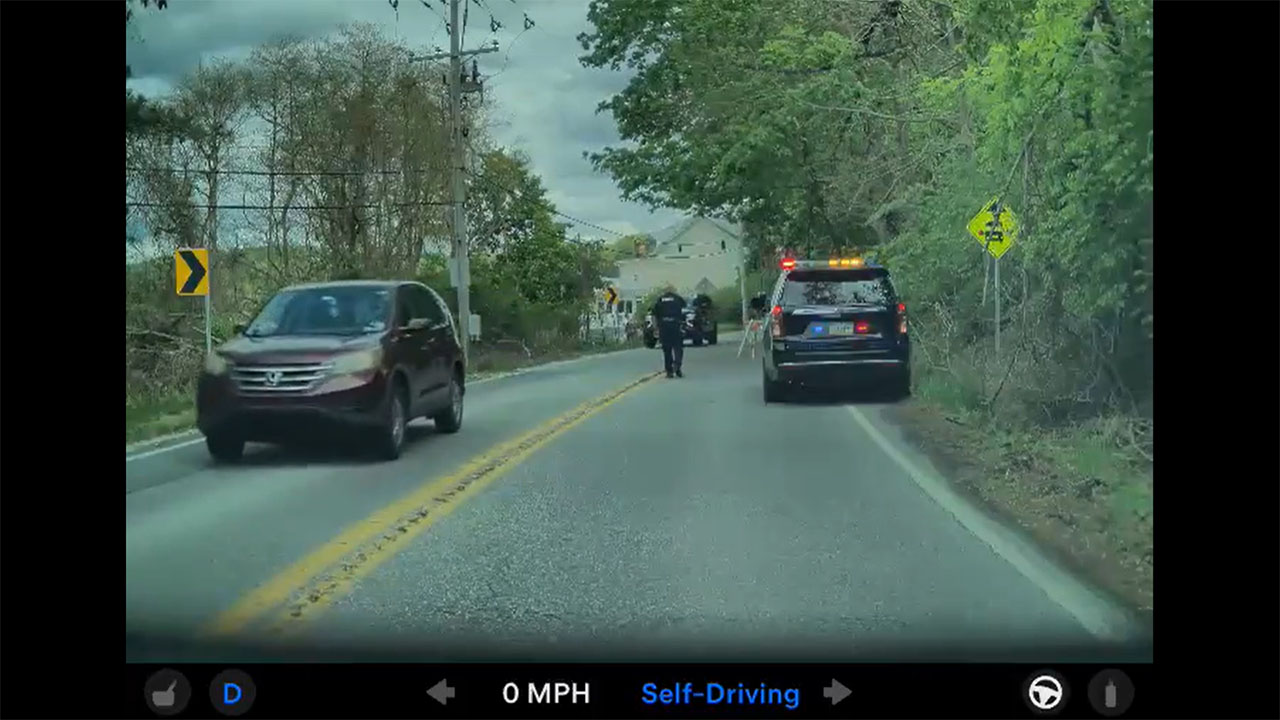
Recent sightings of the distinctive, angular Cybercab navigating public roads in California and Texas mark a pivotal shift. Unlike earlier stages of Tesla's Full Self-Driving development, which relied on consumer-owned vehicles, these are dedicated Robotaxi platforms operating without traditional controls. Concurrently, observers at Giga Texas report a significant increase in Cybercab fleet activity within the factory's confines, with vehicles being staged and prepared in larger numbers. This parallel activity strongly suggests that Tesla is conducting final integration tests on production-intent units, validating both the hardware and the bespoke Autonomous Vehicle software stack in diverse environments before a wider rollout.
The Manufacturing Gambit: Building the Fleet
Entering the mass production queue is arguably as significant as the on-road testing. Tesla's strategy hinges on achieving unprecedented scale and cost-efficiency in EV manufacturing, and the Cybercab is designed to be its most optimized vehicle yet. By leveraging the unibody casting techniques and simplified assembly processes pioneered by the Model Y and Cybertruck, Tesla aims to produce these purpose-built Robotaxis at high volume and lower cost per unit. The move into the production queue indicates that the company is confident enough in the vehicle's design and its regulatory pathway to begin tooling up for what it hopes will be a global fleet, transforming capital expenditure into a revenue-generating asset.
The accelerated timeline presents both immense opportunity and formidable challenges. Regulatory approval remains the single largest hurdle, with authorities requiring exhaustive data to prove the system's safety beyond human drivers. Furthermore, Tesla must successfully deploy and manage the complex logistics of a commercial ride-hailing service—including vehicle maintenance, charging infrastructure, and customer support—a venture far removed from its core competency of designing and selling cars to individual owners. The company's ability to navigate this operational leap will be just as crucial as the technology itself.
For Tesla owners and investors, the implications are profound. The successful launch of a functional Robotaxi network would unlock what Musk has termed "an appreciation asset," fundamentally altering Tesla's financial model from one-time car sales to recurring, high-margin mobility service revenue. It would also provide a powerful, real-world validation of Tesla's Full Self-Driving software, potentially increasing its value and adoption rate in personal vehicles. However, the capital intensity and execution risk are high. Investors should monitor the pace of regulatory milestones and the operational scale-up of the testing fleet as key indicators of whether Tesla can translate its bold vision into a profitable, sustainable new business line within its ambitious timeframe.