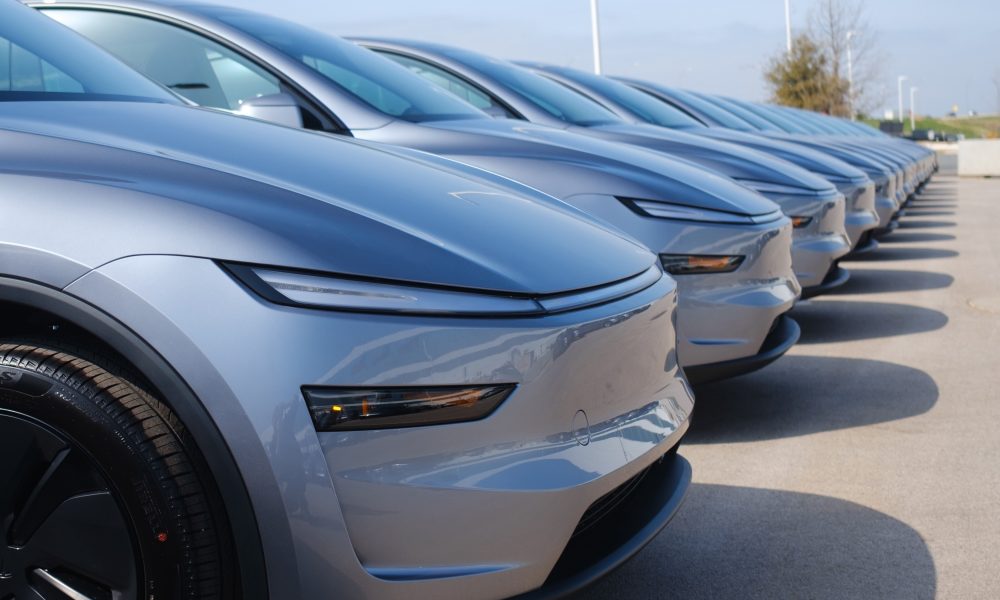
In a move signaling a decisive shift from concept to concrete manufacturing reality, Tesla is reportedly accelerating its preparations for the Cybercab at its Gigafactory Texas, with a production line targeting an initial output of hundreds of vehicles weekly. This aggressive ramp-up, detailed in a new report, suggests Elon Musk's vision for a dedicated robotaxi fleet is entering its most critical phase yet, placing immense pressure on both the company's manufacturing prowess and its Full Self-Driving (FSD) technology.
Gearing Up in Austin: A Factory Transformation
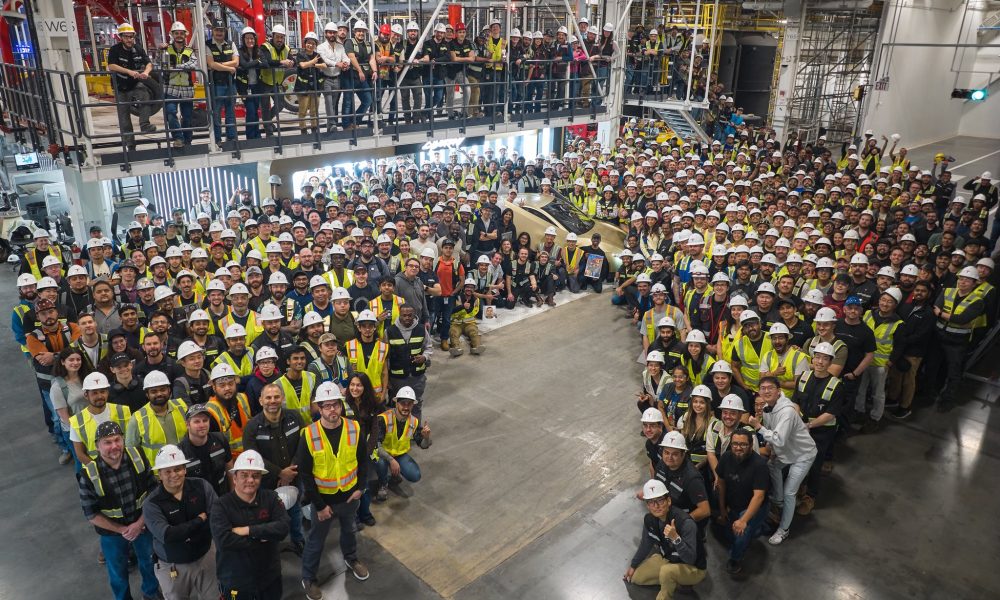
The report indicates a flurry of activity within the Austin facility, where Tesla is actively installing specialized new equipment and bolstering its workforce specifically for the Cybercab line. This dedicated preparation underscores that the vehicle is not a mere adaptation of an existing model but a ground-up purpose-built robotaxi. The strategic choice of Gigafactory Texas, a hub for innovation and the production of the structurally unique Cybertruck, provides the ideal ecosystem for manufacturing what is expected to be another radically designed vehicle. This parallel suggests Tesla is leveraging hard-won lessons in exoskeleton-style manufacturing and low-volume, high-complexity production to bring the Cybercab to life.
The "Unboxed" Strategy and Production Ambitions
This reported target of hundreds of units per week aligns with Tesla's revolutionary "unboxed" manufacturing strategy, which aims to dramatically reduce assembly time and cost by building large sub-assemblies of the vehicle in parallel before final integration. For a vehicle designed from the outset for autonomous ride-hailing—lacking traditional driver controls and prioritizing passenger space and durability—this method could prove transformative. While the initial weekly output may seem modest compared to Tesla's mass-market EV lines, it represents a crucial proof-of-concept scale. Successfully hitting this target would validate the production process and begin populating real-world test fleets, providing the billions of miles of operational data necessary to refine the autonomous system.
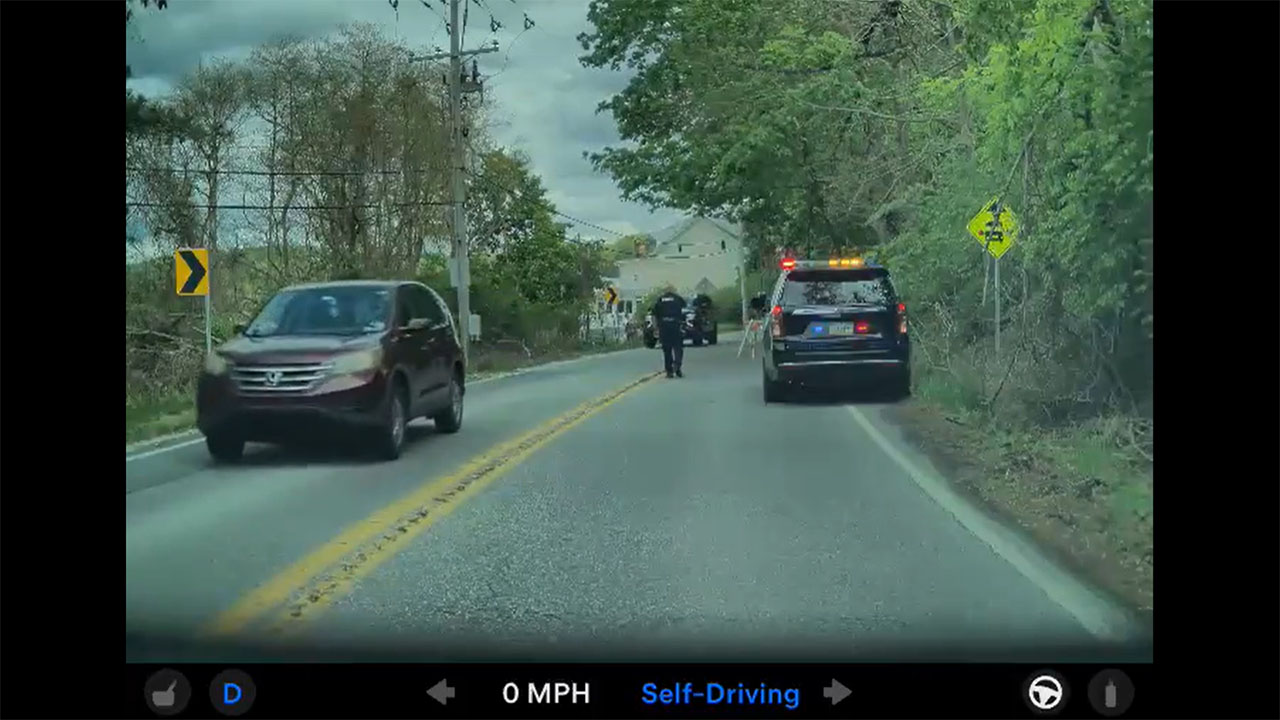
The implications of this ramp-up extend far beyond the factory floor. A functioning fleet of Cybercabs is the ultimate validation platform for FSD. Every mile driven in revenue service would generate invaluable data, creating a virtuous cycle that improves the AI faster than any competitor relying on simulation or limited test vehicles. However, this aggressive timeline also introduces significant execution risk. Tesla must achieve not only manufacturing consistency for a novel vehicle but also secure regulatory approvals for truly driverless operation, a hurdle that remains substantial and varies widely by jurisdiction.
For Tesla investors, the accelerating Cybercab production is a high-stakes signal. It moves a central pillar of the company's long-term valuation—the Tesla Network—from a speculative future revenue stream toward a tangible asset. For owners, the near-term impact is twofold. It promises to accelerate the refinement of the FSD software they use today through an explosion of new data. Furthermore, it heralds the approaching reality of turning their own vehicles into income-generating assets through the planned robotaxi network, fundamentally altering the economics of electric vehicle ownership. The race to build the future of transportation is now visibly underway on a factory floor in Texas.