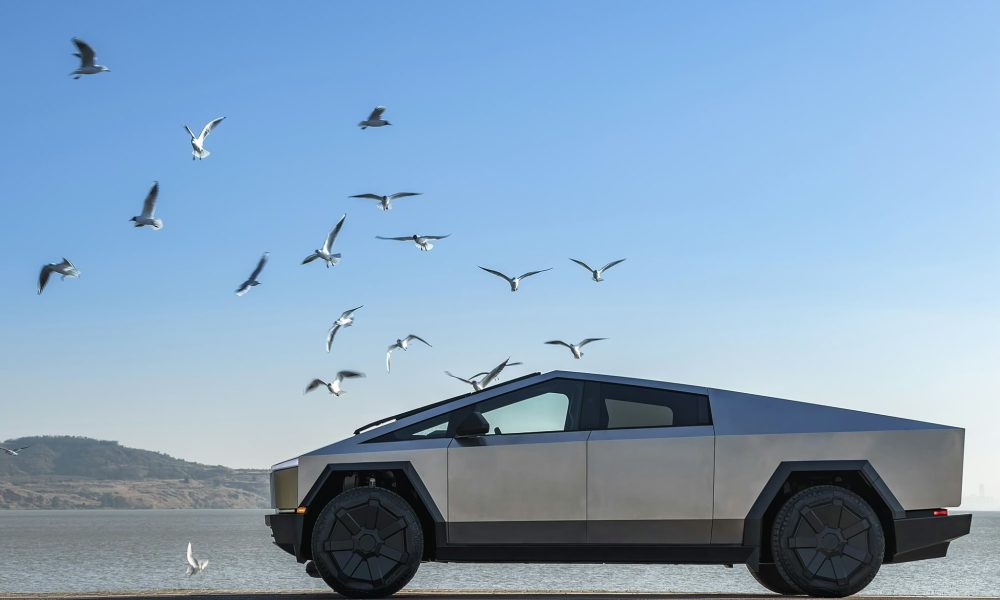
After years of anticipation and a dramatic unveiling, Tesla's vision for autonomous mobility is finally hitting the streets in tangible form. The first fleet of Cybercab units has been deployed from Giga Texas, marking a pivotal transition from concept to real-world testing and public display. These early vehicles are not just validation mules for Tesla's ambitious Robotaxi network; they are a calculated first impression, offering the clearest look yet at the design and functionality choices made for a vehicle built solely for ride-hailing. Our early analysis reveals a machine meticulously engineered around passenger experience and operational efficiency, shedding light on Tesla's strategy to dominate the future of transportation.
A Spartan, Yet Strategic Interior
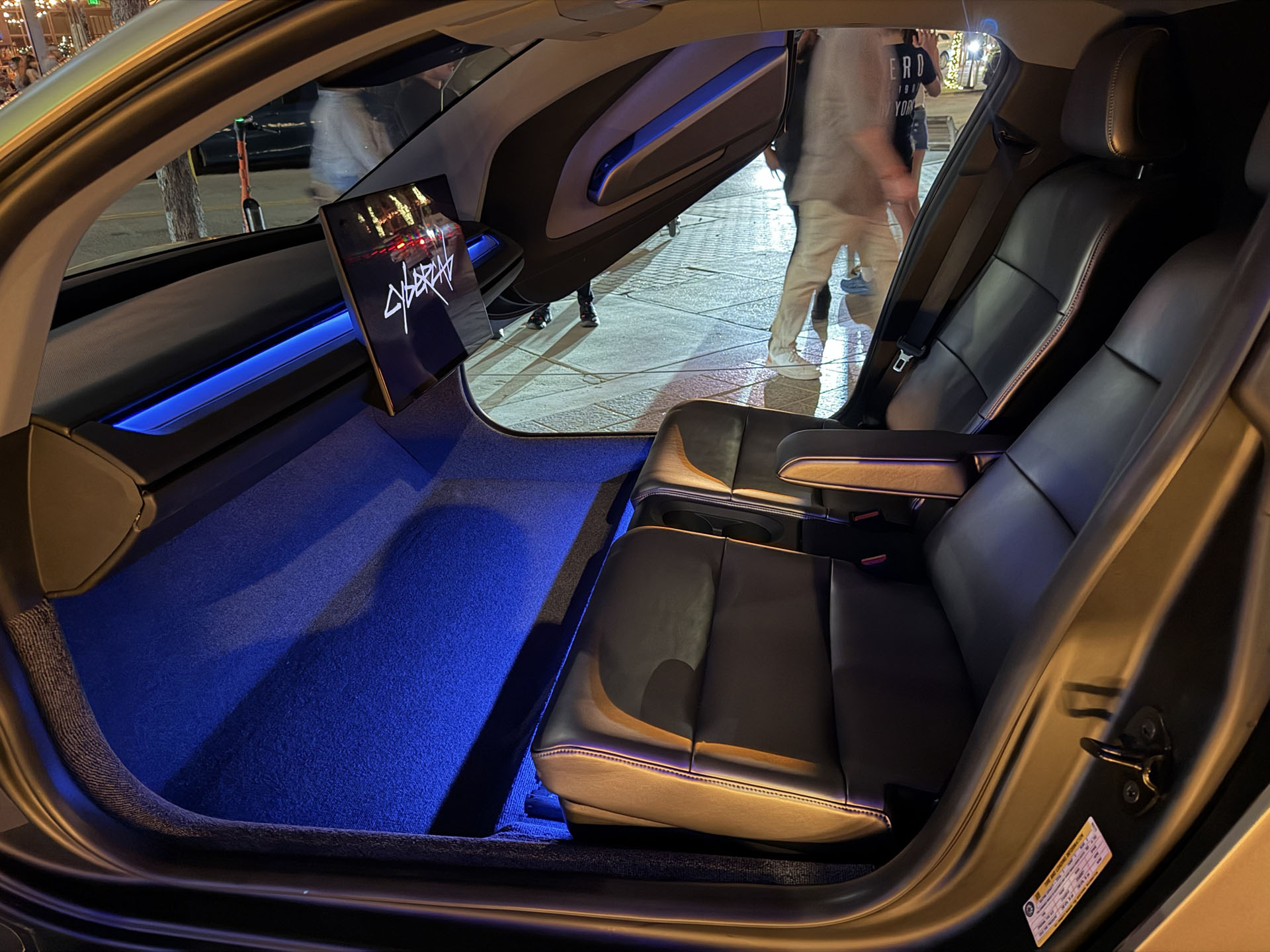
Stepping inside the Cybercab confirms its purpose-built nature. The interior is strikingly minimal, prioritizing durability and easy cleaning over luxury finishes. Bench-style seating for four passengers emphasizes space optimization, with a notable lack of a traditional driver's cockpit. The most talked-about feature is the rear-hinged coach doors, which promise easier ingress and egress in tight urban environments. Ambient lighting strips provide a modern, welcoming atmosphere, while large, tablet-like screens for passenger entertainment and trip information are expected to be integrated into the final production version. This layout underscores Tesla's focus on maximizing passenger utility and minimizing maintenance downtime between fares.
Hardware Evolution for Full Autonomy
A close inspection of the exterior reveals critical hardware upgrades tailored for Full Self-Driving (FSD) operation. The most significant advancement is in the sensor suite, featuring new, higher-resolution camera modules with a wider field of view. These improved FSD cameras are crucial for the complex urban navigation required of a Robotaxi. Furthermore, the charge port location has been strategically repositioned for automated charging solutions, hinting at Tesla's planned infrastructure where vehicles will dock and recharge without human intervention. Every physical element, from the flush-mounted sensors to the robust exoskeleton, appears designed to support a continuous, driverless service cycle.
The deployment strategy itself is telling. By sending these units to multiple U.S. cities for both testing and public display, Tesla is executing a dual-phase campaign: rigorous FSD validation in diverse environments and a proactive effort to build public familiarity and comfort with the vehicle's unconventional design. This soft launch is as much about training the AI as it is about acclimating the population to the sight of an empty, rolling Cybercab, normalizing the technology before the service goes live.
For Tesla owners and investors, these first impressions are profoundly consequential. The Cybercab's focused design validates Tesla's asset-light approach to the Robotaxi market, a service with potentially industry-leading margins. Every design choice that lowers manufacturing cost or increases vehicle utilization directly feeds into the financial model that makes the Robotaxi network so compelling. The visible hardware progress also de-risks the timeline for achieving true unsupervised autonomy, the linchpin of the entire venture. As these vehicles become more common on city streets, they serve as rolling proof of Tesla's technological edge and its commitment to transforming not just what we drive, but how we move.