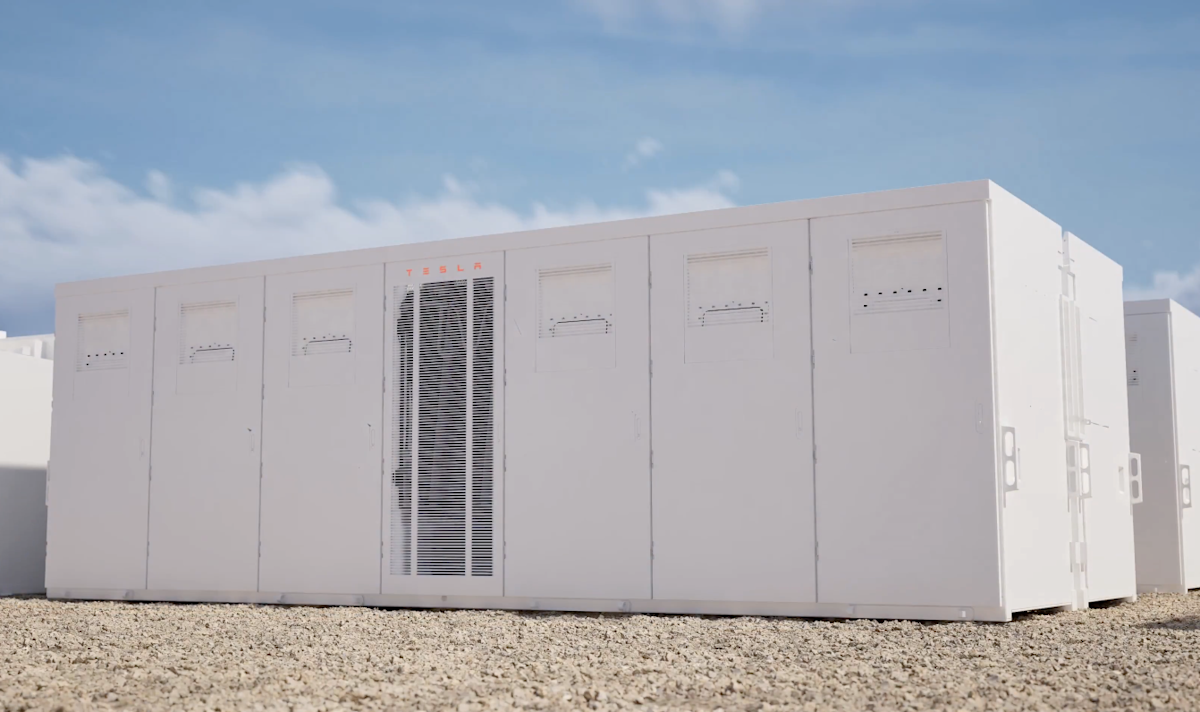
In a move that solidifies the critical importance of domestic battery supply chains, Tesla has been officially named as the anchor partner for a massive new LG Energy Solution factory in Michigan. The $4.3 billion project, which had been announced earlier but shrouded in partner secrecy, received explicit confirmation from the U.S. government this week, directly linking the world's leading EV maker to one of the largest battery production investments on American soil.
Unpacking the Government's Announcement
The confirmation came via a U.S. Department of the Treasury press release on Monday detailing the implementation of the Advanced Manufacturing Production Credit. Within the document, the government explicitly stated that the credit would apply to "facilities such as LG Energy Solution's $4.3 billion investment with Tesla as the offtake partner in Michigan." This unambiguous language ends months of speculation and confirms Tesla's central role in the venture. The deal underscores a strategic pivot for both companies: LG secures a guaranteed, high-volume customer for its cells, while Tesla diversifies its supply beyond its own proprietary 4680 cell production and its longstanding partnership with Panasonic.
Strategic Implications for Tesla's Production Ramp
This partnership is far more than a simple supplier agreement; it's a strategic lever for Tesla's growth ambitions. The Michigan factory is poised to produce cylindrical lithium-ion batteries, likely the 2170 format used in the current Model 3 and Model Y, ensuring a stable and scaled supply for Tesla's highest-volume vehicles. This external capacity boost allows Tesla to focus its internal Gigafactory resources on perfecting and scaling its next-generation 4680 cell technology for future platforms like the Cybertruck and more affordable next-gen vehicles. It effectively creates a dual-track battery strategy, mitigating risk and accelerating overall production capacity.
Furthermore, locating this massive production facility in Michigan, the heart of the traditional automotive industry, provides logistical advantages for supplying Tesla's Gigafactory Texas and Fremont assembly plants. It also capitalizes heavily on incentives within the Inflation Reduction Act (IRA), which mandates strict North American sourcing requirements for vehicles to qualify for full consumer tax credits. Batteries from this LG plant will almost certainly help Tesla models maintain that crucial financial incentive for buyers.
What This Means for Tesla Owners and Investors
For owners and prospective buyers, this announcement is a strong signal of increased production stability and potential for future cost reductions. A more resilient and diversified battery supply chain reduces vulnerability to shortages and can contribute to economies of scale. Investors should view this as a capital-efficient expansion of Tesla's battery ecosystem. Instead of bearing the full $4.3 billion capex alone, Tesla leverages LG's manufacturing expertise and investment, securing vital supply while conserving its own capital for other critical projects like AI, robotics, and its own cell production. This partnership fortifies Tesla's competitive moat, ensuring it has the battery firepower to maintain its EV dominance while continuing to innovate on its core technology roadmap.