In a move that stunned Wall Street and solidified its financial fortress, Tesla, Inc. concluded a monumental $5 billion capital raise on September 4, 2020, leveraging its soaring stock price to secure a massive war chest without taking on debt. The at-the-market offering, announced just days prior on September 1, saw shares sold directly to the public through the world's most powerful financial conduits. This strategic maneuver, executed at a time of unprecedented market valuation, demonstrated CEO Elon Musk's masterful grasp of capital markets and provided the electric vehicle pioneer with unparalleled flexibility for its ambitious global plans.
The Mechanics of a Market-Savvy Raise
Tesla did not conduct a traditional, single-day stock offering. Instead, it employed an at-the-market (ATM) offering program, a more nuanced tool allowing the company to sell newly issued shares incrementally into the open market through designated sales agents. This approach let Tesla capitalize on daily trading liquidity and favorable price movements, minimizing market disruption. The roster of agents read like a who's who of Wall Street: Goldman Sachs & Co., Bank of America Securities Inc., Citigroup Global Markets Inc., and Morgan Stanley & Co. Their collective firepower ensured the $5 billion target was met efficiently, with the program concluding swiftly on September 4.
Strategic Timing Amidst a Meteoric Rise
The raise's timing was impeccably shrewd. Coming on the heels of Tesla's 5-for-1 stock split in late August 2020, the company's shares were riding a wave of retail investor enthusiasm and had appreciated over 400% year-to-date. By tapping the market at peak valuation, Tesla minimized dilution for existing shareholders while maximizing capital inflow. This was not an act of desperation for a cash-strapped startup; it was the calculated move of a confident market leader strengthening its balance sheet from a position of extreme strength. The funds were earmarked generically for "strengthening the balance sheet and for general corporate purposes," a broad mandate that promised strategic agility.
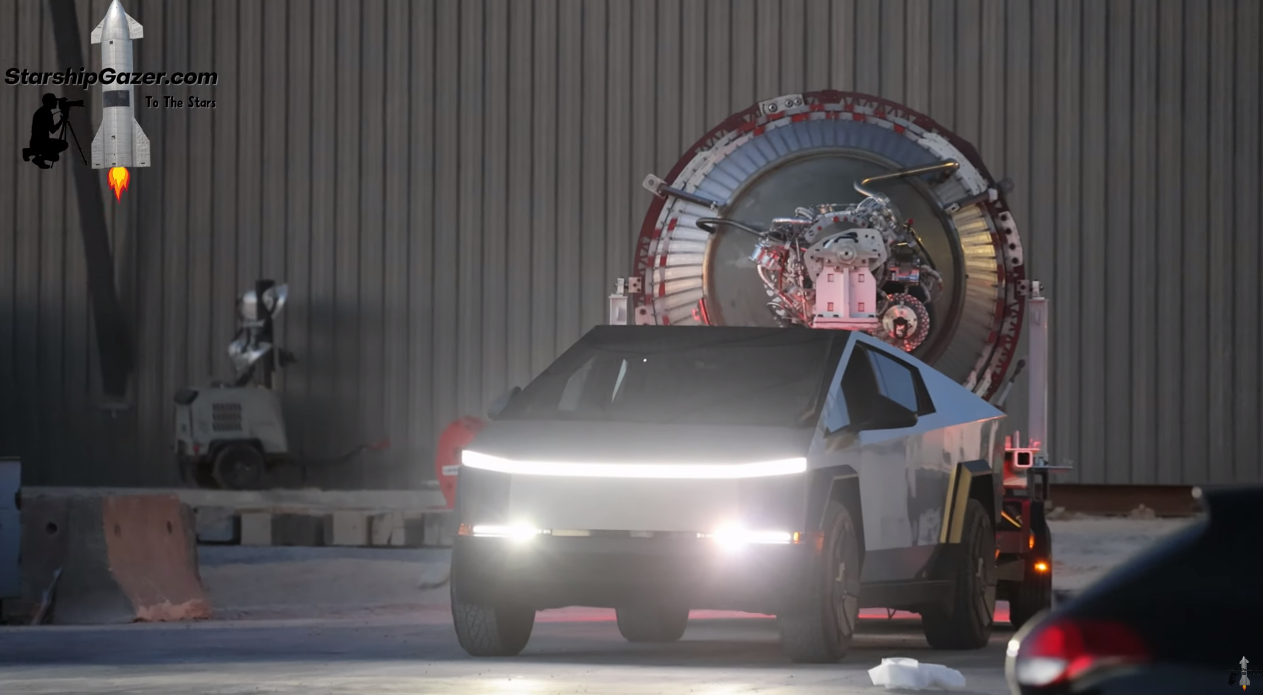
The immediate financial implications were transformative. The $5 billion influx bolstered Tesla's cash reserves to over $14 billion, effectively erasing long-standing concerns about its ability to fund growth and weather economic downturns. Analysts viewed the raise as a low-cost insurance policy against uncertainty and a fuel injection for accelerated expansion. It provided essential capital to ramp up production capacity at new factories in Berlin and Texas, advance development of the Cybertruck and Semi, and further invest in proprietary battery cell technology—initiatives all critical to maintaining its competitive moat in the accelerating EV revolution.
For Tesla owners and investors, the successful capital raise carried profound implications. It signaled a mature transition from a company perpetually navigating a "production hell" cash crunch to a financially robust industrial powerhouse. The fortified balance sheet de-risked the investment thesis, assuring that Tesla could self-fund its growth agenda without needing emergency financing. For owners, it meant greater confidence in Tesla's long-term viability and its ability to continue investing in Supercharger networks, over-the-air software updates, and service infrastructure. Ultimately, the September 2020 raise was a defining moment, proving Tesla could not only disrupt automotive technology but also master the financial markets, securing its runway to redefine the future of transportation.