As the calendar flips to late January, a familiar electric tension crackles through the financial world, but the stakes have never been higher. On Wednesday, January 28, 2026, Tesla will unveil its Q4 2025 earnings, a report that transcends quarterly figures to serve as a definitive verdict on the company's most ambitious and turbulent year. With seismic shifts in strategy, technology, and market dynamics, investors are not merely looking for profit—they are demanding a clear roadmap for the future. The upcoming call will be a litmus test for Elon Musk's vision, answering seven burning questions that will define Tesla's trajectory for the rest of the decade.
The Core Financial Engine: Margins and Growth Amidst Transition
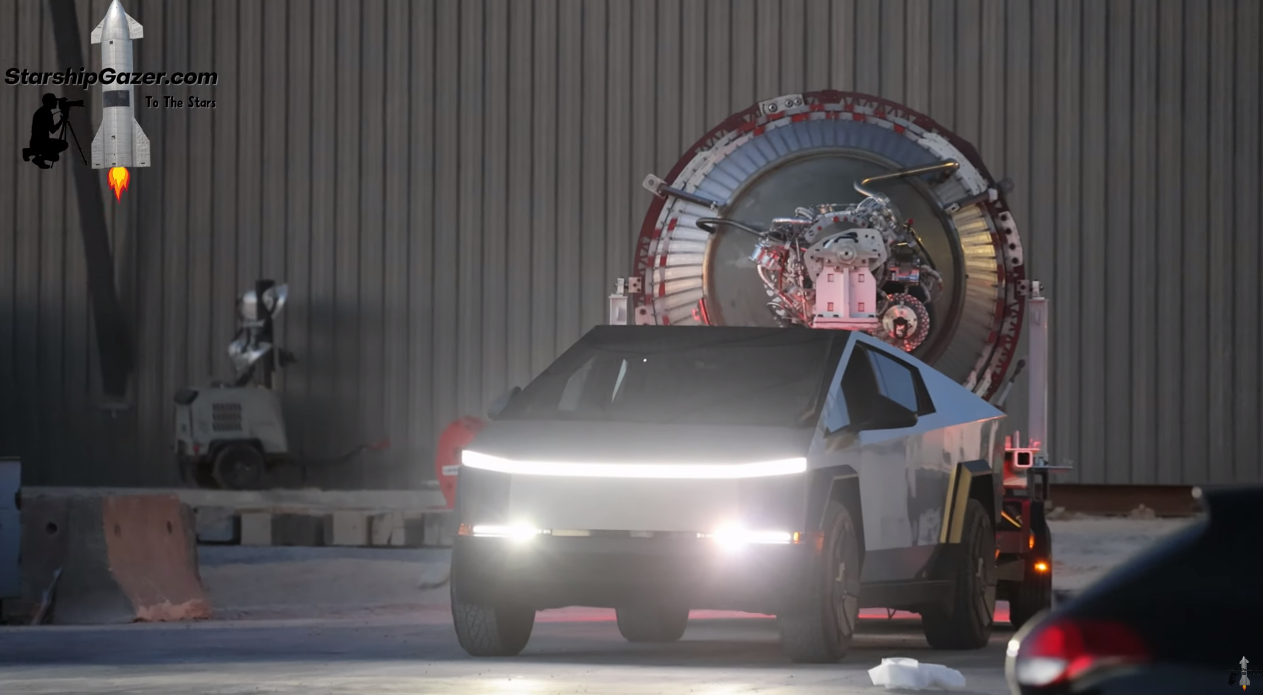
All eyes will be laser-focused on Tesla's automotive gross margin, the definitive measure of its manufacturing health and pricing power. The critical question is whether the company has successfully stabilized margins after a period of aggressive price adjustments and intense competition. Investors will dissect the impact of Model 3 Highland and Model Y Juniper refreshes, alongside the scaling of the Cybertruck, on profitability. Furthermore, the market demands clarity on volume growth: did Tesla achieve its adjusted 2025 delivery target, and what is the realistic forecast for 2026? The narrative must pivot from "growth at all costs" to "profitable scale," and the numbers must back that shift.
Autonomy, AI, and the Next Platform: Beyond the Car
The second cluster of questions pierces the heart of Tesla's long-term valuation thesis: its artificial intelligence and autonomy moonshots. Analysts will seek concrete, quantifiable progress on Full Self-Driving (FSD) V13 deployment and its contribution to recurring software revenue. More urgently, shareholders require a substantial update on the next-generation vehicle platform—often called the "$25,000 model" or "Robotaxi." Is the design frozen? Have gigacasting and unboxed assembly lines progressed for a 2027 launch? Silence or vagueness here will be interpreted as a major strategic risk, as this platform is central to tapping into the mass-market EV segment.
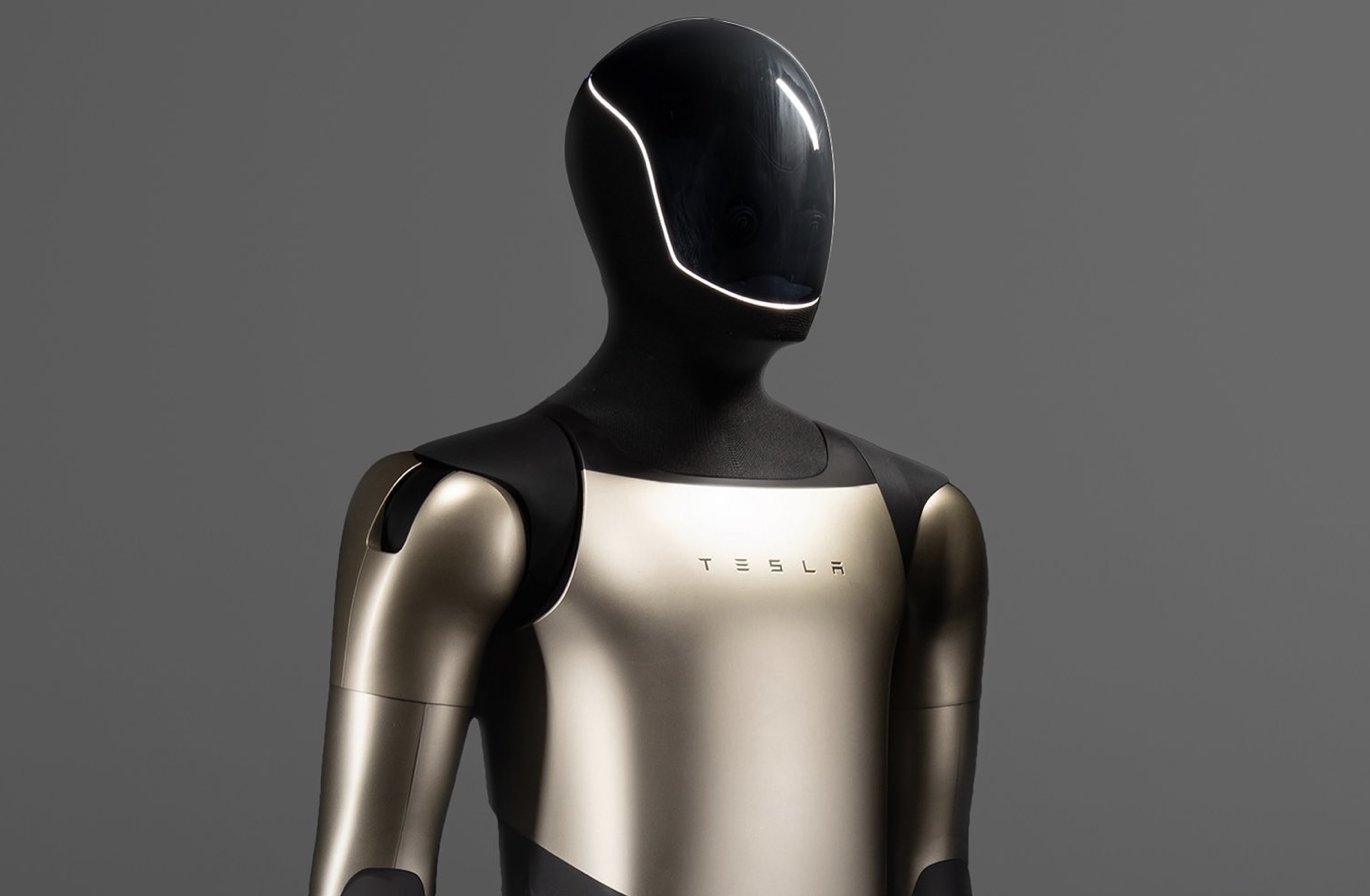
Beyond the vehicle itself, the energy and storage division can no longer be an afterthought. With Megapack factories ramping, this segment is poised to become a profit pillar comparable to automotive. Investors will scrutinize its margin profile and growth rate, seeking confirmation that Tesla is indeed a sustainable energy company, not just a carmaker. The integration of AI compute, through projects like the Dojo supercomputer, also faces scrutiny for its capital efficiency and tangible benefits to training speed.
Leadership and Capital: The Foundations of Execution
Finally, the boardroom and balance sheet are under the microscope. Following a period of significant executive turnover, investors are keen to understand the strength and depth of the leadership team executing this complex multi-front strategy. The capital expenditure plan for 2026 will be dissected to see if investments are being prioritized toward the highest-return projects. Furthermore, with a colossal cash reserve, the market will listen intently for commentary on potential share buybacks or strategic acquisitions to bolster AI and robotics capabilities.
For Tesla owners, the answers signal the company's long-term viability and its commitment to advancing their vehicle's value through software. For investors, this earnings call is a pivotal moment to separate hype from executable strategy. Strong, clear answers could reaffirm Tesla's premium valuation and market leadership, while ambiguity on costs, timelines, or tech readiness may trigger a profound reassessment of risk. On January 28, the market doesn't just want a financial report—it demands a credible plan for the future.