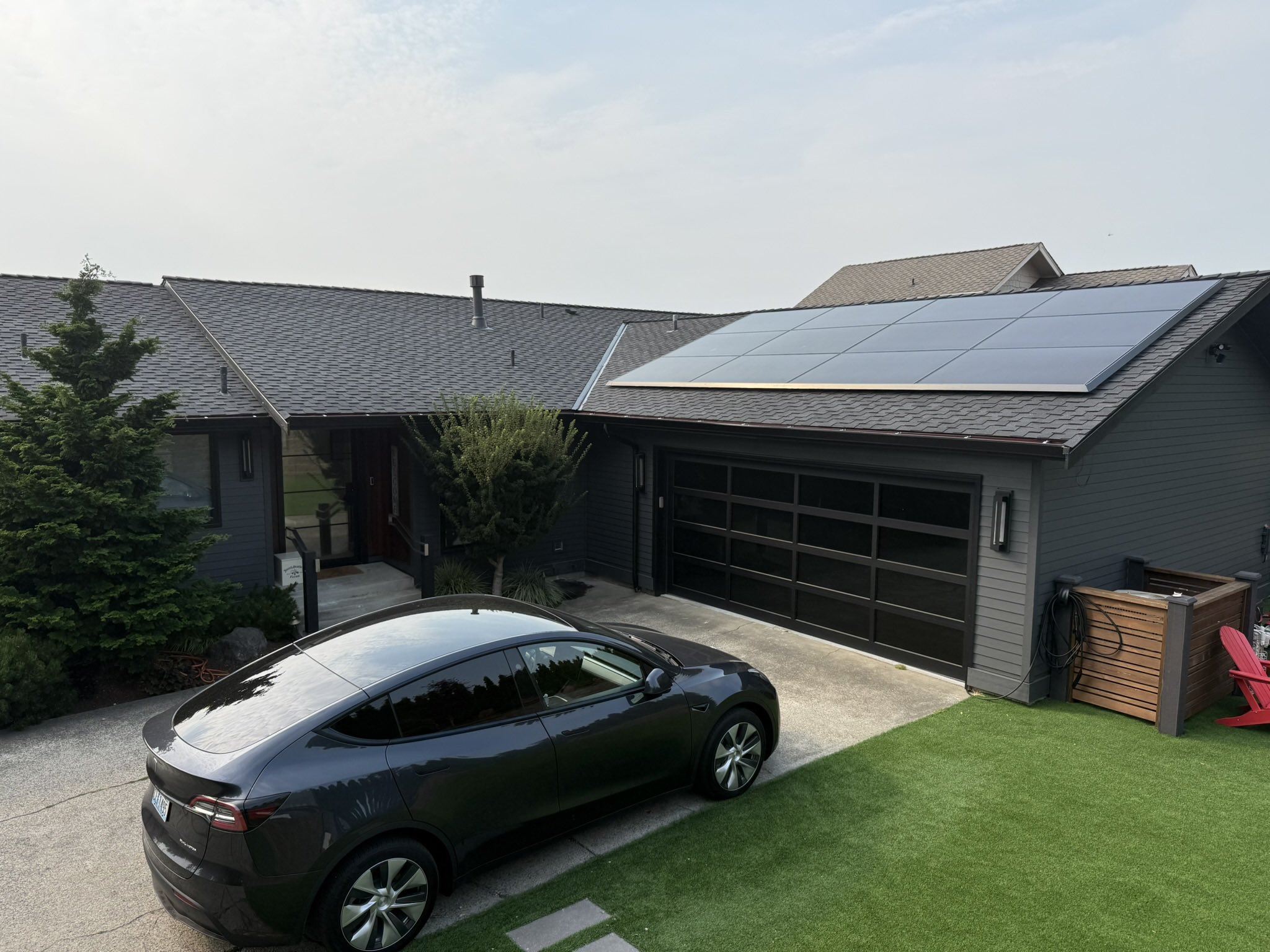
In a move that fundamentally reshapes its role in the energy ecosystem, Tesla has officially become a licensed electricity supplier in the United Kingdom. The company's newly formed Tesla Energy Ventures division has received approval from the national regulator, Ofgem, to sell power directly to consumers. This strategic pivot transforms Tesla from a mere manufacturer of electric vehicles and batteries into a fully-fledged utility, setting the stage for a direct confrontation with established UK energy giants, most notably the innovative Octopus Energy.
From Car Maker to Power Player
The approval grants Tesla a crucial foothold in the competitive UK retail energy market. While the company has long offered solar and Powerwall battery storage, it previously relied on partners to supply the actual electricity. Now, Tesla can create a seamless, integrated energy product: generating power via solar roofs, storing it in Powerwalls, and selling or buying it from the grid as needed. This vertical integration allows Tesla to offer unique, software-driven tariffs that optimize energy costs for customers, potentially leveraging the collective capacity of thousands of home batteries to provide grid stability services.
The Octopus Energy Showdown
The most immediate and intriguing consequence is the looming battle with Octopus Energy, a leader in agile, tech-first energy tariffs. Octopus has already pioneered popular EV-specific plans like Intelligent Octopus, which offers cheap overnight charging integrated with the grid's needs. Tesla's entry directly challenges this model. The EV giant can now combine its industry-leading vehicle software, vast network of home batteries, and new utility license to create a hyper-optimized ecosystem that could be difficult for third-party suppliers to match, potentially locking customers deeper into the Tesla ecosystem.
This move is not an isolated experiment but a core component of Tesla's master plan. The company views its vehicles and energy products as a unified "distributed energy resource." By becoming a utility, Tesla can better monetize this network, using its fleet intelligence to balance supply and demand in real-time. The data advantage is immense; Tesla understands its customers' driving habits, home energy consumption, and battery storage levels better than any traditional utility ever could, enabling unprecedented efficiency and personalized pricing.
Implications for Owners and the Energy Grid
For Tesla owners in the UK, this promises greater control and potential savings. Future Tesla Energy tariffs will likely offer the cheapest possible charging rates by automatically scheduling sessions during low-cost, high-renewable periods, while also rewarding owners for allowing their Powerwalls or EV batteries to support the grid during peak times. For investors, it underscores that Tesla's long-term value extends far beyond automotive. The energy division is poised to become a high-margin, recurring revenue stream that leverages the company's core software and hardware synergies.
The broader implication is a accelerated disruption of the century-old utility model. Tesla's entry as a supplier intensifies competition, forcing incumbents to innovate faster on digital platforms and dynamic pricing. Ultimately, the UK energy market is becoming a proving ground for a future where millions of connected electric vehicles and home batteries, orchestrated by sophisticated AI, form the backbone of a cleaner, more resilient, and decentralized power grid.