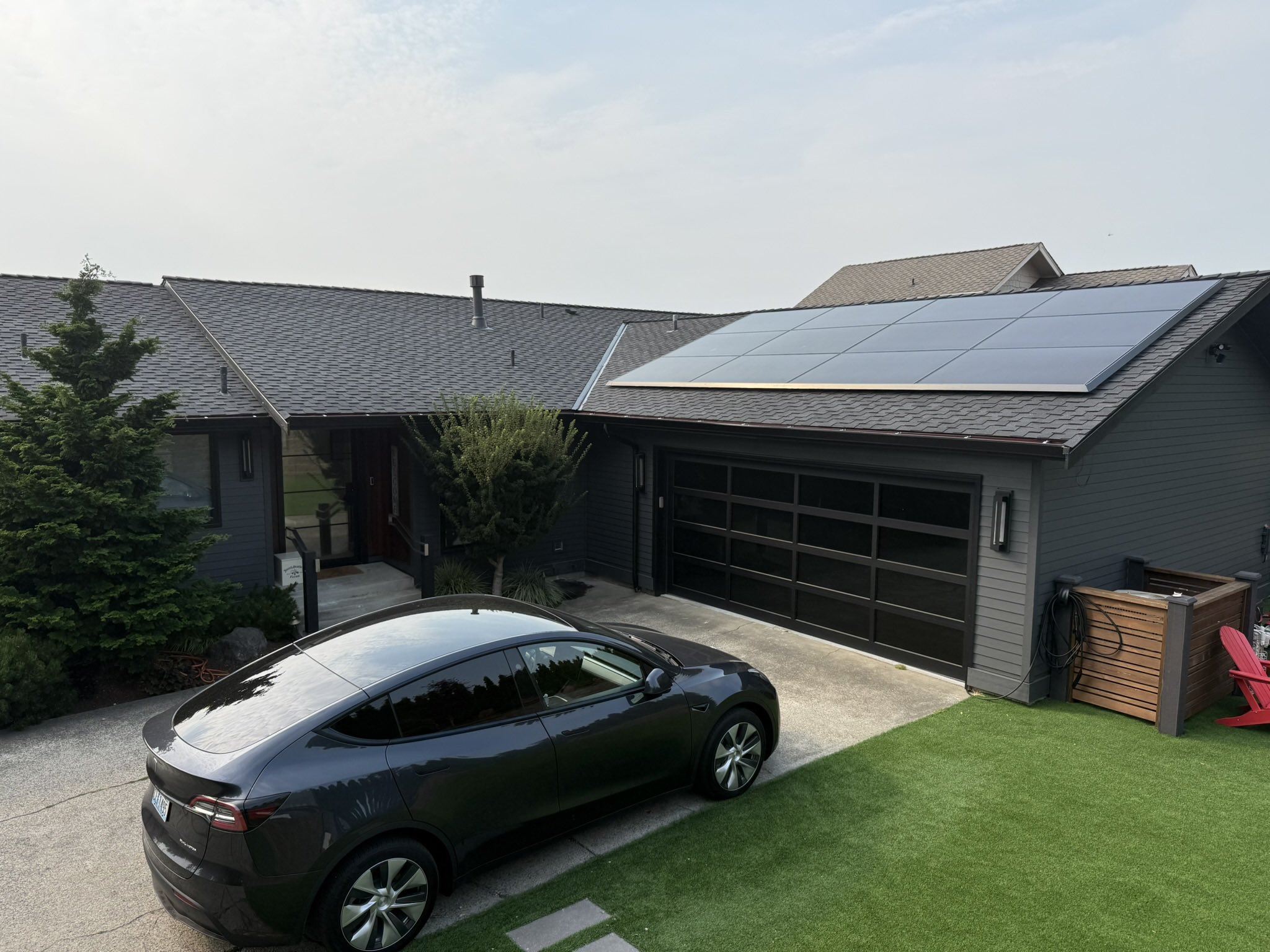
Tesla has just streamlined the path to whole-home energy independence for millions of European households with the surprise launch of the Powerwall 3P. Announced first for the German market, this new variant of Tesla's flagship home battery system integrates a native three-phase inverter directly into a single, sleek unit. This strategic engineering leap effectively dismantles a major adoption barrier in regions where three-phase power is the residential standard, replacing a cumbersome and costly multi-unit setup with an elegantly simple solution. The product page is already live, signaling Tesla's intent to aggressively capture a key segment of the global energy storage market.
Solving the Three-Phase Conundrum
For years, European homeowners seeking full-home backup with Tesla's ecosystem faced a significant hardware hurdle. The standard Powerwall's single-phase inverter was incompatible with the three-phase grids that power most continental homes, from Germany to Italy. The only workaround was to install up to three separate Powerwall units—one on each phase—a proposition that dramatically increased complexity, cost, and physical space requirements. The Powerwall 3P erases this compromise entirely. By embedding a three-phase inverter, a single unit can now manage the entire home's electrical load, providing seamless backup power and intelligent energy management across all phases from one compact device.
Strategic Market Entry and Technical Implications
Tesla's decision to debut the Powerwall 3P in Germany is a calculated move. The country is not only Europe's largest economy but also a nation with a high concentration of affluent, eco-conscious homeowners and a robust solar energy market. This launch serves as a direct answer to longstanding demand and competitive offerings from European energy storage specialists. Technically, the integrated design promises a cleaner installation, potentially higher system efficiency by reducing conversion losses, and simplified monitoring through the Tesla app. It represents a significant maturation of Tesla's energy hardware, moving from adapting a US-centric product to engineering specifically for critical international grids.
The introduction of the Powerwall 3P has immediate and profound implications. For Tesla owners in three-phase regions, it transforms the economics and feasibility of home energy systems. The reduced upfront cost and hardware footprint will likely accelerate adoption, locking customers deeper into the Tesla ecosystem through their energy products. For investors, this launch underscores Tesla Energy's evolution from a side project to a sophisticated, market-responsive business unit. By addressing a core infrastructure difference with a tailored product, Tesla is methodically removing barriers to scale, positioning its energy storage division for a new wave of growth in a premium international market where it previously competed at a disadvantage.