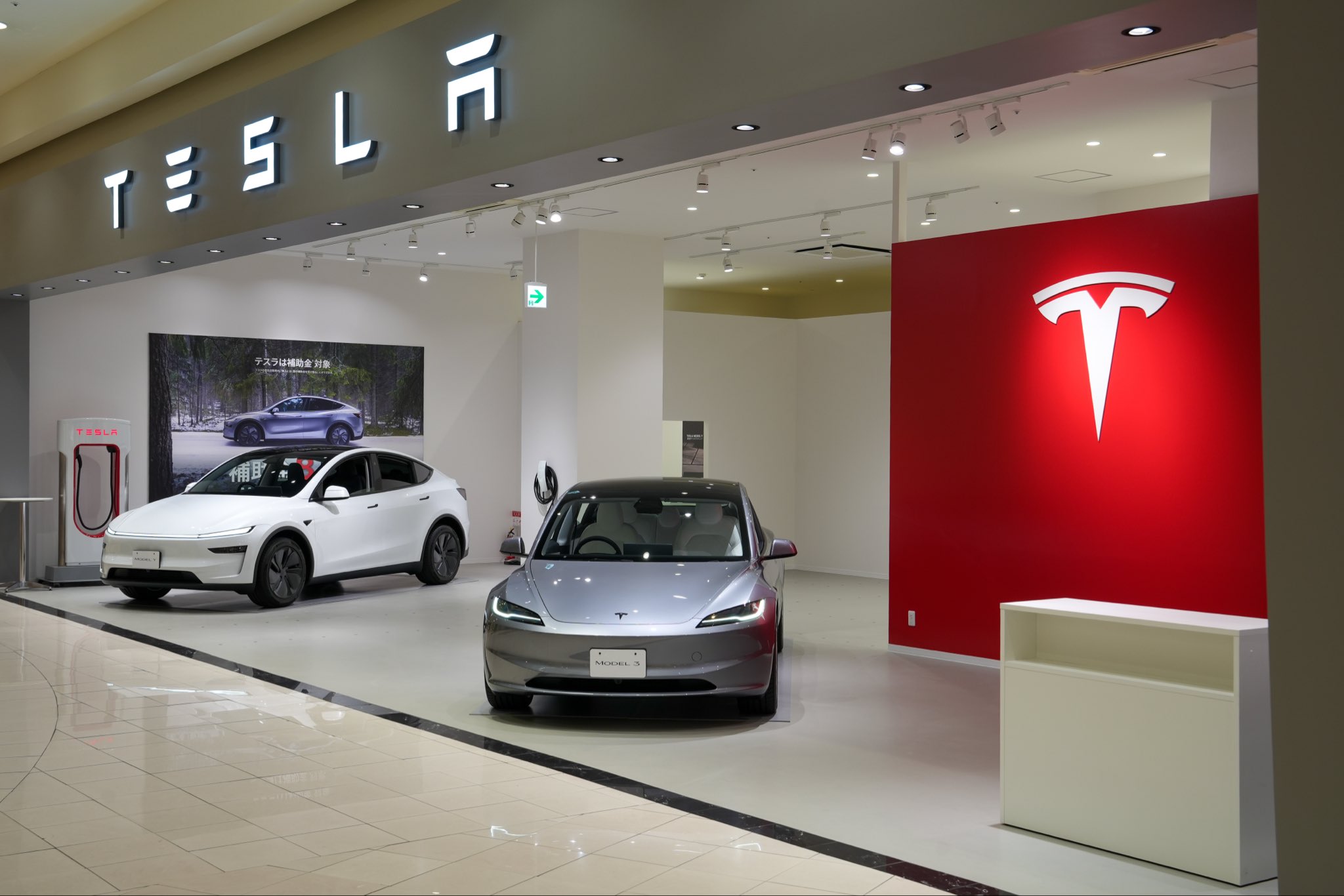
The tech and automotive worlds are holding their collective breath. On March 14, 2026, Elon Musk sent a seismic seven-word tweet that bypassed all traditional marketing channels: "Terafab Project launches in 7 days." With no imagery, no technical details, and no press release, the cryptic message instantly ignited a firestorm of speculation, setting a countdown to what could be the most significant industrial shift since the advent of the Gigafactory. The launch date is set for March 21, 2026, and the implications for manufacturing, economics, and Tesla's own vertical integration are potentially staggering.
Decoding the "Terafab" Enigma
While details remain under wraps, industry analysts are piecing together the probable shape of the Terafab. The prefix "Tera-" implies a scale an order of magnitude beyond the Giga-factories that revolutionized EV battery and vehicle production. The logical conclusion is a facility, or a new generation of facilities, designed for unprecedented output and efficiency. The focus is believed to be on the next frontier of cost reduction and scale: terawatt-hour levels of battery production, next-generation 4680 battery cells, and perhaps the complete in-house manufacturing of the core components for Tesla's promised $25,000 compact EV. This isn't just another factory; it's the blueprint for a Silicon Empire of manufacturing.
Beyond Scale: The Integration Revolution
The true disruption of the Terafab likely lies not just in its physical size, but in its operational DNA. Musk's vision has always centered on vertical integration and the "machine that builds the machine." A Terafab could represent the ultimate expression of this philosophy, potentially integrating raw material processing, advanced cell manufacturing, cybertruck stainless steel exoskeleton production, and final vehicle assembly under one, hyper-optimized roof. This level of control would insulate Tesla from supply chain volatility, drive down costs to levels competitors cannot match, and accelerate innovation cycles by collapsing the distance between R&D and mass production.
The announcement's timing is also critical. Coming amid intensifying global electric vehicle competition and pressure on margins, the Terafab project serves as a powerful statement of long-term ambition. It signals to the market that Tesla's focus remains on fundamental manufacturing advantages rather than short-term model refreshes. This move could redefine the economic moat around the company, making scale and efficiency their primary defensible fortress.
For Tesla owners and investors, the Terafab era heralds a future of greater product accessibility and sustained technological leadership. Successful execution would secure the affordable EV platform, ensuring Tesla's growth deep into the mass market. It also promises faster iteration and potentially higher quality, as more of the vehicle's core components are made in-house with relentless focus on improvement. For investors, it reinforces the thesis that Tesla is foremost a manufacturing and technology disruptor; its value is built on production mastery as much as vehicle design. The countdown to March 21 isn't just to a new factory—it's to the next chapter of the electric revolution.