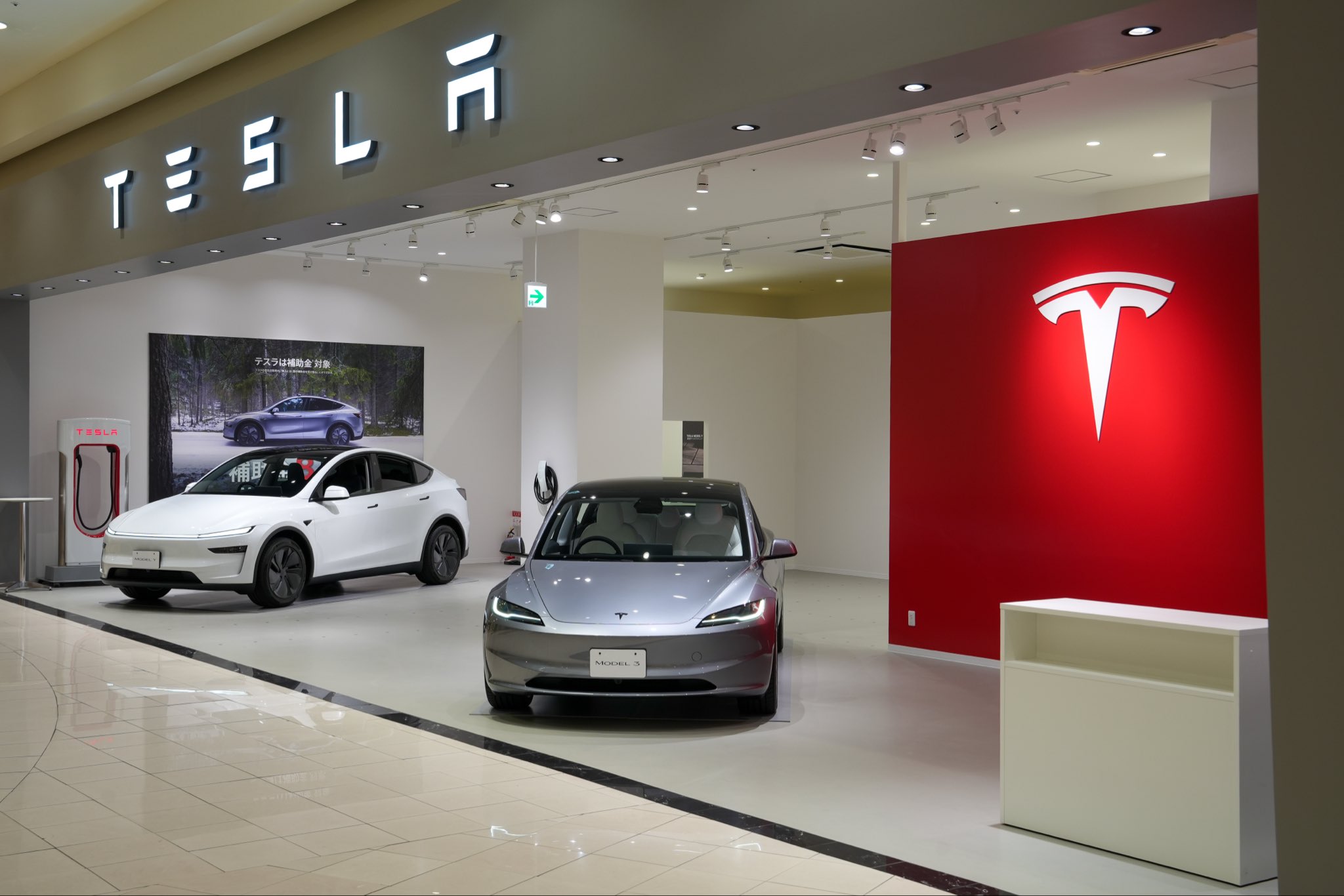
In a move that stunned the semiconductor and automotive industries, Tesla and SpaceX have announced a joint venture of staggering ambition and scale: a $25 billion chip fabrication plant dubbed "Terafab." Unveiled by Elon Musk at Austin's historic Seaholm Power Plant on March 21, the project promises to be the largest semiconductor manufacturing facility ever conceived, aiming to produce an unprecedented 1 terawatt of computing power annually. While Musk framed the venture as "the most epic chip building exercise in history by far," the sheer audacity of two companies, albeit led by the same visionary, diving into the capital-intensive and notoriously complex world of advanced chipmaking has analysts questioning the underlying strategy and timing.
The Staggering Scale and Strategic Gambit of Terafab
The Terafab announcement is not merely an expansion; it's a declaration of vertical integration on a scale rarely attempted outside of tech giants like Intel or TSMC. The planned output of 1 terawatt of computing power annually is a figure so large it redefines the benchmarks for the industry, dwarfing the capacity of even the most advanced existing fabs. For Tesla, this represents a bid for absolute control over the silicon at the heart of its vehicles—from the Full Self-Driving computer and AI training Dojo chips to the myriad of processors needed for future robotics and energy products. For SpaceX, it secures a dedicated, high-reliability supply for the advanced avionics and flight computers critical to Starship and Starlink, insulating it from the geopolitical and supply chain vulnerabilities that have plagued global chip supplies.
Why the Move Smacks of Strategic Desperation
Beneath the epic rhetoric, however, lies a narrative that suggests this is less a pure power play and more a necessary, if desperate, hedge against existential threats. The global chip shortage exposed a critical weakness for any hardware-dependent company, and Tesla, despite its software prowess, remains fundamentally a hardware company. Relying on third-party suppliers like TSMC and Samsung for its most advanced nodes leaves it vulnerable to allocation battles, price hikes, and production delays. Furthermore, as the EV market grows increasingly competitive, proprietary silicon is becoming the key differentiator for performance, efficiency, and AI capability. Terafab is Musk's audacious attempt to leapfrog this entire dependency, but the $25 billion price tag and immense technical hurdles signal a profound urgency to own the core technology before competitors solidify their own silicon advantages.
The desperation is further amplified by the capital intensity and long lead times inherent in semiconductor fabrication. Building a leading-edge fab is a multi-year endeavor requiring specialized talent that is in globally short supply. By partnering with SpaceX, Tesla spreads the astronomical financial risk, but the joint venture also ties the fortunes of both companies to a success story that has bankrupted many well-funded entities before them. The move can be interpreted as a tacit admission that the existing supply chain cannot support Musk's hyper-accelerated timelines for autonomy, robotics, and space exploration, forcing him to build a private silicon pipeline regardless of the cost.
Implications for Tesla Owners and Investors
For Tesla owners, the long-term promise is a faster path to true full self-driving and more capable, efficient vehicles powered by custom chips optimized specifically for Tesla's software stack. In the nearer term, however, investors must brace for significant capital expenditure that will pressure margins, and the high probability of delays and technical challenges inherent in such a greenfield project. The success of Terafab would ultimately grant Tesla an unassailable moat in AI and electric vehicle technology, but the journey there is fraught with risk. It transforms Tesla from an automaker and energy company into a foundational semiconductor player, a bet that could define its next decade—or become a $25 billion distraction in a capital-intensive race where it is not the incumbent. The market will now watch closely to see if this is a masterstroke of vertical integration or a monumental overreach born from a desperate need for control.