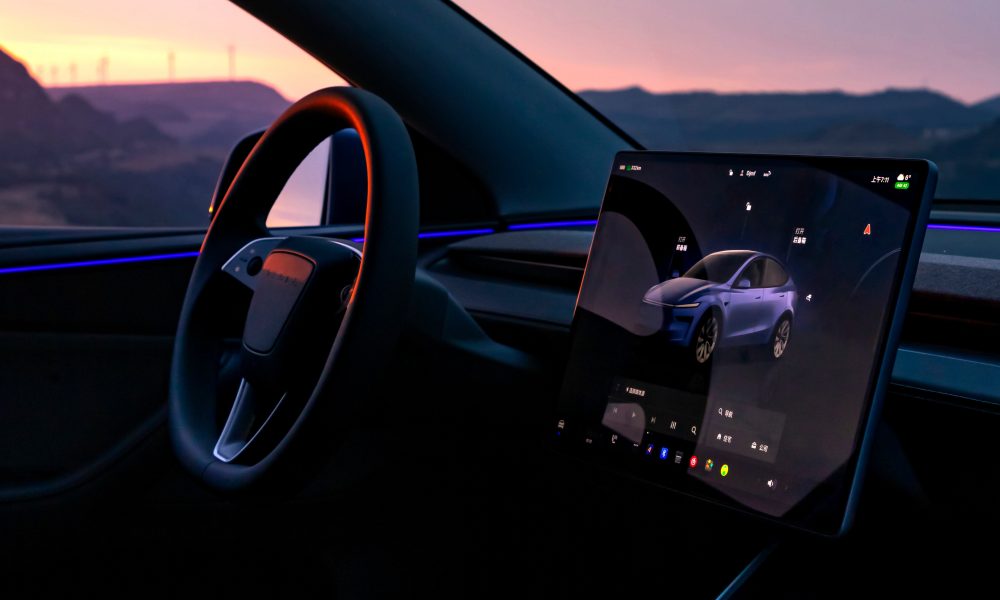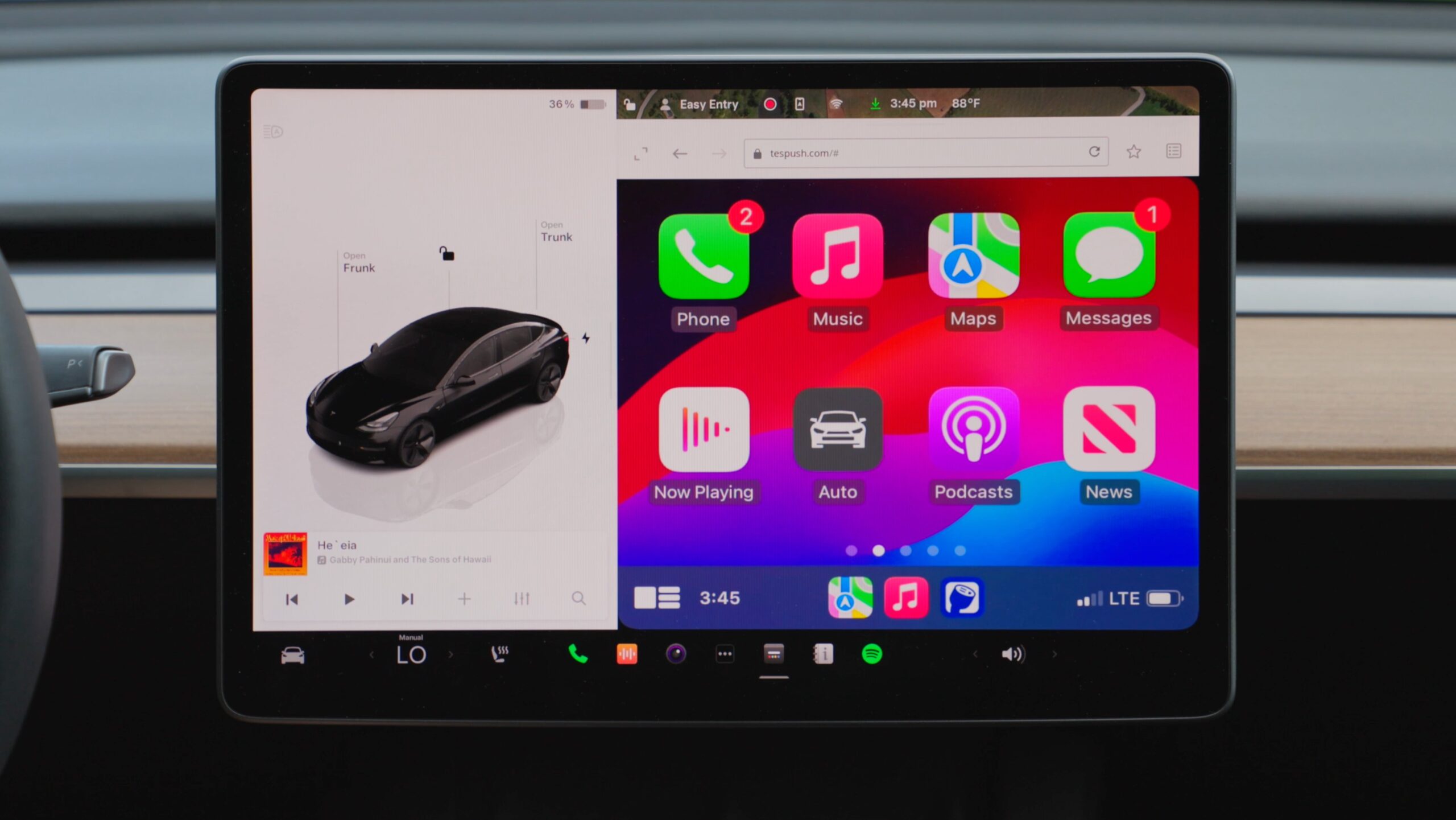
For years, Tesla's steadfast refusal to support Apple CarPlay has been a point of contention for a significant segment of its customer base, creating a stark divide in the premium EV experience. That long-standing corporate stance now appears to be shifting. According to a new report from Bloomberg's Mark Gurman, a renowned Apple insider, Tesla is actively advancing its integration of the popular smartphone projection system. This potential pivot signals a major strategic concession, but early indications suggest the implementation will be uniquely Tesla—limited in scope and fraught with the technical complexities of marrying two fiercely proprietary ecosystems.
A Strategic Shift, But On Tesla's Terms
The move towards CarPlay represents a notable departure from Tesla's philosophy of a closed, vertically integrated software environment. Historically, the company has argued its native operating system offers a superior, more seamless experience tailored specifically for its electric vehicles. However, sustained consumer demand and competitive pressure from other luxury automakers, who almost universally offer CarPlay and Android Auto, have seemingly forced a reevaluation. Gurman's sources indicate the integration is likely to be a "partial" or "limited" version, potentially restricting functionality to core apps like messaging, music, and podcasts while excluding deeper vehicle control or map integration, which Tesla would prefer to keep within its own ecosystem.
Navigating the Technical Minefield
The primary hurdle is not desire, but engineering. Tesla's infotainment system is built on a custom Linux-based platform, while CarPlay is designed to interface with more conventional automotive software architectures. Creating a stable, high-performance bridge between the two without compromising Tesla's signature user interface or security standards is a formidable challenge. Furthermore, Tesla's unconventional portrait-oriented center screen and its reliance on vehicle data for navigation features like battery preconditioning and Supercharger routing complicate a simple plug-and-play adoption. The development work points to a highly customized implementation rather than a standard integration.
This technical tightrope walk underscores a broader industry tension. As vehicles become software-defined platforms, automakers are fiercely protective of the user data and interface real estate that CarPlay and Android Auto inherently command. Tesla's attempt at a hybrid model—offering the convenience of CarPlay while retaining the core functionality of its own system—could become a blueprint for how other EV makers approach third-party integrations in the future. The success or failure of this balance will be closely watched.
For Tesla owners and investors, the implications are multifaceted. Owners, particularly those deeply embedded in the Apple ecosystem, stand to gain significant convenience and access to their preferred apps and interfaces, potentially increasing satisfaction and reducing a common critique. For investors, this move can be seen as Tesla maturing its customer-centric approach, addressing a persistent demand that may help retain and attract buyers in an increasingly crowded EV market. However, it also subtly acknowledges that even Tesla's acclaimed software cannot be all things to all users, marking a new chapter of pragmatic adaptation in the company's journey.