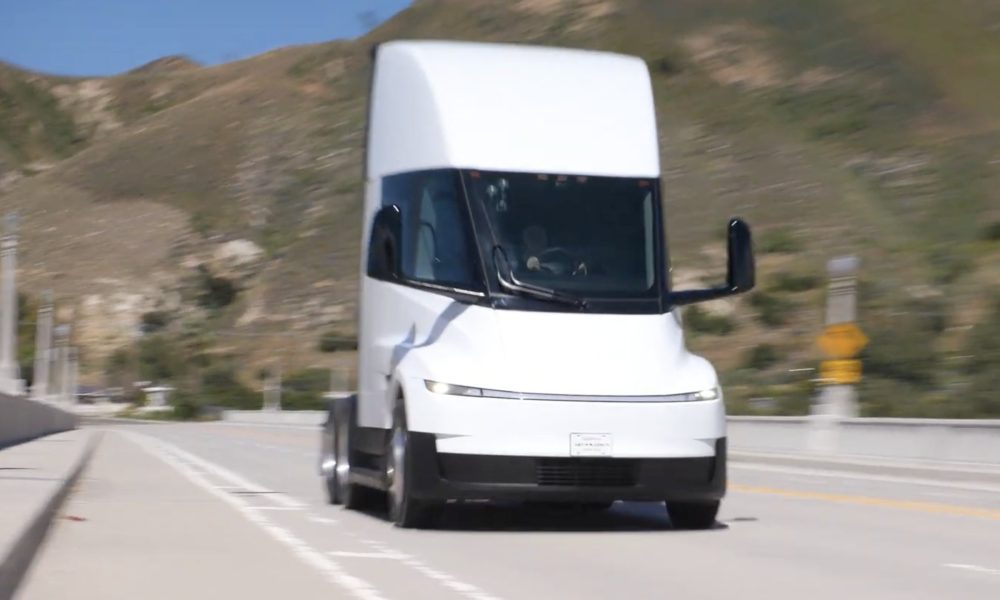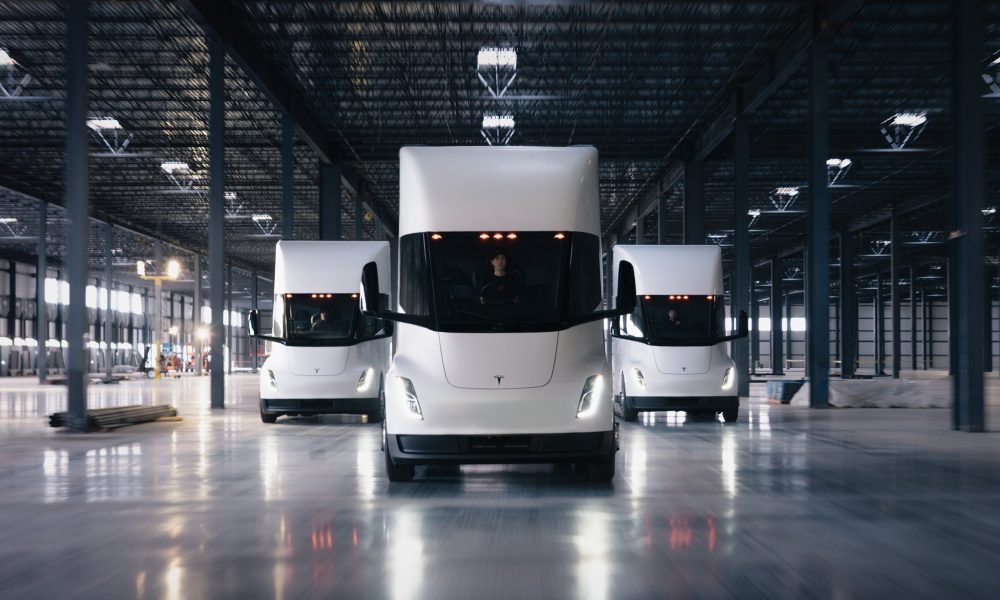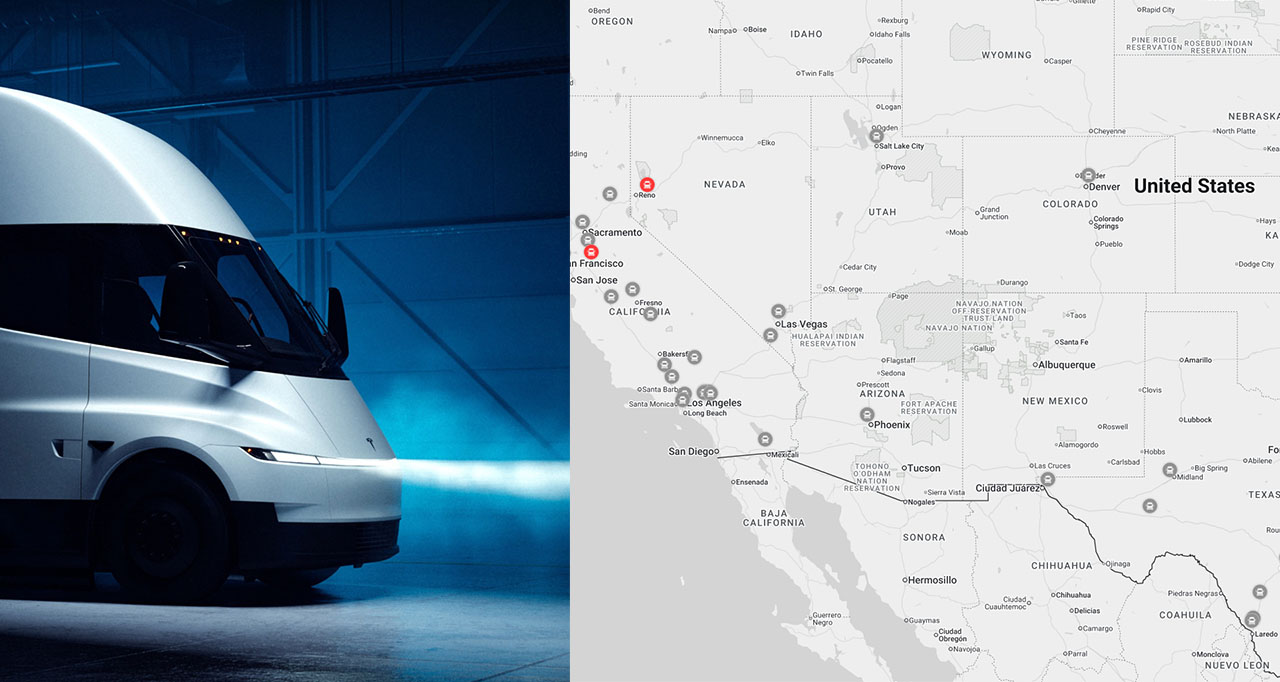
Tesla's vision for an electrified freight future is accelerating from blueprint to reality at a remarkable pace. In a significant move this week, Dan Priestly, head of the Tesla Semi program, unveiled a substantial expansion of the truck's critical refueling network, adding 60 planned locations to its US Megacharger map. This strategic update signals a decisive shift from pilot projects to a scalable, nationwide infrastructure, directly addressing the primary hurdle for long-haul electric trucking: reliable, high-speed charging.
Building the Backbone for Electric Freight
The updated map, shared by Priestly, now charts a course for a comprehensive coast-to-coast network. It details two existing operational stations alongside the six dozen new planned sites. This expansion is not merely about quantity; it's a calculated deployment along major freight corridors like I-5, I-10, I-40, and I-80, effectively creating the arteries for zero-emission logistics. The planned locations span from manufacturing hubs and logistics centers to key interstate junctions, indicating Tesla's focus on real-world route feasibility for fleet operators.
Decoding the Megacharger Advantage
Unlike standard Superchargers, Tesla Semi Megachargers are engineered for the immense energy demands of Class 8 trucks. They are capable of replenishing hundreds of miles of range in under 30 minutes, a critical metric for maintaining tight delivery schedules. This network build-out is a prerequisite for the Semi's success, as it mitigates range anxiety for commercial buyers. The move also positions Tesla's infrastructure as a potential industry standard, similar to the NACS connector victory in the passenger EV market, putting pressure on competitors and charging consortiums to match its scale and strategic vision.
The aggressive timeline implied by this public map update suggests Tesla is preparing for a significant ramp in Semi production and deliveries. For major reservation holders like PepsiCo, which has been running a pilot fleet, this provides the confidence to scale their own operations. It also serves as a powerful marketing tool to secure new fleet orders, demonstrating Tesla's commitment to supporting the vehicle's ecosystem, not just selling the truck itself.
Implications for the Broader Tesla Ecosystem
For Tesla investors, this infrastructure push is a capital-intensive but necessary bet that reinforces the company's long-term, ecosystem-driven strategy. It validates the Semi as a serious growth pillar beyond consumer vehicles. For the energy sector, each Megacharger site represents a massive grid-connected power sink, likely paired with Tesla's Megapack battery storage to manage demand and costs, further integrating its energy and automotive divisions. This network will also serve as a real-world laboratory for ultra-fast charging technology and renewable energy integration at an unprecedented scale.
While timelines for each location's launch remain undisclosed, the publication of this map is a declaration of intent. It transforms the Tesla Semi from a compelling prototype into an imminent, infrastructure-supported reality. The success of this buildout will not only determine the Semi's commercial fate but will also play a pivotal role in defining the pace of decarbonization for the entire trucking industry.