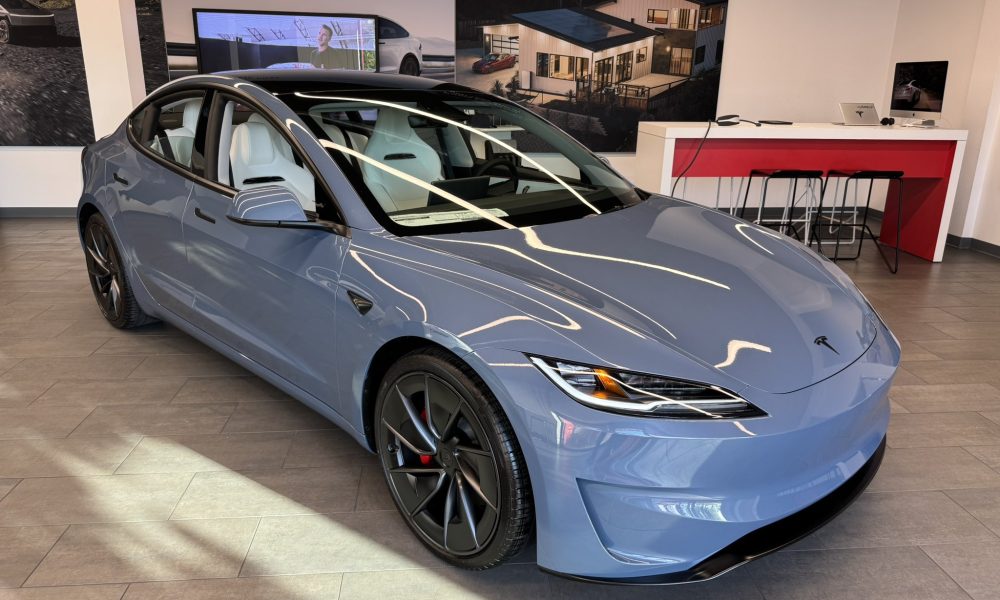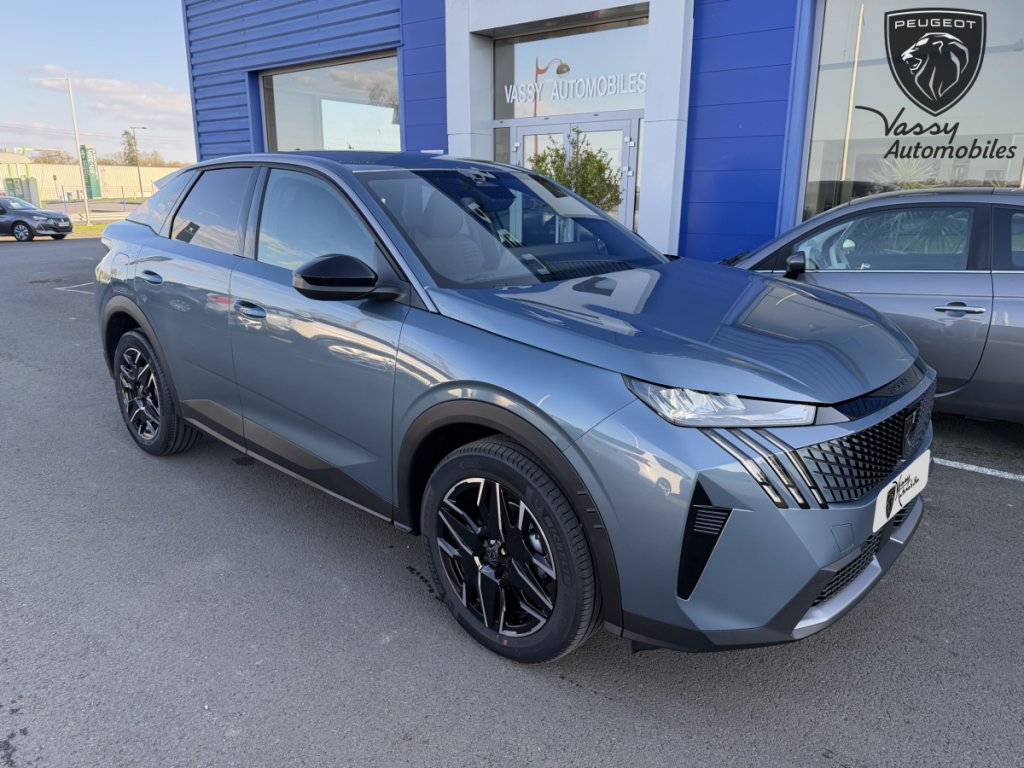
For the high-mileage professional, the weekly ritual of fuel stops is more than an errand; it's a significant and volatile line item in both their budget and their mental load. One sales representative from France's southwest, who routinely clocks 35,000 kilometers annually across a vast territory, has made a switch that has fundamentally altered that calculus. His transition from a Peugeot 3008 to a Tesla electric vehicle hasn't just changed his car—it has erased a decade of anxiety over pump prices and refueling logistics.
The Relentless Grind of the Internal Combustion Commute
For ten years, his workweek was a predictable cycle of long hauls across the Gironde, Charente, and Lot-et-Garonne departments, with a return to Bordeaux every Friday. This routine demanded two hotel nights and, critically, three fuel stops per week. The relationship with diesel prices was intimate and stressful, a constant variable that colleagues with standard commutes could scarcely appreciate. Each geopolitical tremor or refinery issue directly impacted his operational costs, turning the simple act of refueling into a recurring financial uncertainty.
Electrification as a Operational Revolution
Switching to a Tesla, likely a Model 3 or Model Y given their prevalence in European markets, transformed this dynamic. The fundamental shift wasn't merely in propulsion but in energy sourcing and cost predictability. Instead of seeking out the cheapest station on his route, he now plugs in at home overnight or utilizes Tesla's extensive Supercharger network during his travels. The cost per kilometer plummeted, and the link between his mobility budget and the global oil market was decisively broken. The "refueling" event moved from a dedicated stop to something that happens during downtime—sleeping at home or taking a brief rest break.
Beyond Fuel Savings: The Productivity and Comfort Dividend
The benefits extend far beyond the balance sheet. For a professional who "lives in his car," the Tesla's cabin offers a superior mobile office and sanctuary. Features like Autopilot reduce driver fatigue on long, repetitive autoroute stretches, while the silent, instantaneous powertrain and premium interior turn travel time into a more composed, less draining experience. The pre-conditioning capability ensures a perfectly tempered cabin without idling an engine, and the integrated tech suite keeps him connected and on schedule with seamless efficiency.
For Tesla owners and investors, this narrative is a powerful validation of the company's core value proposition beyond environmental benefits. It underscores Tesla's strength in capturing the high-utilization commercial driver—a segment where total cost of ownership and operational reliability are paramount. Every sales rep, regional manager, or consultant who makes this switch represents not just a vehicle sale, but a deep, data-driven endorsement. Their real-world experience in slashing operating costs and enhancing productivity serves as a compelling case study that can accelerate EV adoption in the commercially critical, high-mileage sector, further entrenching Tesla's lead in the premium EV market.