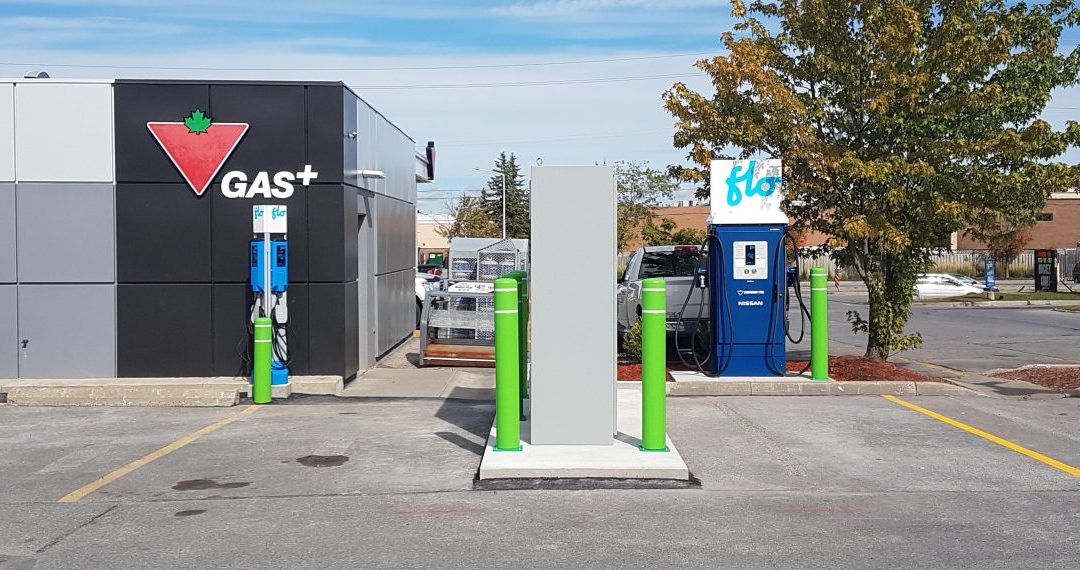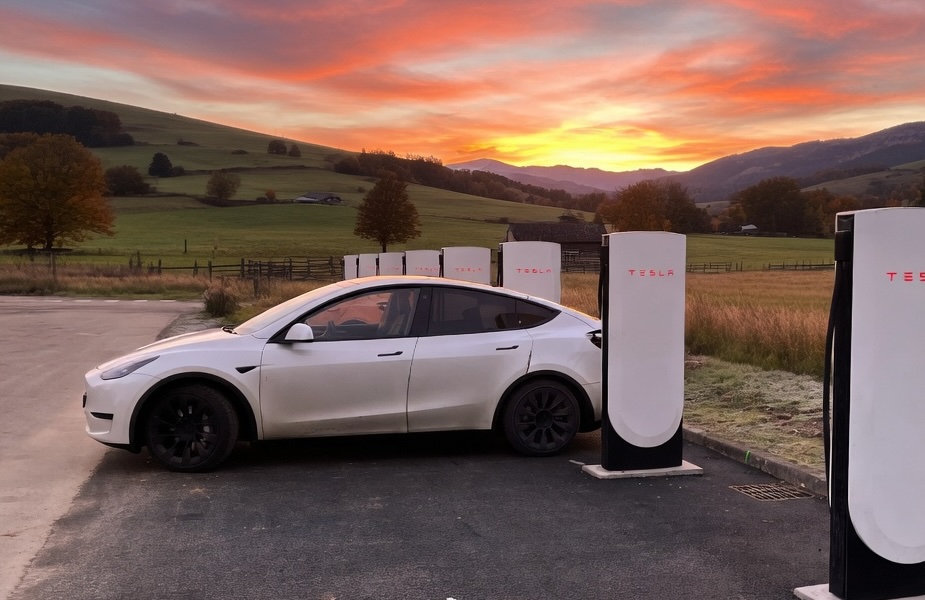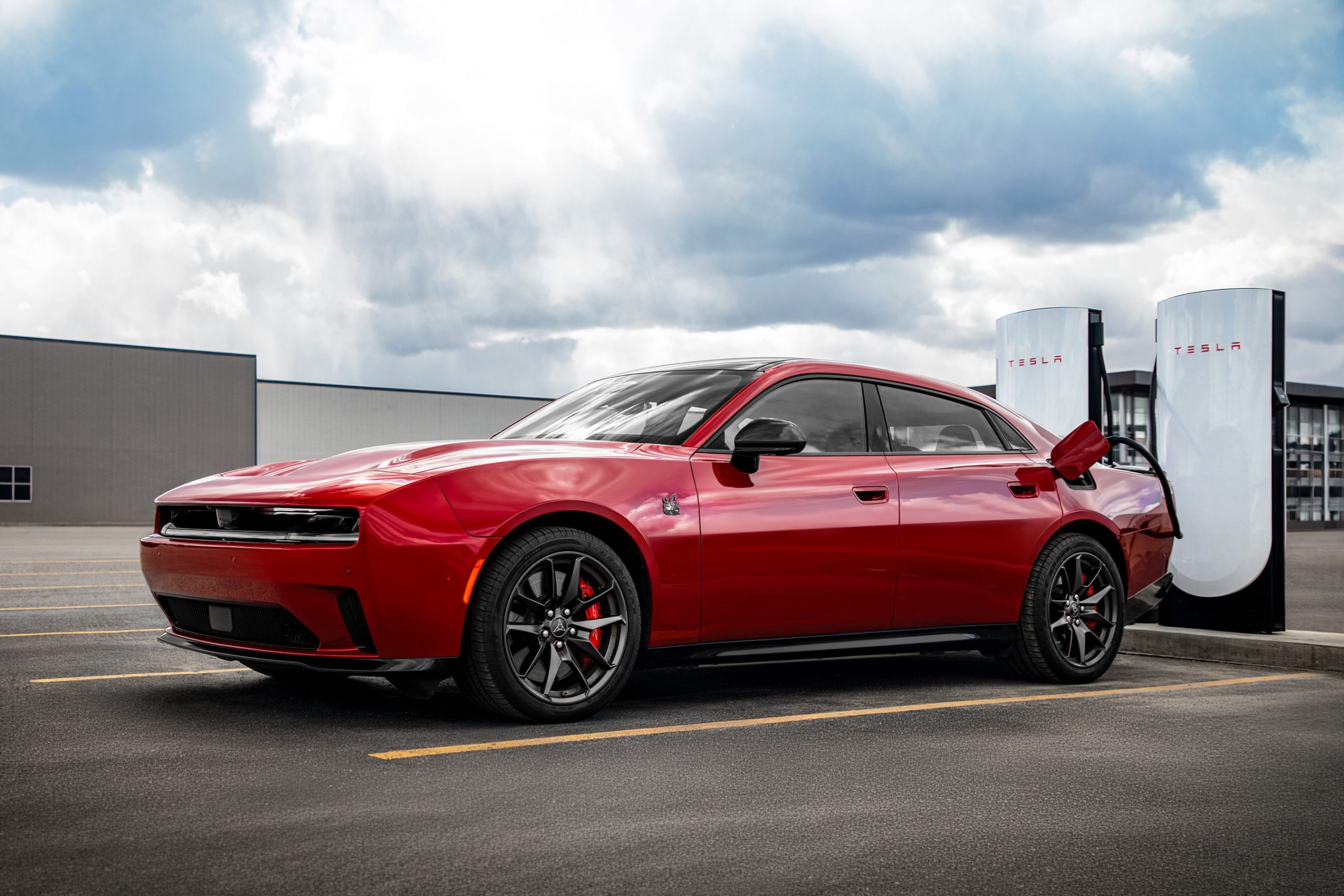
The fragmented North American EV charging landscape is rapidly consolidating into a single, dominant standard. In a move that cements Tesla's Supercharger network as the continent's de facto charging infrastructure, Stellantis has announced its electric vehicles will gain access starting in 2025. This agreement brings the final major holdout among the Detroit automakers into the Tesla charging fold, signaling a near-total industry surrender to the NACS (North American Charging Standard) and transforming Tesla's once-proprietary asset into a universal utility.
From Proprietary Power to Industry Standard
The shift is monumental. Just two years ago, Tesla's connector was its own competitive moat, exclusive to its vehicles. Today, with the Stellantis deal, virtually every major automaker selling EVs in the region—including Ford, GM, Rivian, Volvo, Polestar, and now Stellantis—has committed to the NACS. This mass adoption solves the critical consumer pain point of charging confusion and reliability. For Stellantis brands like Jeep, Ram, Dodge, and Chrysler, which are rolling out key models like the Ram 1500 REV and Jeep Wagoneer S, guaranteed access to Tesla's reliable, widespread network is a significant sales enabler that mitigates past concerns over their own charging ecosystem development.
The Strategic Calculus Behind the Deal
For Stellantis, the decision is a pragmatic pivot. While the company promoted its own IES (Integrated Energy and Charging Solutions) business, the market voted overwhelmingly for the convenience and scale of the Supercharger network. Delaying access would have risked putting their EVs at a severe competitive disadvantage. For Tesla, the benefits are multifaceted: it generates a substantial new revenue stream from non-Tesla charging fees, increases network utilization, and powerfully reinforces its leadership in defining the EV ecosystem. The financial upside is significant, with Morgan Stanley analysts estimating Tesla's charging revenue could grow into a $10-$20 billion business by 2030.
Implications for Tesla Owners and Investors
For current Tesla owners, the expansion necessitates careful watch. While Tesla assures it will continue to prioritize expansion to manage congestion, the influx of vehicles from nearly every other automaker will test peak capacity at popular sites. The silver lining is that the increased revenue directly funds faster network growth, ultimately benefiting all users. For investors, this transition redefines a key Tesla asset. The Supercharger network is no longer just a cost of selling cars; it is evolving into a profitable, high-margin software and services platform with a captive, industry-wide customer base. This strategic win solidifies Tesla's infrastructure moat and creates a predictable, recurring revenue model that complements its vehicle business, enhancing the company's long-term investment thesis as both an automaker and an energy leader.