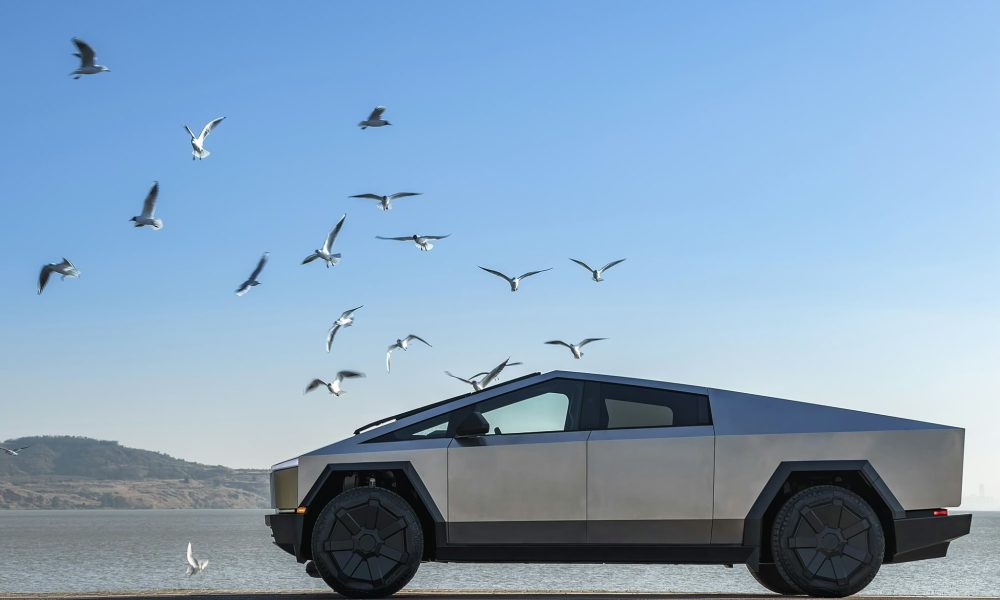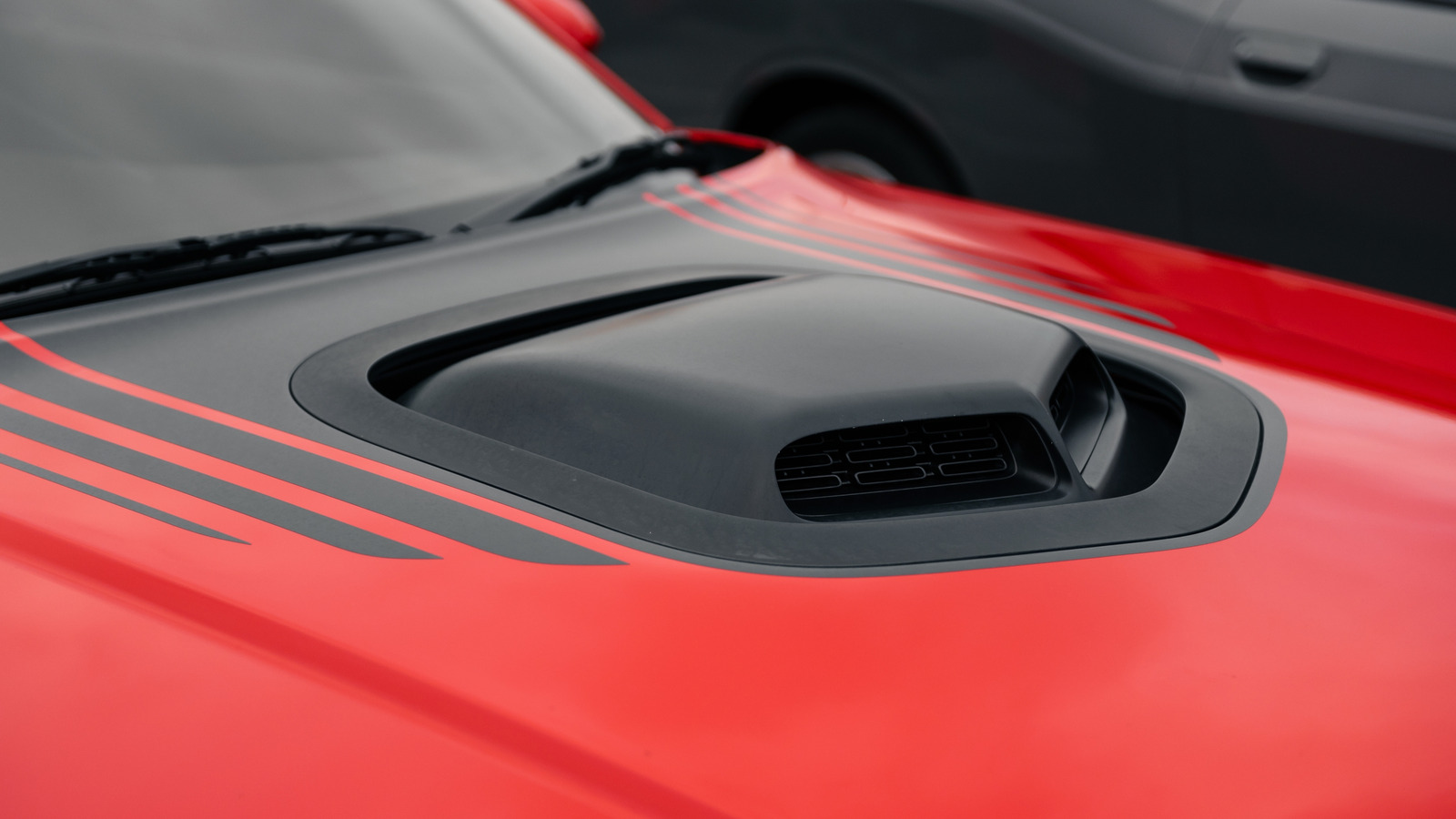
For decades, the automotive industry's choice for body panels was a foregone conclusion: steel. Today, as manufacturers like Tesla push the boundaries of efficiency and performance, the battle under the bonnet—or more precisely, forming the bonnet itself—has intensified. The shift from traditional steel to lightweight aluminum hoods represents a fundamental engineering trade-off, weighing cost, durability, safety, and the relentless pursuit of range. For the discerning EV owner, the material over your motor matters more than you might think.
The Weight War: Aluminum's Range-Boosting Advantage
The core appeal of aluminum is its featherweight champion status. Aluminum hoods can be 40-50% lighter than their steel counterparts. In the world of electric vehicles, where every kilogram directly impacts battery consumption, this is a critical victory. Reducing mass allows for greater efficiency and extended range, or it can free up weight allocation for larger battery packs or additional features without penalty. This philosophy of lightweighting is central to Tesla's design, evident in their extensive use of aluminum alloys. However, this advantage comes at a literal cost: aluminum is more expensive to source and form than steel, a premium often passed through the vehicle's price tag or repair bill.
Durability & Repair: Steel's Practical Fortitude
When it comes to real-world resilience and owner costs, steel fights back. Traditional steel hoods are generally more ductile and easier to repair than aluminum. A minor dent in a steel panel can often be pulled and smoothed with relative affordability. Aluminum, while strong, has different properties; it can be more prone to cracking when bent back into shape, frequently requiring complete panel replacement for even moderate damage. This translates to potentially higher insurance premiums and repair costs for vehicles with aluminum bodywork. Furthermore, steel is less susceptible to galvanic corrosion, a specific concern where dissimilar metals meet, though modern treatments mitigate this for both materials.
The safety dynamics are nuanced. Both materials are engineered to meet stringent crash standards, but they behave differently. Steel's high strength and ability to absorb kinetic energy through controlled deformation have long made it a safety staple. Modern aluminum alloys, however, can be engineered for exceptional strength-to-weight ratios and are crucial in designing crumple zones that manage impact forces while minimizing weight penalty. The choice isn't about one being "safer," but about how each material is integrated into the vehicle's overall safety architecture to protect occupants.
Implications for Tesla Owners and Investors
For Tesla owners, the material of your hood is a tangible piece of the company's efficiency-first engineering ethos. The choice for aluminum underscores a commitment to maximizing performance and range, core brand promises. Owners should, however, be cognizant of the potential for costlier collision repairs. For investors, Tesla's material science strategy is a key competitive lever. Mastery in integrating lighter materials like aluminum—and potentially future composites—directly supports superior vehicle metrics and margins. It reflects a long-term bet that consumer preference will side with advanced engineering and efficiency, even if it challenges traditional auto repair paradigms. As the EV landscape grows fiercer, this commitment to lightweight construction remains a fundamental pillar of Tesla's technological and economic roadmap.