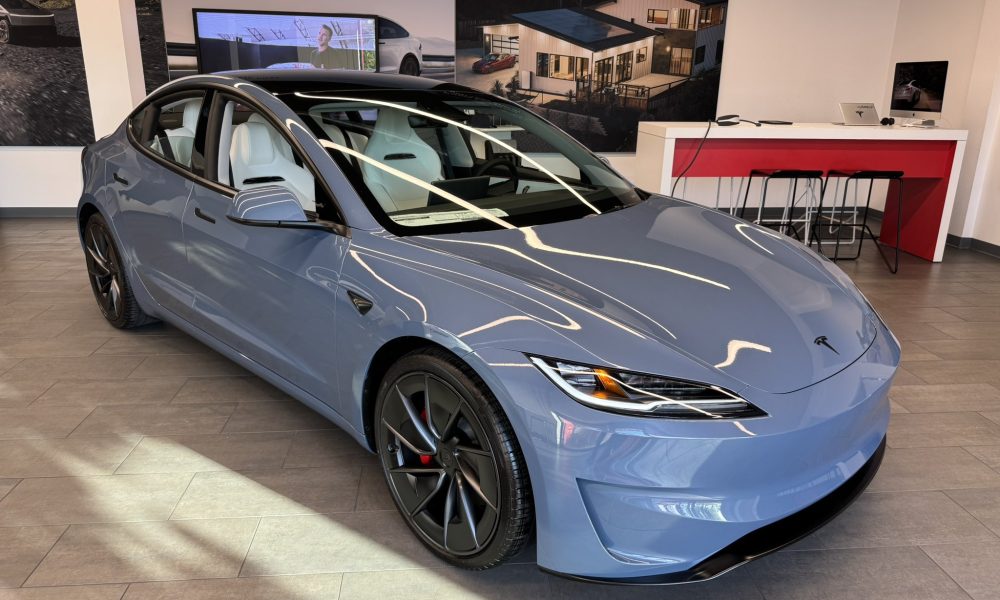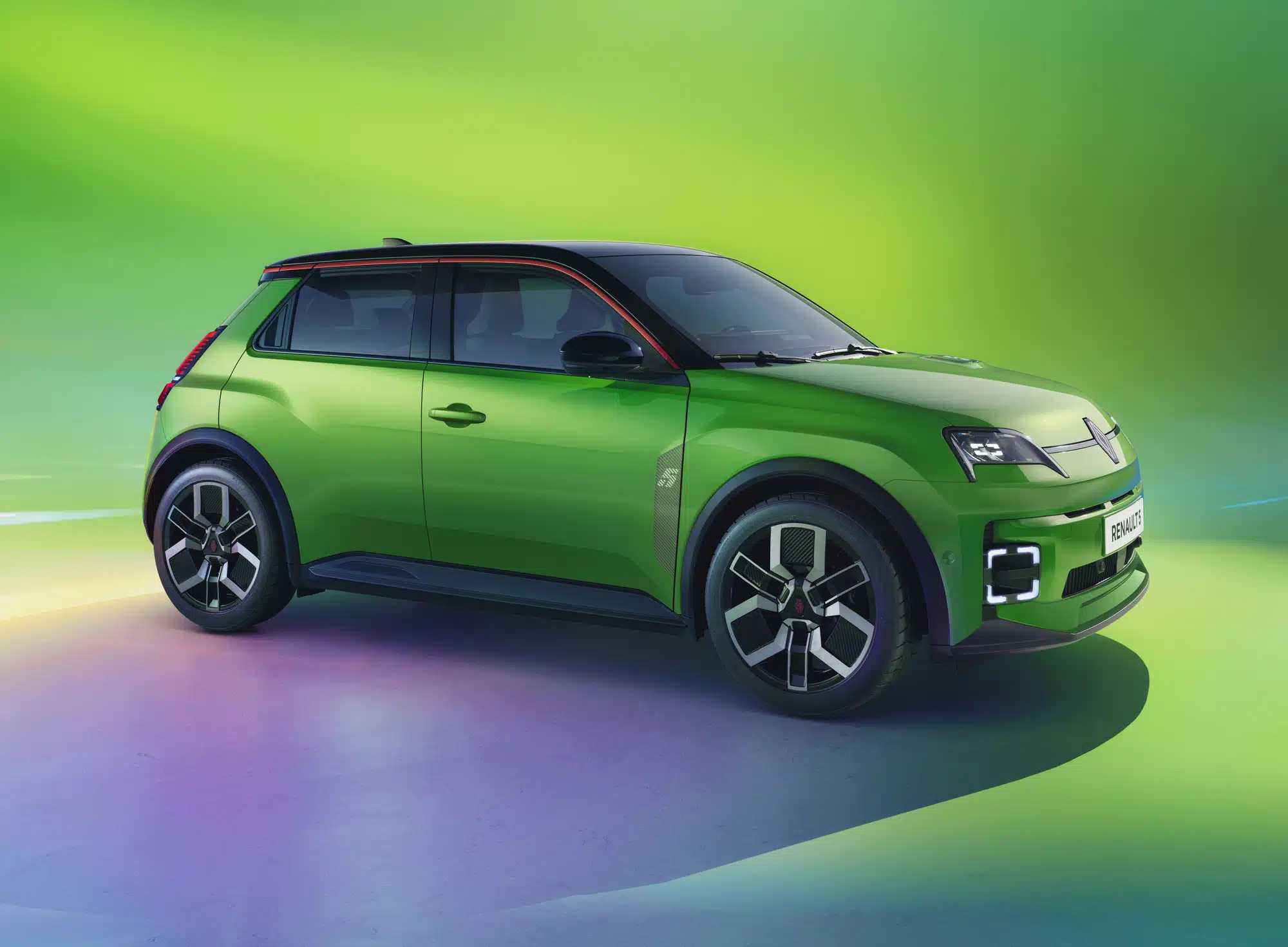
Choosing your next electric vehicle is often framed as a simple calculation of range and price, but for many, it evolves into a deeply personal quest weighing philosophy against pragmatism. After a grueling four-month deliberation between the charming, retro-futuristic Renault 5 E-Tech and the benchmark-setting Tesla Model 3, my decision came down to more than just specs. It was a choice between two distinct visions for the future of driving—one rooted in familiar, affordable European design, and the other in a relentless, software-defined American tech ecosystem.
The Allure of Affordability vs. The Promise of Ecosystem
My journey began with the undeniable appeal of the Renault 5 E-Tech. Its design is a masterclass in nostalgic EV packaging, promising a compelling blend of style and accessible urban mobility. The estimated starting price, significantly lower than Tesla's entry point, was a powerful draw. However, deep research revealed the trade-off: a maximum range around 248 miles (400 km) under ideal conditions and a charging network that, while growing, lacks the seamless, continent-wide integration of Tesla's. The Model 3, by contrast, presented itself not just as a car, but as a key to the Tesla Supercharger network—a proven, reliable infrastructure that eliminates a major layer of EV ownership anxiety.
The Deciding Factor: Software as the Ultimate Feature
Test drives cemented the divergence. The Renault 5 is a delightful, polished electric vehicle that excels at being a great car. The Tesla Model 3 felt like a product from a different decade. Its true advantage lies in its core computer and over-the-air software updates. The responsiveness of the infotainment system, the refinement of its driver-assistance features, and the potential for the car to improve fundamentally overnight shifted my perspective. Where the Renault's features are largely fixed at purchase, the Tesla's software-defined architecture offers a dynamic ownership experience, ensuring the vehicle evolves.
This isn't to dismiss the Renault 5, which will be a perfect fit for countless drivers prioritizing cost and character for daily commutes. Yet, for my needs involving frequent longer trips and a desire for a forward-looking tech platform, the Tesla's integrated approach proved decisive. The value of time saved by reliable, fast charging and the long-term utility of an updatable vehicle ultimately outweighed the initial price savings.
Implications for Tesla Owners and Investors
My saga underscores the shifting competitive landscape. The arrival of compelling EVs like the Renault 5 validates the market but also highlights Tesla's enduring moats: its proprietary Supercharger network and industry-leading software stack. For owners, this means continued access to the most robust charging system and a vehicle that should retain functionality and value better than most. For investors, it reinforces that while competition on price and design is intensifying, Tesla's deep integration of hardware, software, and energy infrastructure remains a uniquely defensible advantage. The choice is no longer just about the car; it's about choosing the ecosystem it unlocks.