The clock is ticking for Tesla's most ambitious software project. The National Highway Traffic Safety Administration (NHTSA) has set a firm deadline of March 9, 2026, for Tesla to surrender a comprehensive trove of crash data related to its Full Self-Driving (FSD) system. This demand, part of an ongoing and expansive probe, represents a critical juncture for the electric vehicle giant, forcing unprecedented transparency around the performance and safety of its driver-assistance technology.
A Deepening Investigation with High Stakes
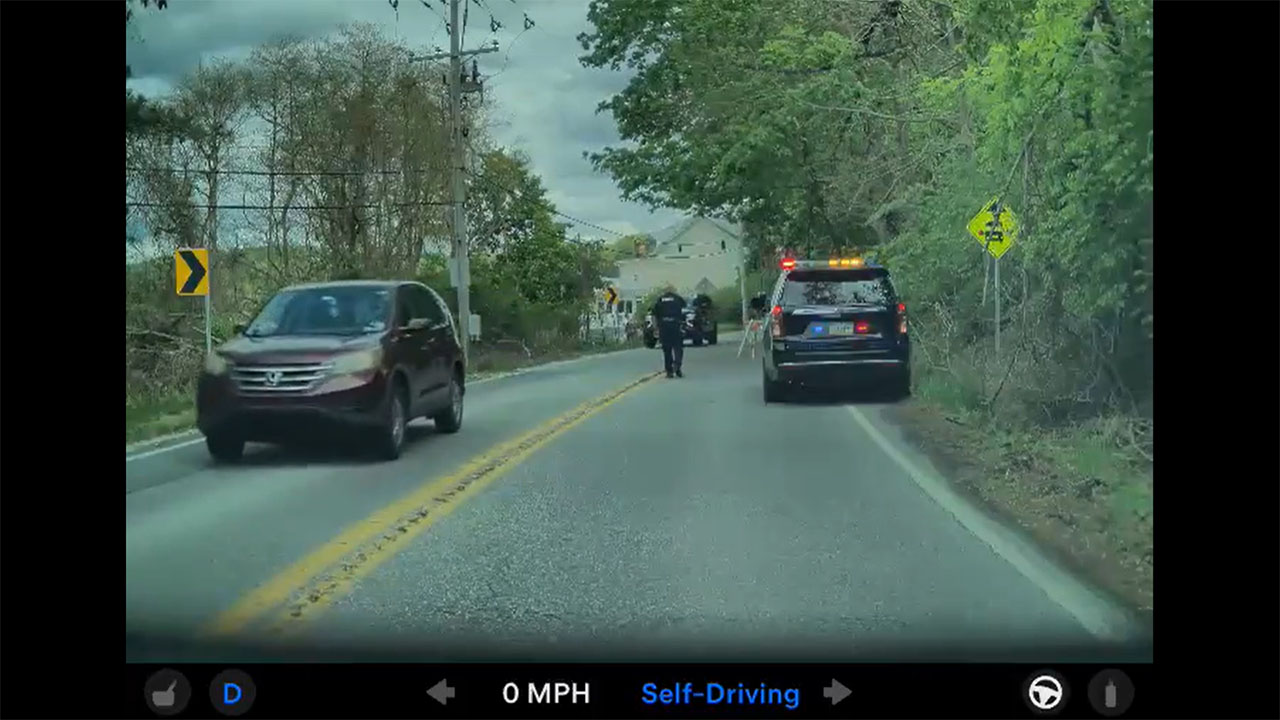
The NHTSA's latest move is not an isolated request but a significant escalation of its Engineering Analysis opened in 2021. Initially examining a series of incidents where Teslas on Autopilot struck stationary emergency vehicles, the investigation has broadened to encompass 830 separate crashes. The agency is now scrutinizing whether the entire FSD Beta suite—including features like automatic lane changes and responses to traffic signals—may introduce an unreasonable safety risk. This March deadline, granted after a prior extension, compels Tesla to provide granular data on every relevant incident, offering regulators their clearest picture yet of FSD's real-world performance.
The Data Dilemma: Transparency vs. Proprietary Secrets
For Tesla, complying with the NHTSA's order is a double-edged sword. On one hand, full cooperation is legally mandated and could help demonstrate the system's improving safety metrics. On the other, it requires divulging vast amounts of sensitive information, including vehicle telemetry, camera footage, and software version details that Tesla guards closely. The analysis of this data will be pivotal. Regulators will be looking for patterns: specific scenarios where FSD may disengage unexpectedly, misinterpret road geometries, or fail to detect obstacles. The findings could validate Tesla's iterative development approach or reveal systemic flaws requiring fundamental changes.
The outcome of this probe extends far beyond regulatory compliance. A damning assessment from the NHTSA could lead to a forced recall of the FSD software, an event that would be both a logistical nightmare and a severe blow to Tesla's technological prestige. Conversely, data that shows consistent improvement and a strong safety record could bolster Tesla's argument for broader regulatory approval of more advanced autonomous functions. The entire EV and automated driving industry is watching closely, as the precedent set here will influence how emerging technologies are governed.
For Tesla owners and investors, the March 9 submission is a watershed moment. Owners of vehicles equipped with FSD should pay close attention to the NHTSA's subsequent findings, as they will directly inform the system's capabilities, limitations, and legal standing. Investors must weigh the potential for regulatory headwinds against Tesla's long-term bet on autonomy as a primary revenue stream. A favorable result could accelerate Tesla's software-driven profit margins, while significant restrictions could necessitate a costly strategic pivot. The data delivered next March will not just answer regulators' questions—it will likely chart the course for Tesla's autonomous future.