The regulatory scrutiny surrounding Tesla's most advanced driver-assistance system has intensified dramatically. The National Highway Traffic Traffic Safety Administration (NHTSA) has officially escalated its long-running investigation into Tesla's Full Self-Driving (Supervised) software, upgrading its preliminary evaluation to a more rigorous Engineering Analysis. This critical procedural step, often a precursor to a potential recall, signals the agency's deepening concern over the system's performance in specific, high-risk conditions, particularly its ability to detect and respond to low-visibility scenarios.
From Probe to Analysis: A Formal Escalation
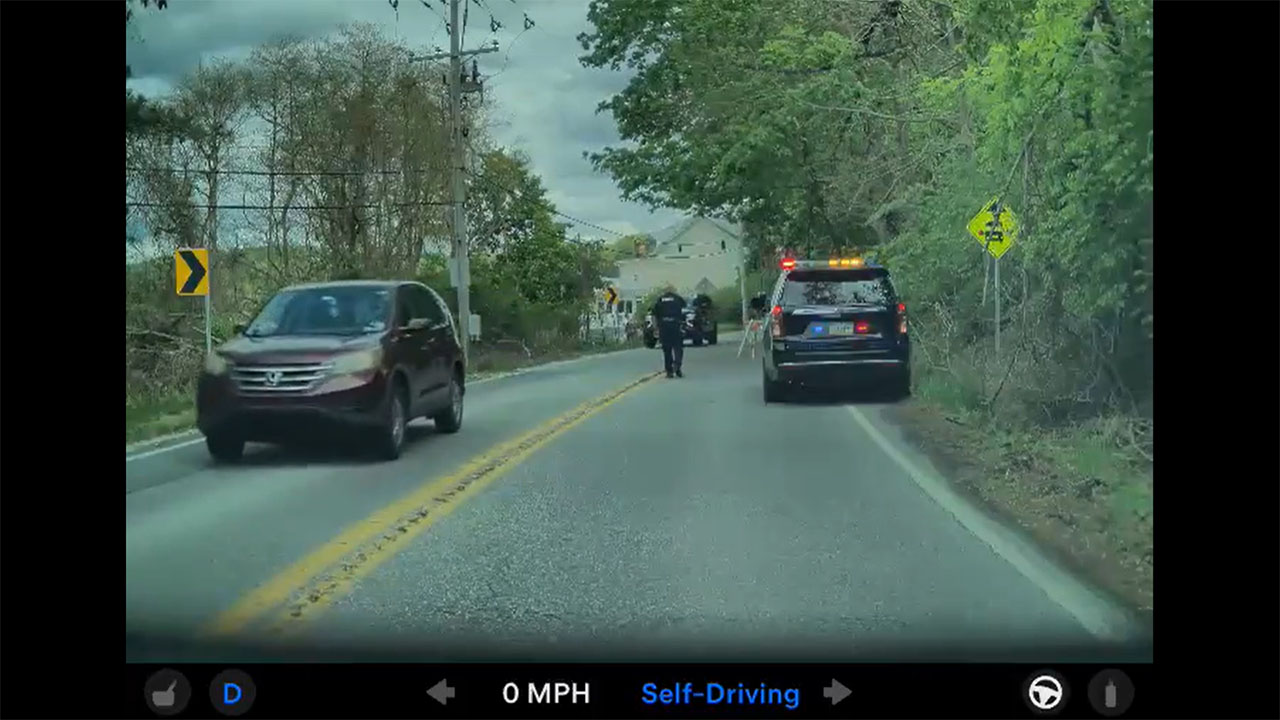
The NHTSA's Office of Defects Investigation (ODI) initiated its preliminary evaluation in August 2021, focusing on 11 incidents where Tesla vehicles operating on Autopilot or FSD collided with stationary first-responder vehicles. That initial probe has now ballooned. The engineering analysis will encompass a far broader set of 467 collision incidents and will scrutinize an estimated 830,000 Tesla vehicles equipped with the FSD Beta software. This formal phase grants investigators greater authority to demand data, testing procedures, and detailed engineering explanations from Tesla, moving from observation to in-depth technical dissection.
The Core Concern: Performance in Rain, Fog, and Glare
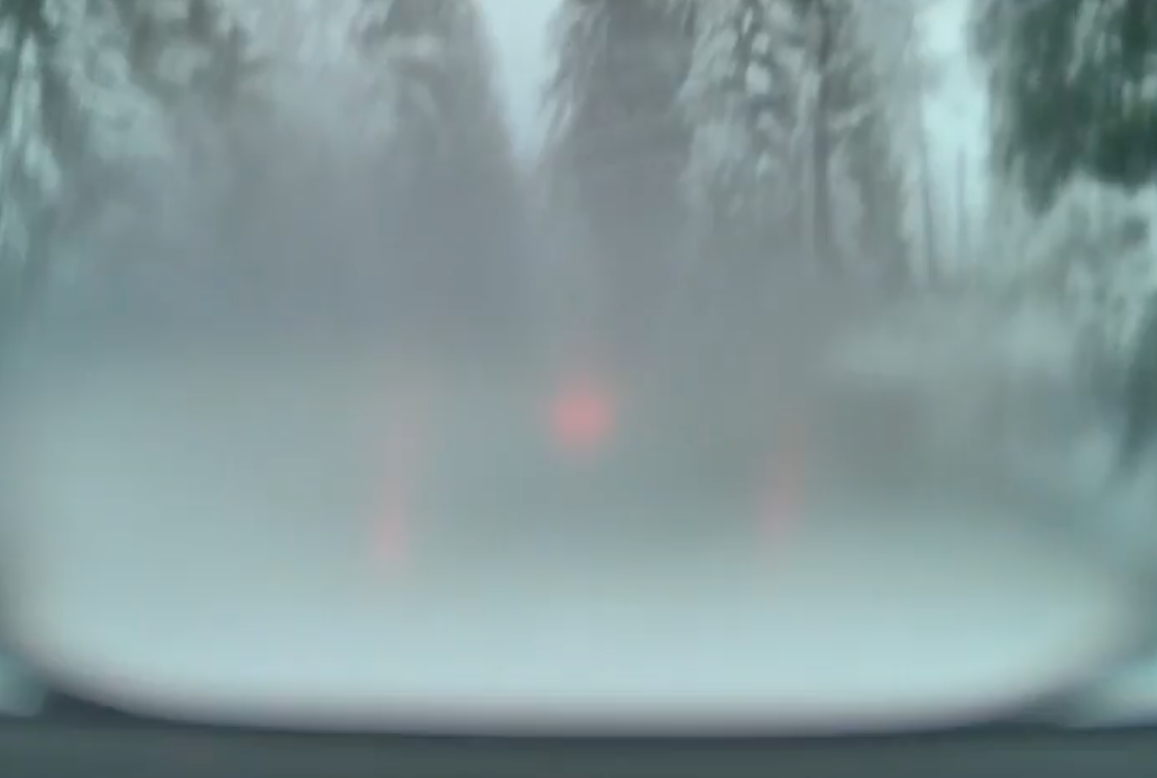
Central to the NHTSA's escalated inquiry is the system's behavior in compromised visual environments. The agency's document cites specific worries about low-light, dawn, dusk, and inclement weather conditions like rain and fog. A key question is whether Tesla's camera-centric "Tesla Vision" architecture—which lacks LiDAR or forward-facing radar in newer models—can reliably perceive hazards when human drivers would also struggle. The analysis will examine if FSD's operational design domain, or the conditions under which it is intended to function, is inadequately limited, potentially allowing activation in situations where its sensors are impaired.
This focus strikes at a fundamental challenge for all autonomous and assisted-driving systems. While Tesla has collected billions of miles of real-world data, regulators are now demanding proof that the system's object detection and collision avoidance algorithms are robust enough not just in ideal California sunshine, but in a sudden Midwestern downpour or blinding coastal glare. The outcome of this analysis could influence the entire electric vehicle industry's approach to sensor suites and system validation.
Implications for Tesla's Path and Public Perception
For Tesla, this escalation represents a significant regulatory and public relations hurdle as it continues to widely deploy and refine its FSD technology. A negative finding from the NHTSA could force a substantial software recall or mandatory update that alters the system's capabilities or limits its use. More broadly, it fuels an ongoing debate about the safety marketing of advanced driver-assistance systems and whether the name "Full Self-Driving" creates unrealistic expectations for consumers. Tesla maintains that FSD (Supervised) is a Level 2 system requiring constant driver attention, but regulators are scrutinizing the gap between driver understanding and system performance.
For Tesla owners and investors, the NHTSA's move introduces a new layer of uncertainty. Owners of vehicles with FSD capability should anticipate increased scrutiny on their use of the system and potentially more conservative software updates as Tesla works with regulators. Investors must watch for any impact on Tesla's ambitious timeline for achieving higher levels of autonomy, a key part of the company's long-term valuation thesis. The engineering analysis will be a protracted process, but its conclusions will profoundly shape the regulatory landscape for driver-assistance technology and define the near-term evolution of what remains Tesla's most controversial and ambitious feature.