In a characteristically cryptic yet bold social media post, Tesla CEO Elon Musk has reignited the autonomous vehicle race with a definitive promise: a $30,000 or less "Cybercab" will be delivered before the end of 2027. The declaration came in response to a lighthearted, AI-generated meme but carries profound implications for Tesla's future, coinciding with reports that the first prototype unit has been built at the company's Giga Texas facility. This move signals Tesla's aggressive pivot from simply selling electric vehicles to operating a fully autonomous ride-hailing network, a cornerstone of its long-term valuation thesis.
The Meme That Launched a Promise
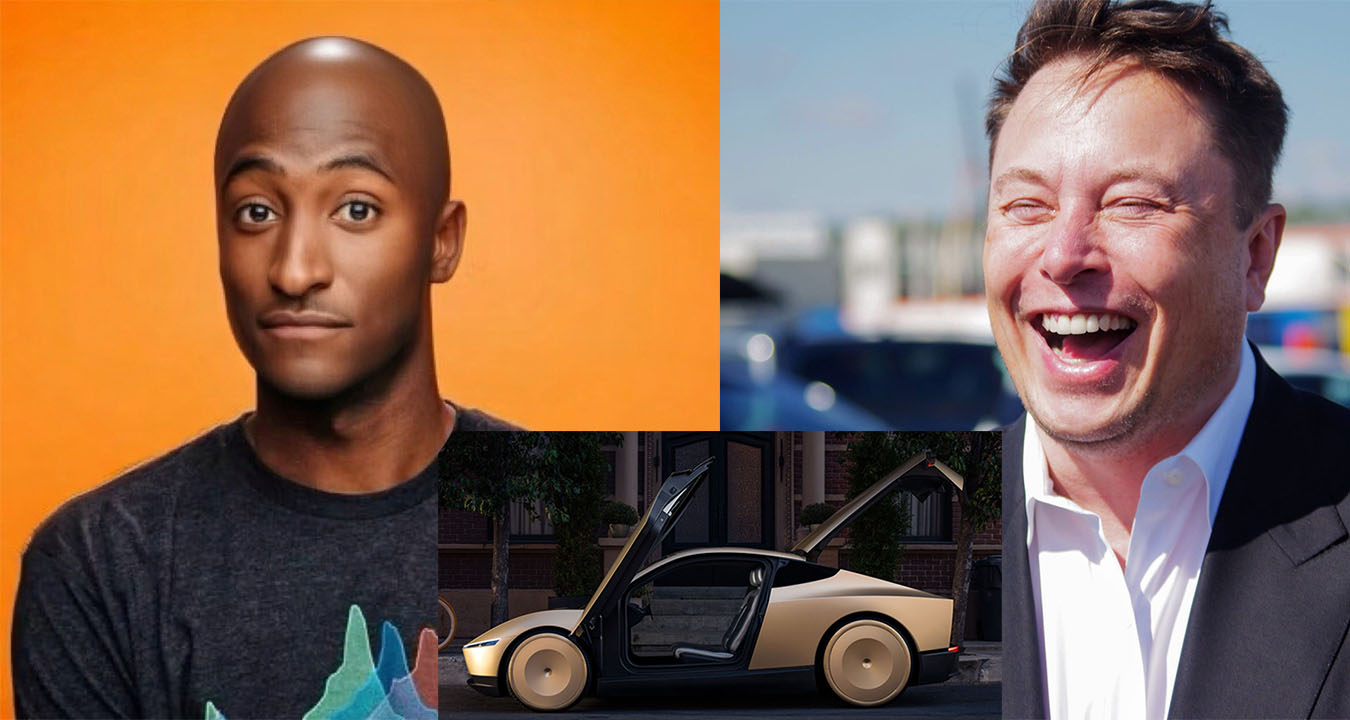
The promise emerged from the often-unpredictable arena of social media. Musk replied "Gonna happen :D" to a post from investor Omar Qazi featuring an altered image of popular tech reviewer Marques Brownlee (MKBHD). While the context was playful, the message was dead serious. It directly addressed the long-anticipated, affordable Tesla robotaxi, now officially dubbed the Cybercab. This public commitment, tied to a specific price point and timeline, transforms the project from a visionary concept into a tangible corporate goal with a ticking clock. The immediate viral spread of memes underscores the intense public and investor fascination with Tesla's autonomy ambitions.
From Giga Texas Prototype to Production Reality
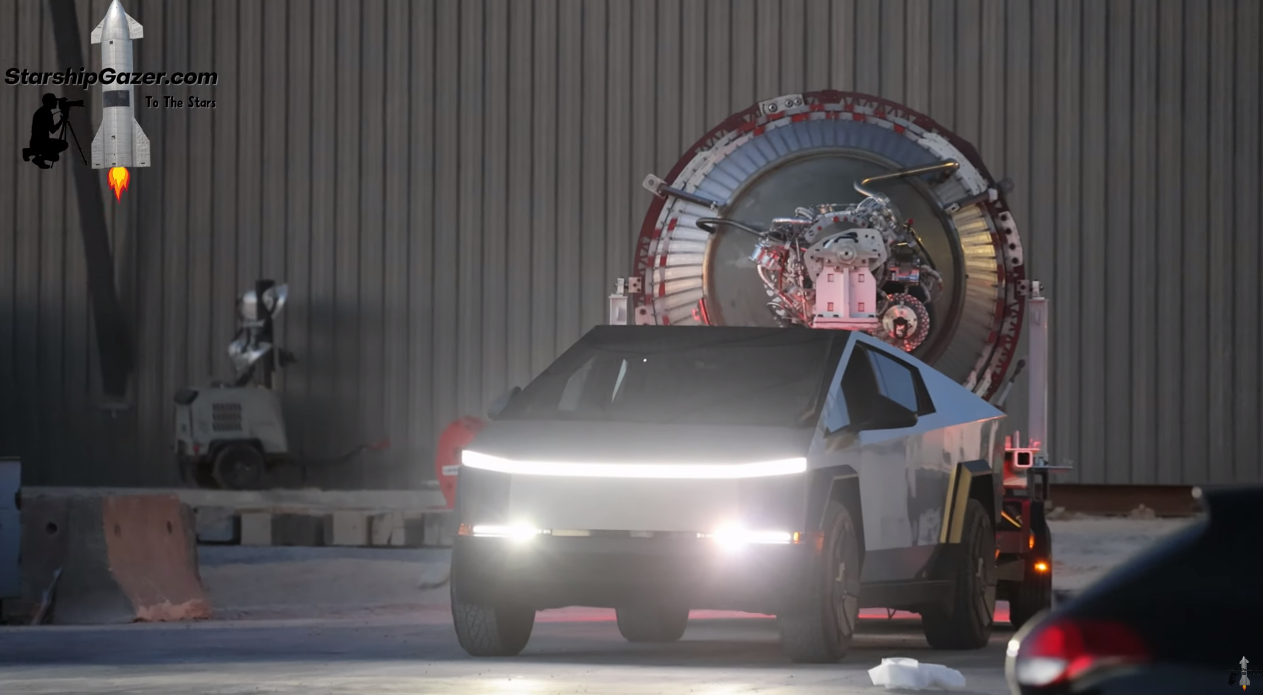
Adding concrete weight to Musk's online pledge is the reported milestone at Giga Texas. According to sources, the first Cybercab prototype has been produced at the Austin-based megafactory. This is a critical step in Tesla's "unboxed" manufacturing strategy, which aims to radically reduce assembly complexity and cost. Building the initial unit allows Tesla's engineering teams to begin rigorous real-world testing, validation, and refinement of the vehicle's dedicated autonomous driving hardware and software. The location is also strategic, as Texas has emerged as a hub for Tesla's most advanced manufacturing and technological development.
The Stakes for Tesla's Autonomous Future
The sub-$30,000 price target is not arbitrary; it is a calculated gambit to achieve mass-market viability for a service intended to undercut traditional ride-hailing and personal car ownership. For the Cybercab to succeed, it must be economically feasible to manufacture at scale and operate profitably within Tesla's planned network. This hinges entirely on the maturation and regulatory approval of Tesla's Full Self-Driving (FSD) software. The Cybercab is designed as a purpose-built vehicle without a steering wheel or pedals, meaning its entire value proposition—and Tesla's promised August 8th unveil—is predicated on achieving true, geofenced Level 4 autonomy.
For Tesla owners and investors, the implications are twofold. Success would unlock an entirely new, high-margin revenue stream from the ride-hailing network, potentially justifying Tesla's premium market valuation. For owners, it could offer an opportunity to generate income from their personal Tesla vehicles by adding them to the "Tesla Network," as previously suggested by Musk. However, the 2027 timeline sets a high bar. It pressures Tesla to solve monumental challenges in AI, regulatory approval, and mass manufacturing simultaneously. Delays or technological hurdles could impact investor confidence, while success would fundamentally disrupt the automotive and transportation industries, cementing Tesla's transition from a carmaker to a mobility and AI company.